

Why understanding your limits makes you a safer and better rider.
Subscribe to our Instagram Channel for instant news & updates!
In motorcycling, confidence is essential. Without it, riding becomes stressful, hesitant, and unsafe. However, there is a fine line between confidence and overconfidence, and many riders cross it without realizing.
While confidence helps riders stay calm and in control, overconfidence often leads to poor decisions. Understanding the difference between the two is crucial for improving skill, safety, and long-term enjoyment on the road.
What Real Confidence Looks Like
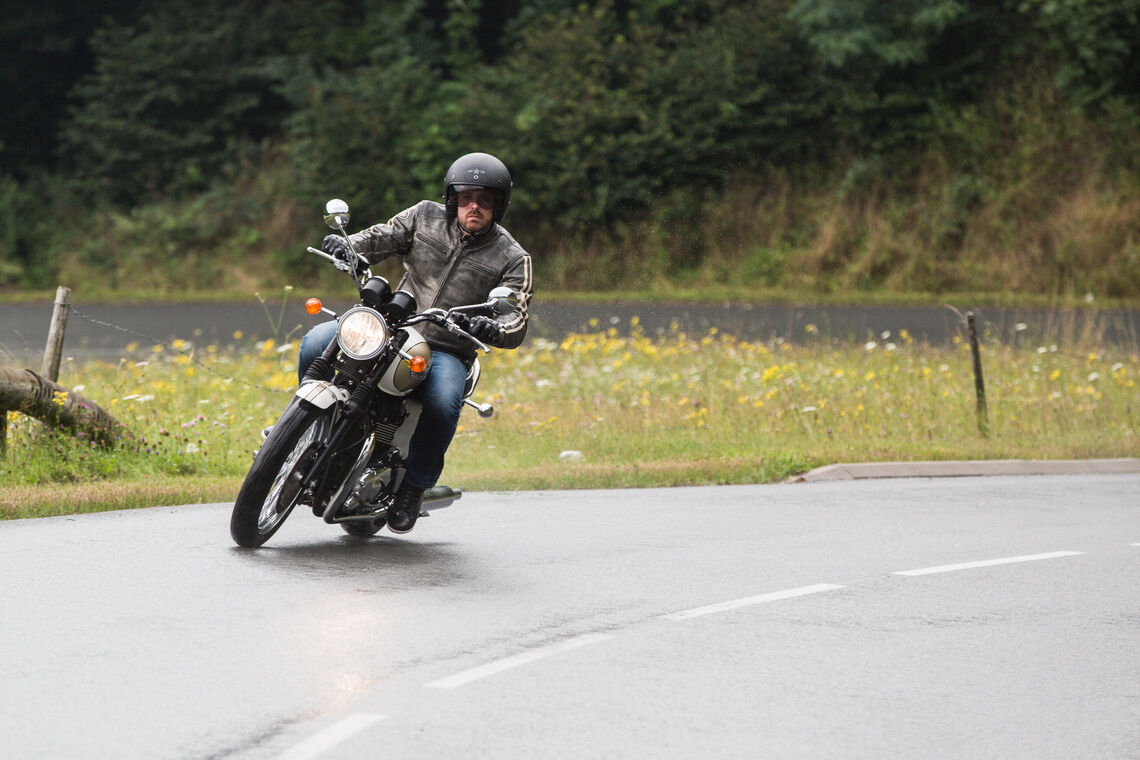
True confidence on a motorcycle comes from experience, practice, and understanding your bike. Confident riders know what they can and cannot do, and they ride within those limits.
They are smooth on the throttle, patient with braking, and comfortable adjusting their speed based on road conditions. Confidence is quiet. It does not need to be proven, and it does not push the rider to take unnecessary risks. Most importantly, confident riders respect their surroundings, their motorcycle, and their own skill level.

What Overconfidence Looks Like
Overconfidence often appears when a rider feels comfortable but lacks enough experience. This can happen after upgrading to a more powerful bike or riding without incidents for a long time.
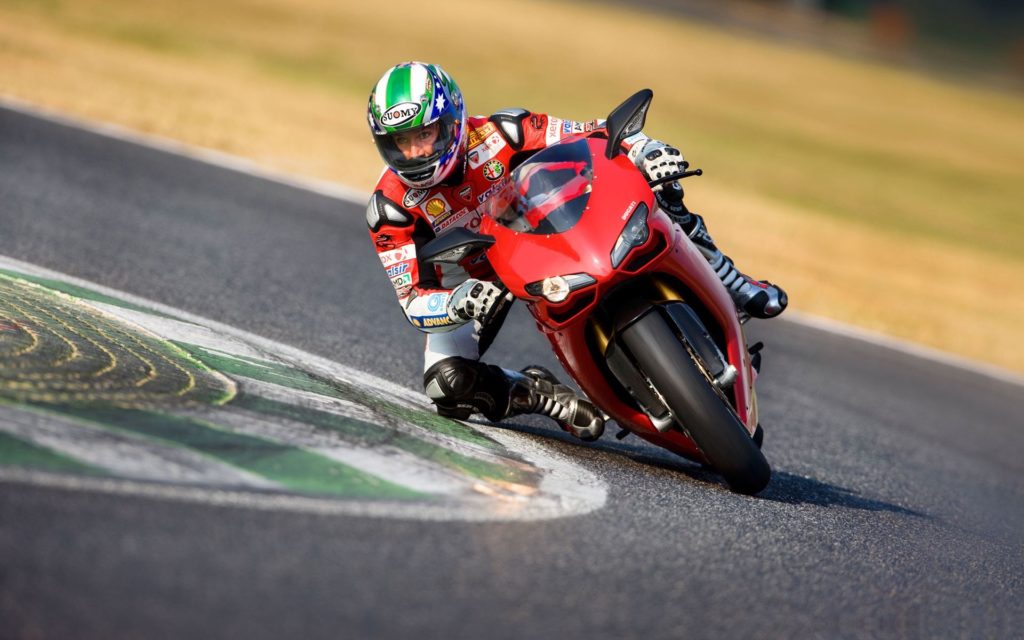
Overconfident riders may enter corners too fast, brake too late, or rely on the motorcycle’s technology to save them. They often believe skill equals speed and assume they can handle any situation without consequences. Unlike confidence, overconfidence is loud. It encourages pushing limits without fully understanding them.
Why Overconfidence Is More Dangerous Than Lack of Skill
Lack of skill can be improved with practice and learning. Overconfidence, however, removes the motivation to improve. Riders who believe they already know enough are less likely to train, learn, or reflect on mistakes.
This mindset increases the risk of crashes, especially in unexpected situations such as wet roads, poor visibility, or sudden obstacles. Overconfidence narrows awareness and reduces reaction time when things go wrong.

How to Build Confidence Without Becoming Overconfident
Healthy confidence grows from honest self-assessment. Riders should regularly evaluate their riding, learn from close calls, and remain open to improvement.
Practicing braking, cornering, and slow-speed control builds real skill. Riding at a pace that allows room for mistakes also helps develop control without unnecessary risk. Confidence comes from preparation. Overconfidence comes from assumptions.
Why Staying Within Your Limits Makes You a Better Rider
Riding within your limits does not mean riding slowly. It means riding with awareness and control. Riders who respect their limits tend to be smoother, safer, and more consistent.
They are better at adapting to changing road conditions and are less likely to panic when something unexpected happens. Over time, this approach naturally leads to improved skill and confidence.
Conclusion
Confidence makes riding enjoyable and controlled. Overconfidence turns riding into a gamble. The key difference lies in awareness. Confident riders know their limits and respect them. Overconfident riders ignore them. By focusing on skill development, self-awareness, and continuous learning, riders can enjoy the road safely while becoming better motorcyclists over time.














Facebook
Instagram
X (Twitter)
YouTube
LinkedIn
RSS