

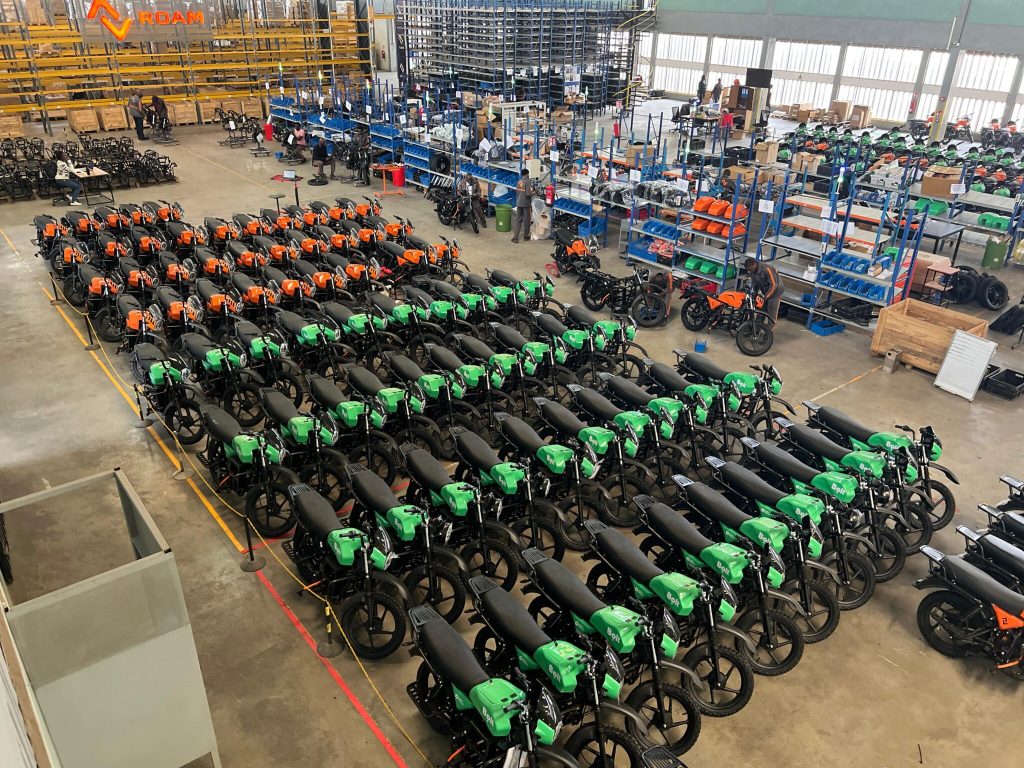
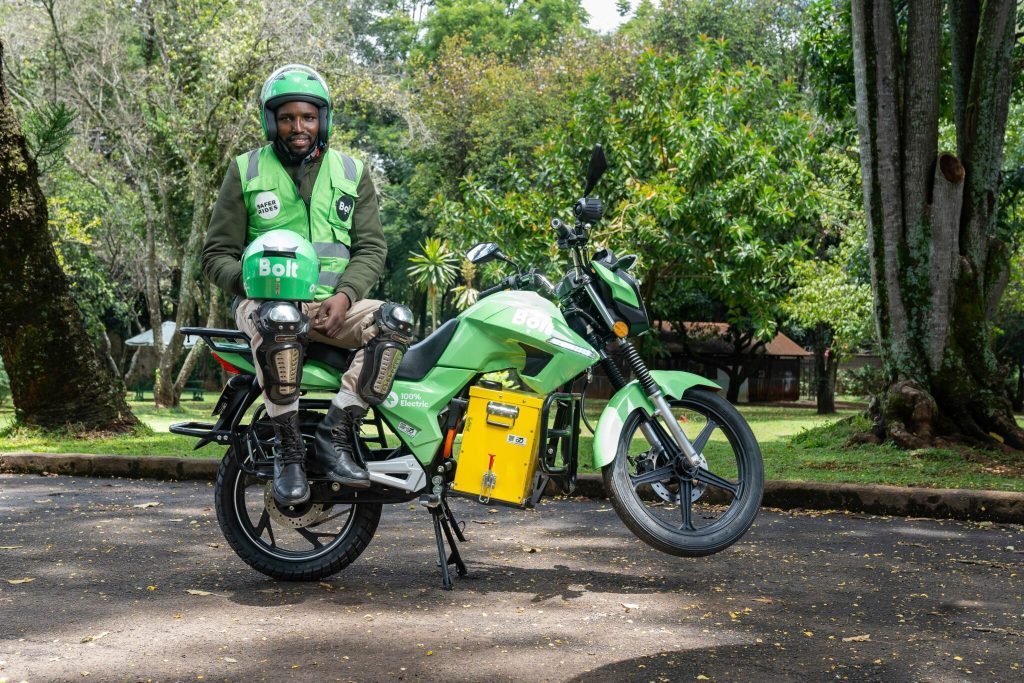
Bolt now operates the largest electric motorcycle fleet in Nairobi, with over 40% of its bikes running on electric power, marking a major milestone for Kenya’s fast-growing clean mobility sector.
Subscribe to our Instagram Channel for instant news & updates!
Kenya’s electric motorcycle sector has been quietly building momentum for nearly a decade. However, but recent figures show that adoption is now accelerating rapidly. Electric bikes accounted for around 7% of new motorcycle registrations in 2024, crossing a key market tipping point. In 2025, that figure has already climbed to about 10%, signalling growing confidence among riders, financiers, and fleet operators.
Kenya’s motorcycle market is recovering alongside this shift. After sales fell from over 285,000 units in 2021 to under 70,000 in 2024, the sector staged a strong rebound in 2025. Dealers sold nearly 100,000 motorcycles in the first eight months of this year alone. This clearly shows renewed demand for two-wheel mobility.
With transport contributing nearly 40% of Kenya’s carbon emissions, and petrol-powered motorcycles forming the bulk of urban traffic, the environmental stakes are high. Studies estimate that a fleet of 100,000 electric motorcycles could cut more than 85,000 tonnes of CO₂ emissions annually.
Bolt crosses the 40% electric fleet mark
Bolt’s announcement that electric bikes now make up over 40% of its motorcycle fleet marks a watershed moment for ride-hailing electrification in Africa. The company says the move forms part of its wider strategy to cut emissions, lower operating costs for riders, and support Kenya’s clean transport ambitions.
Beyond fleet numbers, Bolt revealed that it has already onboarded more than 1,700 riders through flexible financing programmes, reaching its 2025 target ahead of schedule. These riders access electric motorcycles through partnerships with innovative financiers such as M-KOPA, which specialise in pay-as-you-go vehicle ownership models.
According to Bolt’s regional leadership, this combination of lower daily energy costs, reduced maintenance expenses, and flexible financing is reshaping rider economics across Nairobi.
Financing accelerates electrification across East Africa
Strong financial infrastructure is driving Kenya’s electric motorcycle growth, not just rising demand. Alongside M-KOPA, financiers such as Watu are aggressively scaling up their electric vehicle portfolios.
Watu has outlined ambitious 2025 plans that include:
- Nearly 5,000 motorcycles are financed in Kenya, with about 40% of them electric
- Over 27,000 units in Uganda, with a growing EV share
- A rising, though still early, EV presence in Tanzania
This financing surge, combined with the expanding battery-swapping and charging network, is steadily removing one of the biggest barriers to electric motorcycle adoption: upfront cost.
Millions of electric rides already completed
Bolt’s platform data shows that riders completed 4.8 million electric motorcycle trips in Kenya over the past year alone, clearly indicating that passengers and riders are embracing cleaner transport in large numbers. The company now plans to expand its electric bike fleet even further in 2026, supported by new financing partnerships, rider support programmes, and collaborations with charging infrastructure providers.

Why this matters for Africa’s clean transport future
What’s happening in Nairobi is now being viewed as a blueprint for African e-mobility adoption. Electric motorcycles are proving especially well-suited to African cities due to:
- Lower daily operating costs than petrol bikes
- Reduced maintenance downtime
- Improved rider earnings potential
- Immediate emissions and air-quality benefits
With major ride-hailing players, financiers, and local manufacturers now fully aligned, Kenya’s electric motorcycle sector is no longer experimental; it is commercially viable and rapidly scaling.
A turning point for urban mobility
Bolt’s 40% electric fleet milestone signals more than just a corporate sustainability win. It reflects a structural shift in how urban transport is being built across Africa, one powered by local manufacturing, innovative financing, and real-world cost savings for riders.
As battery swapping networks expand and production volumes rise, electric motorcycles now stand a genuine chance of displacing petrol bikes as the default workhorse of African cities, starting with Nairobi.













Facebook
Instagram
X (Twitter)
YouTube
LinkedIn
RSS