

The LEO Solo JetBike offers low-altitude, licence-free flight with 48 ducted microjets, positioning it as a compact, futuristic thrill ride and a step toward next-gen personal eVTOL tech.
Subscribe to our Instagram Channel for instant news & updates!
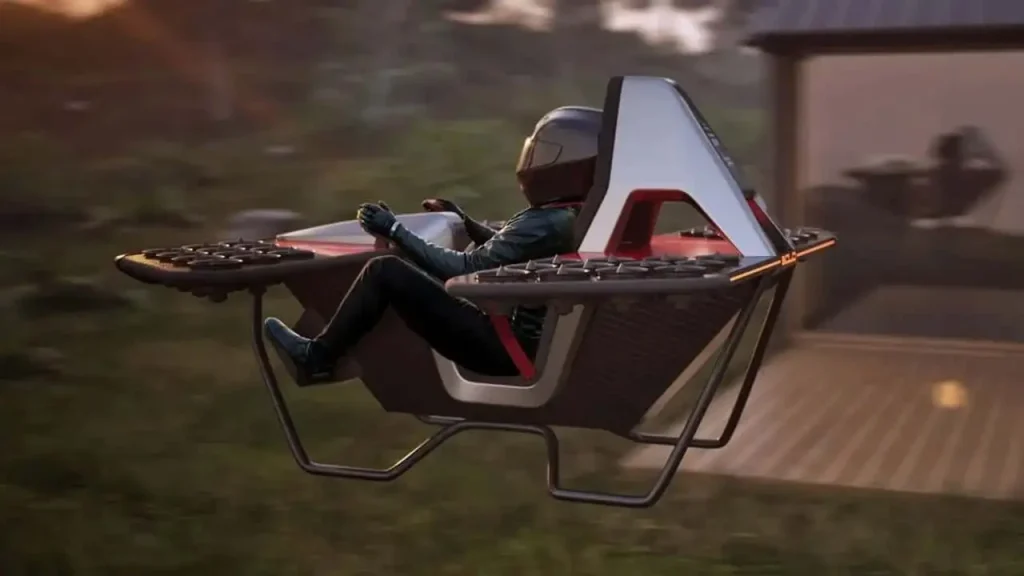
For riders who grew up fantasising about speeder bikes and jetpacks, the LEO Solo JetBike feels like a long-delayed promise finally inching into the real world. Built by Indiana-based LEO Flight, the Solo is a compact, single-seat eVTOL designed to give you low-altitude flight without needing a pilot’s licence, essentially a “flying motorcycle” you can park in a normal garage.
Instead of huge spinning rotors, the JetBike uses 48 ducted electric microjets arranged in a tight 6.5-foot frame. The design helps keep limbs safely away from moving parts while spreading thrust across dozens of small fans for greater stability and redundancy. It makes the Solo look less like a helicopter experiment and more like a futuristic bike that just happens to hover.
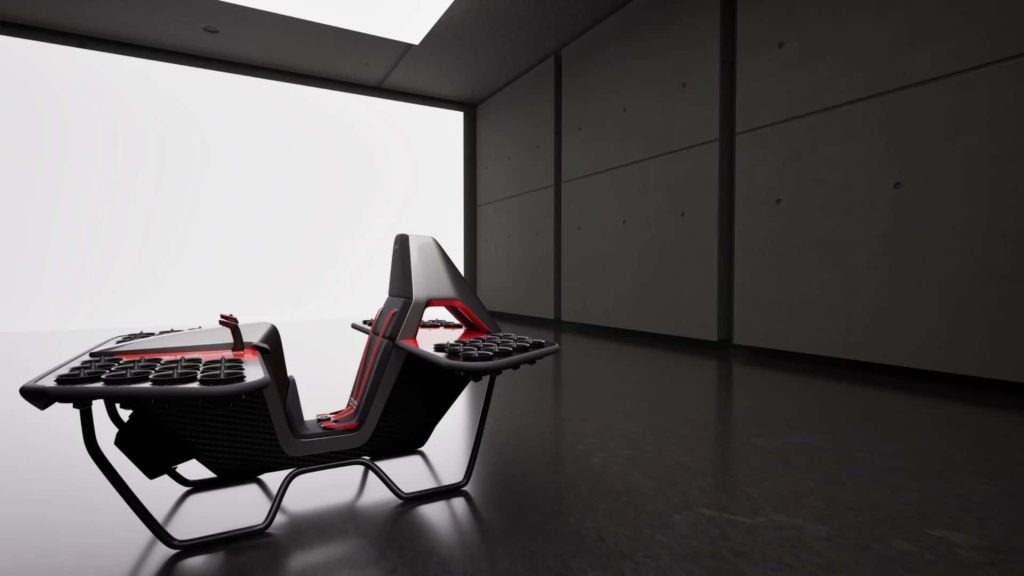
The Solo delivers intentionally restrained performance on paper. As a Part 103 ultralight, it offers roughly 10–15 minutes of flight, reaches a top speed capped at about 60 mph, and operates at altitudes of up to 15 feet. It generates around 80 dB of noise, more like a household vacuum than a helicopter, and its solid-state battery recharges at home. These choices position the JetBike as a controlled thrill ride rather than a commuting tool, keeping it in a safer, low-altitude operating window.
It enters a market already experimenting with personal eVTOLs, from Jetson’s rotor-based ONE to Japan’s hybrid Xturismo. Where those machines lean into drama, the Solo attempts something quieter, simpler, and arguably more rider-friendly. A refundable US$999 deposit secures a place in line, with the company targeting a base price near US$99,900 and deliveries pencilled in for late 2025.
A Glimpse Into What Comes Next
The Solo isn’t meant to replace your motorcycle or reinvent urban travel. Its importance lies in the technology it tests, safer ducted propulsion, smarter stability control, and lightweight electric flight systems. These building blocks often start in niche, enthusiast machines before finding their way into broader mobility tech.
So while the JetBike may remain a high-priced novelty for early adopters, it hints at a larger shift: the slow and steady blending of motorcycle culture with the next wave of electric aviation. And if that future includes a bit of childhood wish-fulfilment along the way, all the better.














Facebook
Instagram
X (Twitter)
YouTube
LinkedIn
RSS