

How growing skill, familiarity, and routine can quietly increase risk levels, reduce reaction time awareness, and lead experienced riders into preventable mistakes.
Subscribe to our Instagram Channel for instant news & updates!
Confidence is essential for safe motorcycle riding. Without it, hesitation and fear can create dangerous situations. However, there is a fine line between confidence and overconfidence. While beginners are often cautious and hyper-aware of their surroundings, experienced riders sometimes develop habits that increase risk without realizing it.
Overconfidence does not usually appear suddenly. It develops gradually as riders accumulate experience, miles, and familiarity with their motorcycle. The danger lies in how subtle the shift can be.
How Overconfidence Develops Over Time
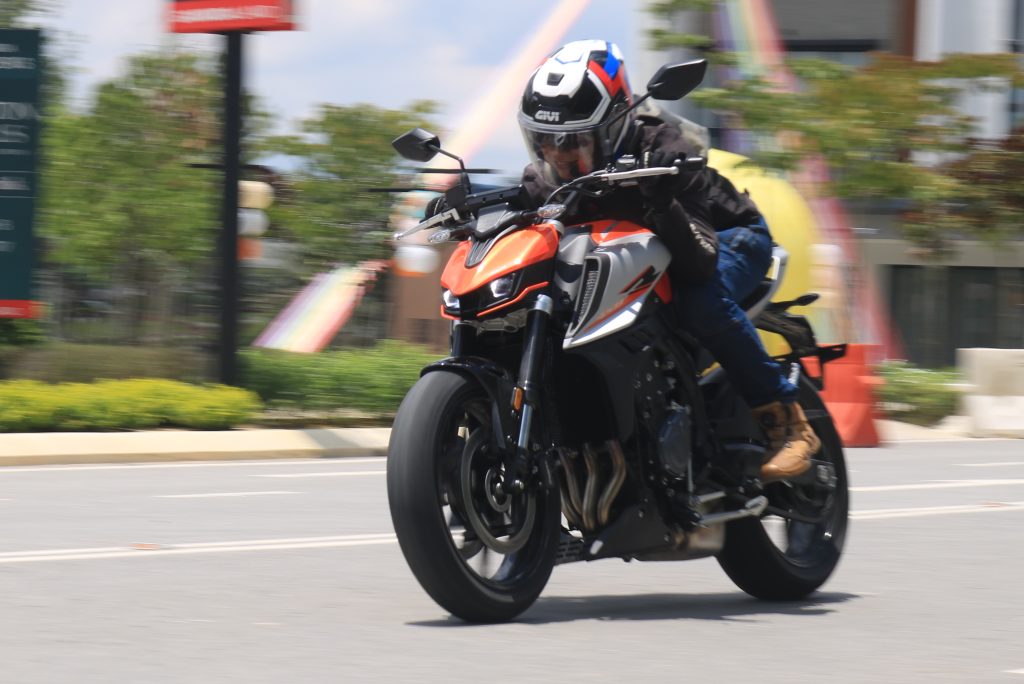
When riders become comfortable with their bike, daily routes, and riding conditions, their perceived level of control increases. Familiar roads feel predictable. Traffic patterns seem easier to read. Braking distances feel instinctive.
This comfort can reduce mental alertness. Small risks, such as riding slightly faster than usual or following vehicles more closely, begin to feel normal. Over time, these adjustments become habits. The problem is not skill itself. The problem is the illusion that skill eliminates risk.
Why Experienced Riders Are Not Immune
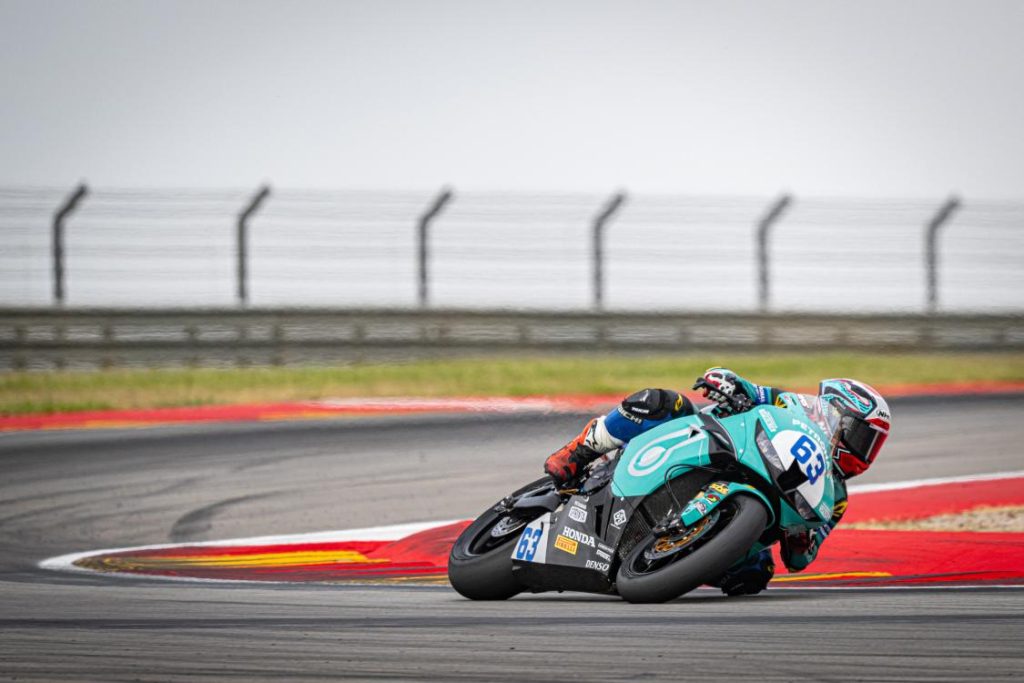
Statistics and real-world incidents show that accidents do not only involve beginners. In fact, experienced riders sometimes take calculated risks because they believe they can handle unexpected situations. The human brain adapts to repeated exposure. When a rider successfully takes a fast corner multiple times, the brain registers it as safe behavior.
The perceived danger decreases, even though the physical risk remains unchanged. This psychological adaptation is what makes overconfidence dangerous. It reduces the emotional warning signals that normally encourage caution.
Common Signs of Overconfidence on the Road
Overconfidence often appears in subtle behaviors. Riders may start accelerating harder in familiar areas, delay braking slightly longer than before, or underestimate poor weather conditions. Some may rely too heavily on advanced technology such as ABS or traction control, assuming the bike will correct every mistake.
Another sign is reduced focus. When riding becomes routine, attention may drift. Checking mirrors less frequently or reacting slower to unpredictable drivers are small changes that can have serious consequences.
The Role of Routine and Daily Riding
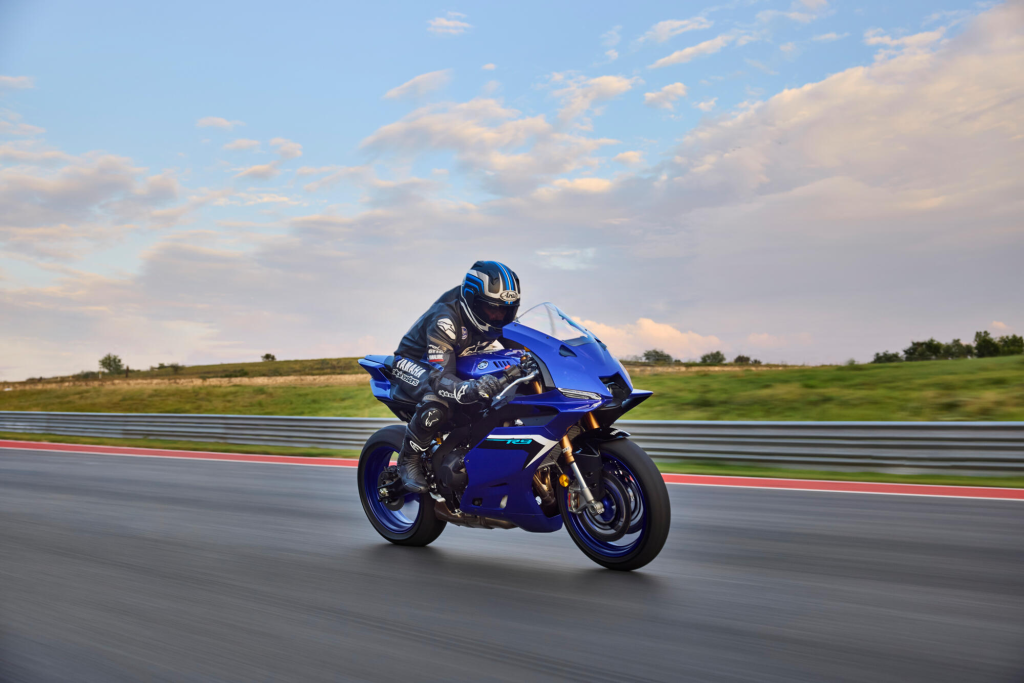
Daily commuting can increase overconfidence because repetition builds automatic behavior. While experience improves muscle memory, it can also lower situational awareness. Riders who travel the same route every day may anticipate traffic patterns instead of reacting to real-time conditions.
The risk increases when something unusual happens. A sudden obstacle, an unexpected lane change, or wet road patches can catch an overconfident rider off guard because their brain was operating on autopilot.
Balancing Confidence and Awareness
Confidence should be built on skill, not assumption. The safest riders maintain a mindset of continuous awareness, regardless of experience level. They treat every ride as unpredictable and respect the limits of both themselves and their motorcycle.
Regular training, advanced riding courses, and self-evaluation can help maintain healthy confidence levels. Riders who consciously remind themselves that risk never disappears are more likely to stay alert and adaptable.
Conclusion
Overconfidence in riding is a hidden risk because it feels like progress. As skill increases, so does comfort. However, comfort can quietly reduce caution, and reduced caution increases vulnerability.
Motorcycling demands constant awareness, no matter how experienced a rider becomes. The key is not eliminating confidence, but controlling it. True mastery lies in respecting risk, even when you feel fully in control.















Facebook
Instagram
X (Twitter)
YouTube
LinkedIn
RSS