

From slipping acceleration to strange noises, understanding the early warning signs of clutch failure can save you from costly repairs and unexpected breakdowns.
Subscribe to our Instagram Channel for instant news & updates!
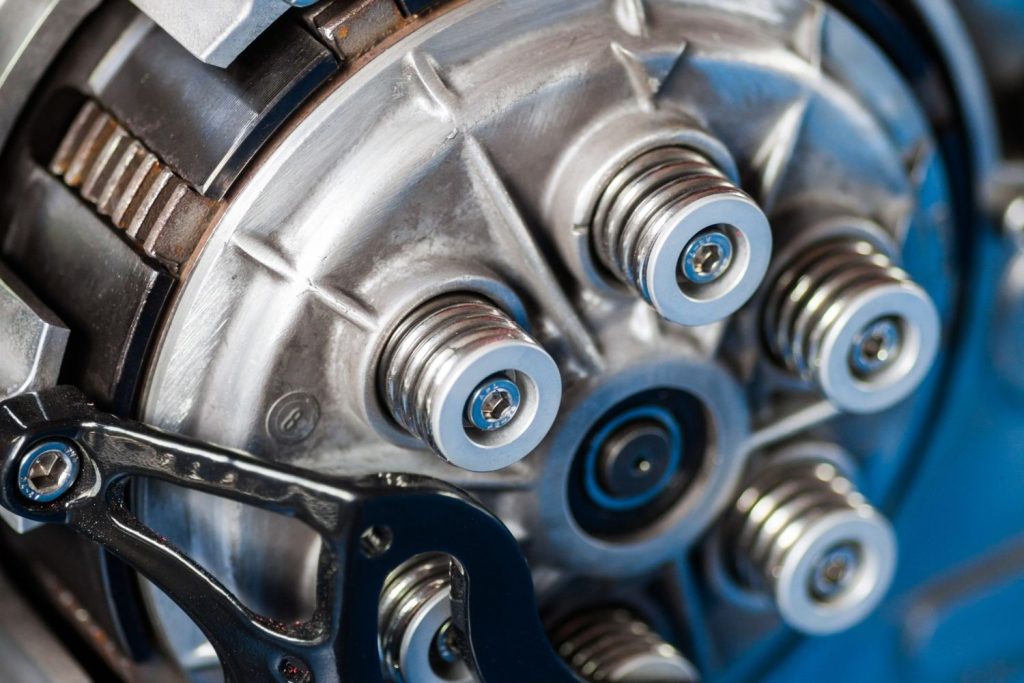
The clutch is one of the most important components in a motorcycle’s drivetrain. It transfers engine power to the transmission and allows smooth gear changes while riding. Because it is constantly engaged and disengaged during city traffic, long rides, and aggressive acceleration, the clutch naturally wears over time.
However, many riders ignore early warning signs until the problem becomes severe. Recognising the symptoms of a failing clutch early can prevent expensive damage to the gearbox and improve overall riding safety.
Slipping During Acceleration
One of the most common signs of clutch failure is slipping. This happens when the engine revs increase, but the motorcycle does not accelerate proportionally. You may notice the RPM rising quickly while speed builds slowly, especially when overtaking or climbing hills.
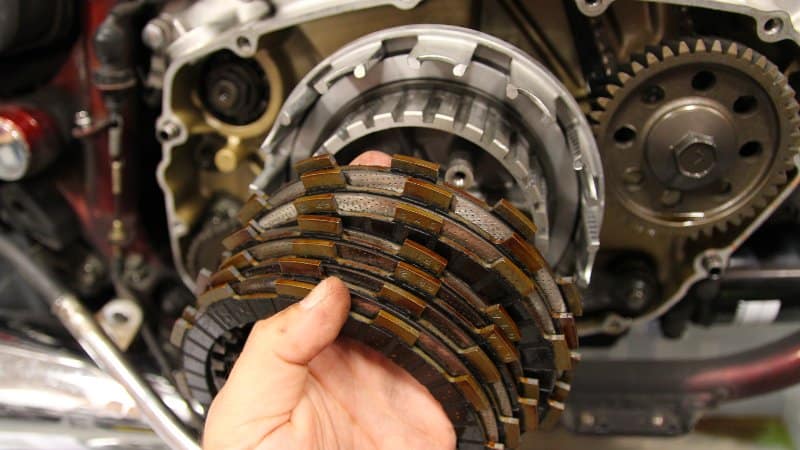
Clutch slipping occurs when the friction plates wear down and can no longer grip properly. If ignored, it reduces power delivery and increases heat inside the clutch assembly.
Difficulty Shifting Gears
A healthy clutch allows smooth and precise gear changes. If you begin to experience hard shifting, resistance when engaging gears, or gears that refuse to slot in properly, it may indicate clutch wear or improper cable adjustment.
In some cases, worn clutch plates prevent full disengagement, causing rough gear engagement and unnecessary strain on the transmission.
Burning Smell After Riding
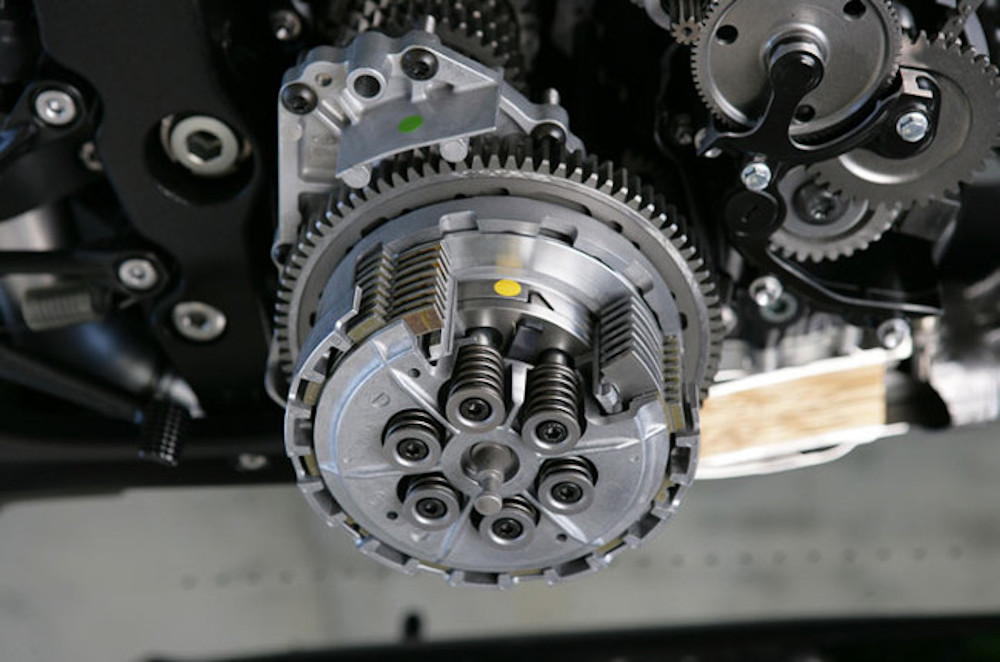
A noticeable burning smell after heavy traffic riding or aggressive acceleration can be a warning sign. This smell often comes from overheated clutch plates that are slipping excessively. Heat buildup accelerates wear and may lead to warped plates if the issue is not addressed promptly.
Strange Noises When Pulling the Clutch Lever
Unusual sounds such as rattling or grinding when pulling the clutch lever can indicate worn clutch components or issues with the clutch basket. While some mechanical noise is normal in motorcycles, new or louder sounds should not be ignored. If the noise changes when the lever is pulled in or released, the clutch assembly may require inspection.
Clutch Lever Feels Different
A sudden change in clutch lever feel can signal a developing issue. The lever may feel too loose, too tight, or engage at a different point than usual. In cable-operated systems, this could be due to cable stretch. In hydraulic systems, it may indicate fluid issues or internal wear. Changes in engagement point are often one of the earliest signs that clutch plates are thinning.
Poor Performance in Traffic
Riders who commute daily in heavy traffic tend to use the clutch frequently. Constant stop-and-go riding increases wear significantly. If your motorcycle feels weaker, jerky, or less responsive in low-speed conditions, the clutch may be nearing the end of its lifespan. City riders typically experience faster clutch wear compared to those who ride mainly on highways.
What Causes Clutch Failure?
Clutch wear is natural over time, but certain habits accelerate failure. Aggressive launches, excessive half-clutch riding, heavy loads, and improper adjustments all contribute to faster deterioration. Using the wrong type of engine oil can also affect clutch performance, especially in wet-clutch systems where oil quality directly impacts friction characteristics.
When to Replace Your Clutch
There is no fixed mileage for clutch replacement because wear depends heavily on riding style and environment. However, if slipping becomes frequent or performance noticeably declines, it is best to have the clutch inspected before more serious drivetrain damage occurs. Replacing worn clutch plates early is far more affordable than repairing a damaged transmission.

Conclusion
A failing clutch rarely stops working overnight. The warning signs usually appear gradually through slipping, shifting difficulty, unusual smells, or changes in lever feel. Paying attention to these symptoms allows riders to address issues early and avoid costly repairs.
Understanding how your clutch behaves during normal riding conditions makes it easier to detect when something is wrong. Preventive maintenance and responsible riding habits remain the best ways to extend clutch lifespan and maintain smooth, reliable performance.














Facebook
Instagram
X (Twitter)
YouTube
LinkedIn
RSS