

Understanding the factors that make practice pace misleading and why top performance doesn’t always translate to race results.
Subscribe to our Instagram Channel for instant news & updates!
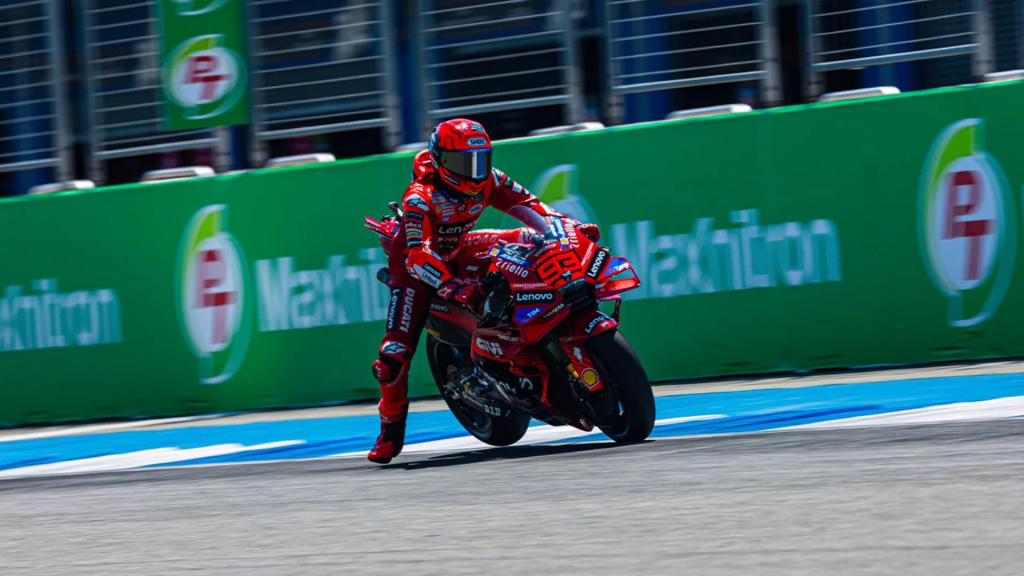
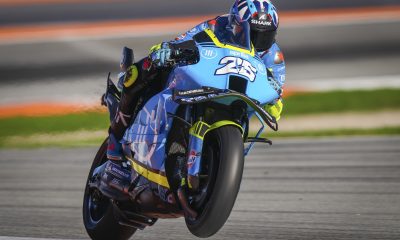
MotoGP fans often notice that certain riders dominate practice sessions, posting blistering lap times, only to finish mid-pack or struggle during the actual race. While it may seem surprising at first, there are several technical, physical, and mental reasons behind this phenomenon. Practice sessions are designed for experimentation and setup refinement, whereas race conditions demand consistency, strategy, and endurance.
The Difference Between Practice and Race Conditions
During practice, riders focus on testing bike setup, tyres, fuel load, and experimenting with riding lines. Lap times are often achieved on light fuel or with softer tyres specifically chosen for speed, which may not be ideal for a full race. Additionally, riders can take calculated risks in practice because the consequences are less severe.
On race day, however, the scenario changes. Full fuel loads, tyre management, and the need to maintain pace over multiple laps become critical. Riders who excel in a few fast laps may struggle to maintain consistency under these race pressures.
Tyre Management and Degradation
Tyres behave very differently under a full race distance compared to a single flying lap. Some riders naturally push the tyres hard, extracting maximum grip in practice. However, when the race starts, those same aggressive riding styles may cause tyres to degrade faster, leading to reduced grip and slower lap times. Riders who can manage tyre wear often perform better in the race, even if they were slightly slower in practice sessions.
Physical and Mental Fatigue
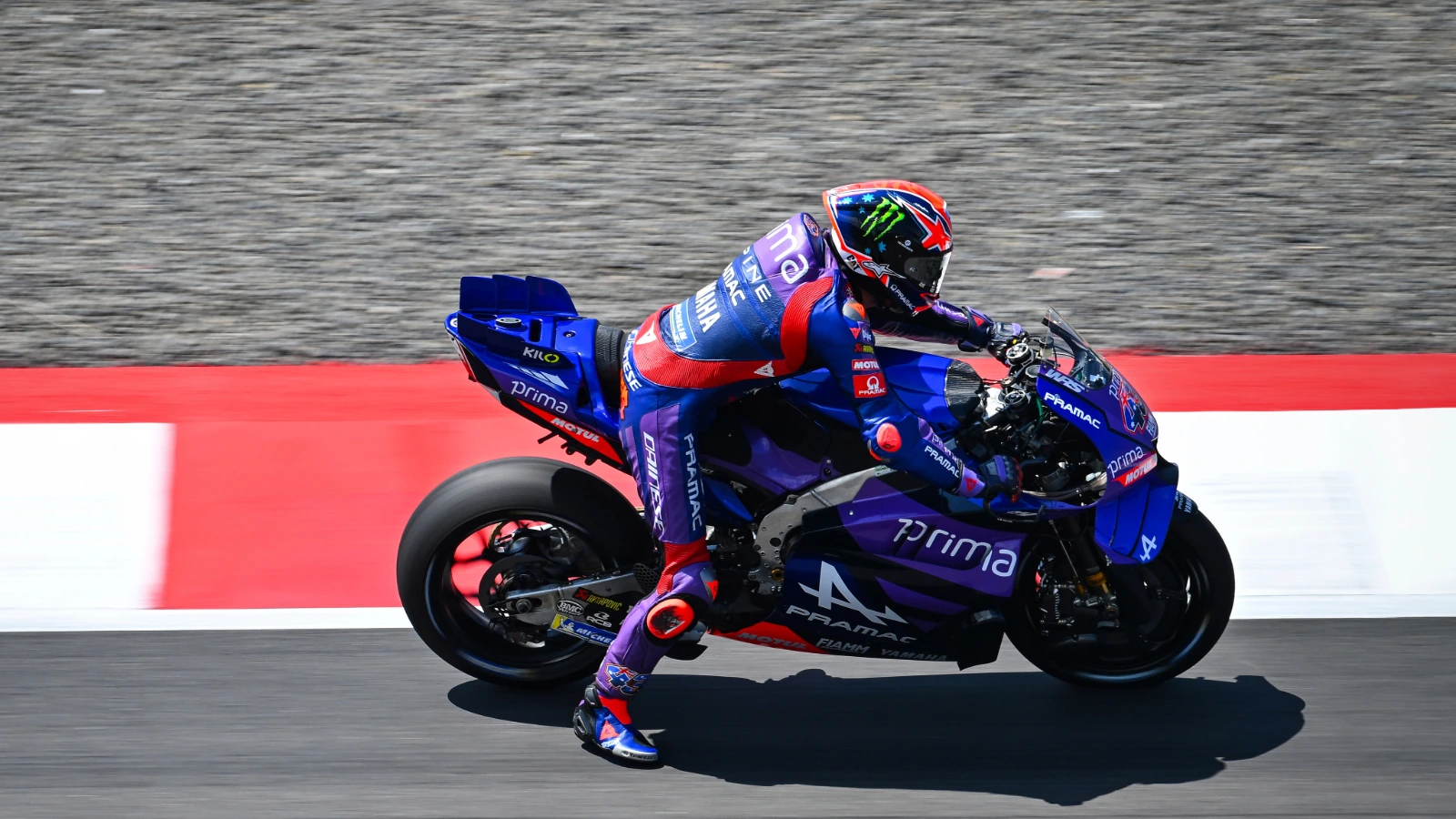
Race weekends are physically demanding. While practice sessions are short and intense, race distances can last 40 to 45 minutes, requiring sustained focus and energy. Riders who struggle with endurance or mental concentration may find it difficult to replicate their practice pace during a full race, especially under the pressure of competing against other riders for positions.
Race Strategy and Traffic
Practice sessions allow riders to focus on clean laps without interference from competitors. In contrast, races involve dealing with traffic, overtaking, defending positions, and adapting to unpredictable situations. Riders who excel in open-track practice may not have the same racecraft, which can lead to mistakes, slower laps, or poor finishing positions.
Weather and Track Conditions
MotoGP tracks can change drastically between practice and race day. Temperature, wind, humidity, and track grip levels can all impact performance. A rider who thrives under certain conditions in practice may struggle if conditions change during the race. Adapting to these variables is often what separates consistent performers from those who are fast only in practice.
Bike Setup and Technical Factors
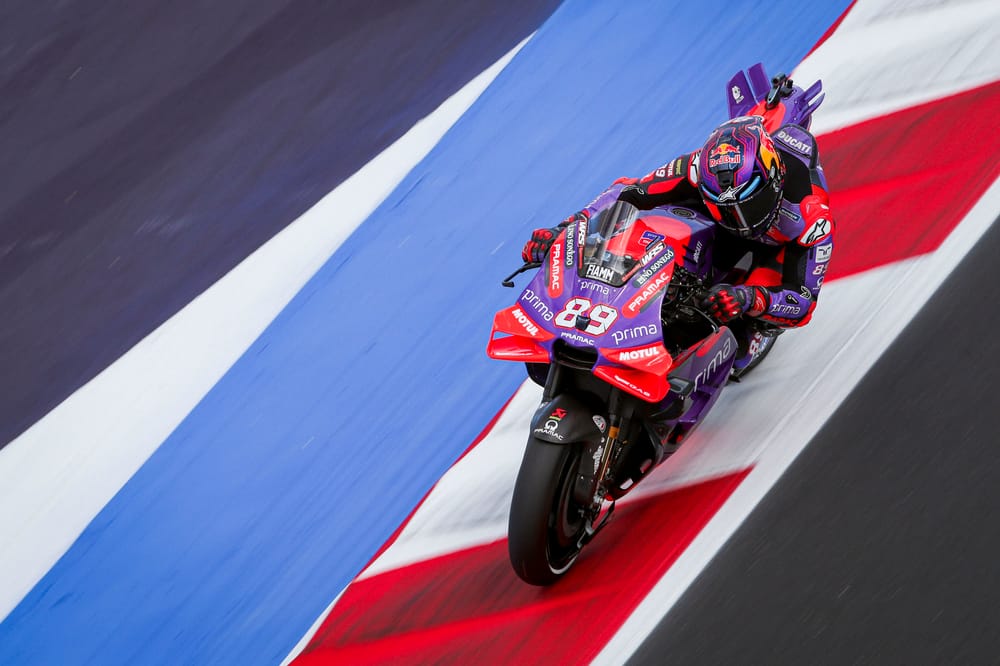
Some riders may have a bike setup that favors short bursts of speed rather than long-term stability. This setup may be perfect for a flying lap but can cause handling issues, inconsistent braking, or poor tyre performance over race distance. Teams often adjust setups for race conditions, and riders who cannot adapt to these changes may underperform.
Conclusion
Being fast in practice does not always translate to race-day success in MotoGP. Factors such as tyre management, physical endurance, race strategy, track conditions, and bike setup all play a crucial role in translating speed into results. Understanding these nuances helps fans appreciate the complexity of racing and why some riders shine in practice but struggle when it matters most. Consistency, adaptability, and racecraft often outweigh pure speed over a single lap.












Facebook
Instagram
X (Twitter)
YouTube
LinkedIn
RSS