

The technology, aerodynamics, and rider skill that let MotoGP motorcycles hit extreme top speeds safely on the world’s fastest circuits.
Subscribe to our Instagram Channel for instant news & updates!
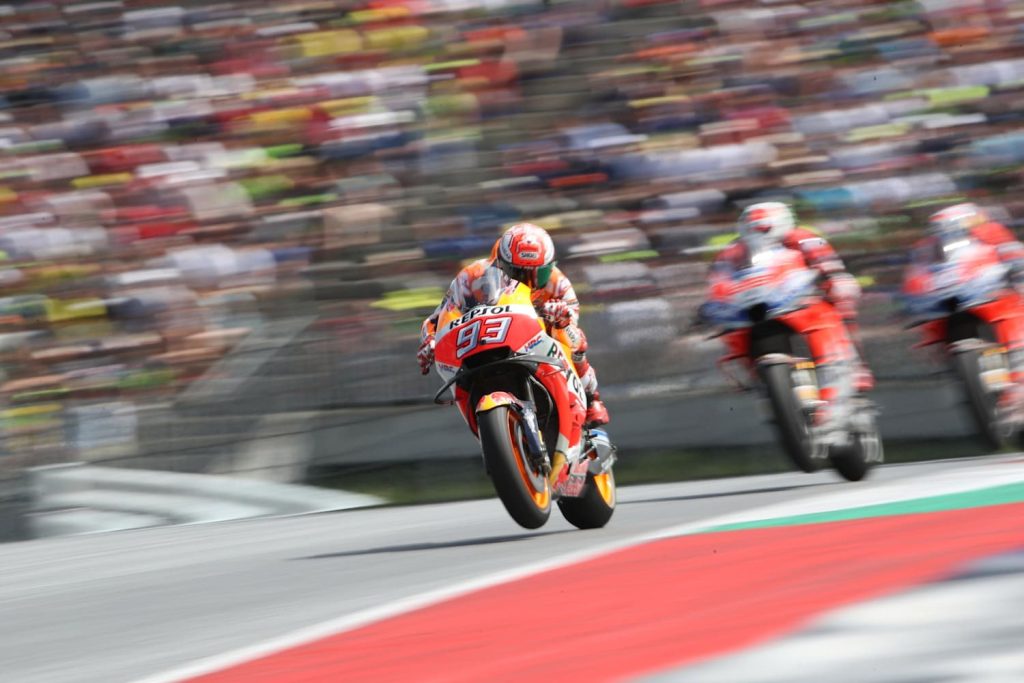
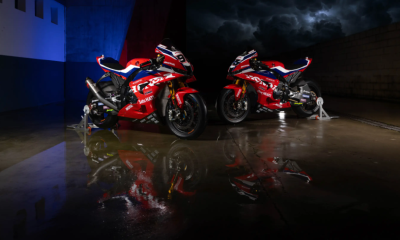
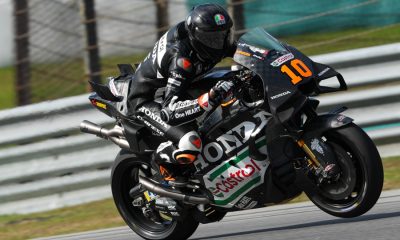
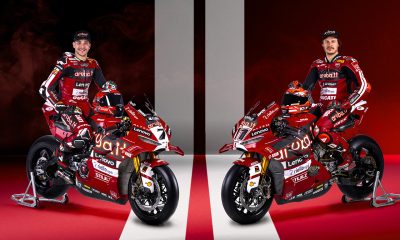
MotoGP bikes are the fastest motorcycles on the planet. On tracks with long straights, they can reach over 360 km/h. Hitting these speeds is not just about engine power. It requires precise engineering, smart aerodynamics, and skilled riders working together.
Every part of a MotoGP bike is designed for racing. Road motorcycles cannot match this performance. The goal is simple: go as fast as possible while staying stable and safe.
Engines Built for Maximum Power
MotoGP bikes use 1000cc prototype engines made for racing. They produce huge power but remain lightweight. Engineers focus on smooth power delivery. This helps riders stay on the throttle without losing control. The engines run at very high RPMs. Advanced materials make them strong and reliable for an entire race weekend. Every detail is designed for performance.
Aerodynamics That Cut Through Air
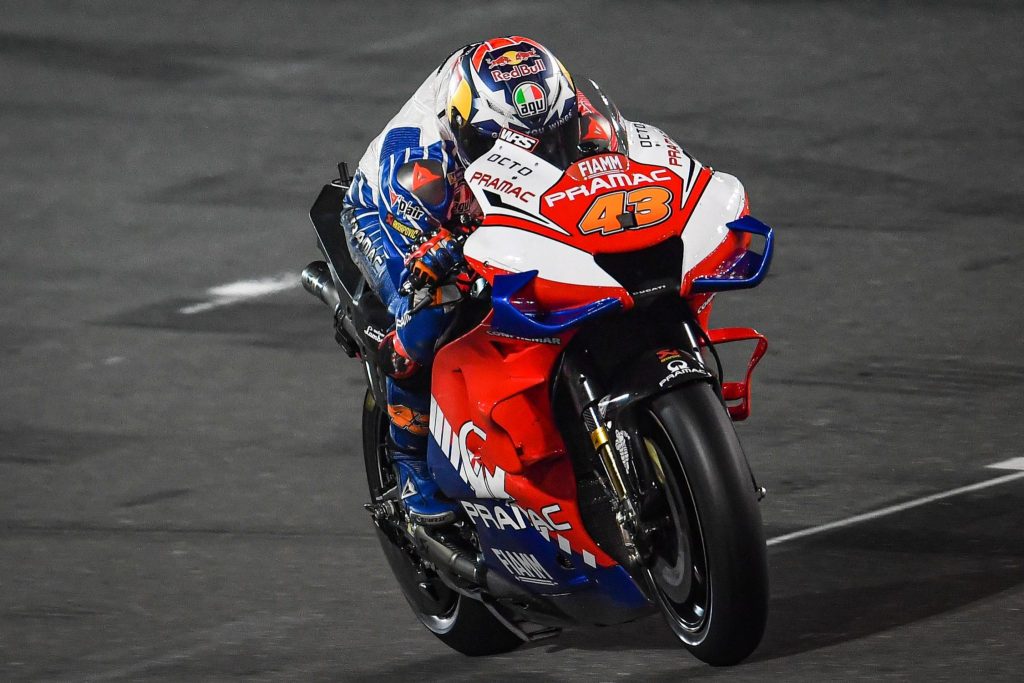
At high speeds, air pushes back hard. MotoGP bikes use special fairings and winglets. These reduce drag and keep the bike stable. Winglets help prevent wheel lift during hard acceleration. Aerodynamics must be balanced. Too much drag slows the bike. Too little downforce makes it unstable in corners. Teams carefully tune the bike for each circuit.
Electronics Help Control Power
Modern electronics are essential. Traction control, wheelie control, and engine braking make the bike manageable. They help riders use full power without sliding or lifting the front wheel. Electronics let riders push harder on straights and corners. Without them, handling a MotoGP bike at 360 km/h would be almost impossible.
Lightweight Design Improves Speed
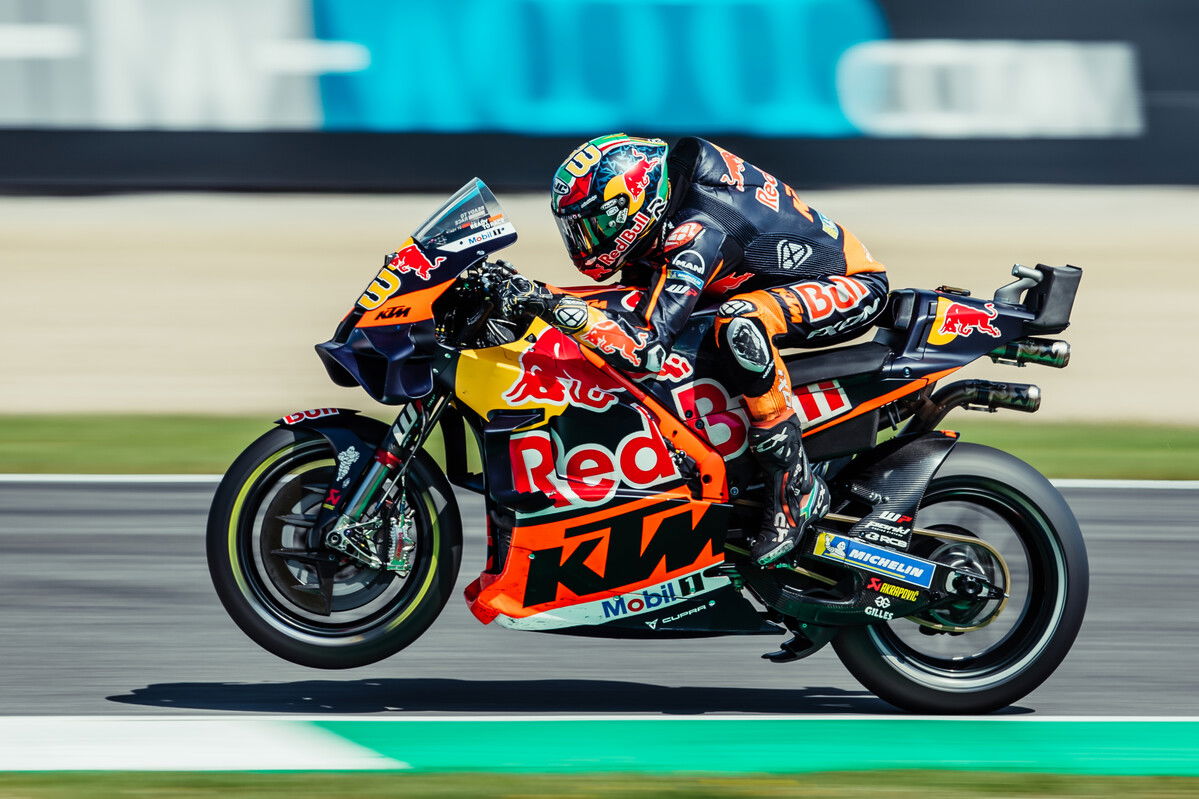
Weight affects acceleration and top speed. MotoGP bikes use carbon fiber, titanium, and other light materials. Every part is designed to save weight while staying strong. Even small weight reductions make a difference. Lighter bikes accelerate faster and reach higher top speeds more efficiently.
Gearing and Track Setup
Gear ratios are adjusted for each circuit. Long straights need taller gears to reach maximum speed. Shorter circuits prioritize quick acceleration over top-end speed. Proper gearing ensures the bike delivers power at the right moment. Teams tweak setup to match the demands of every track.
Rider Skill at Extreme Speed
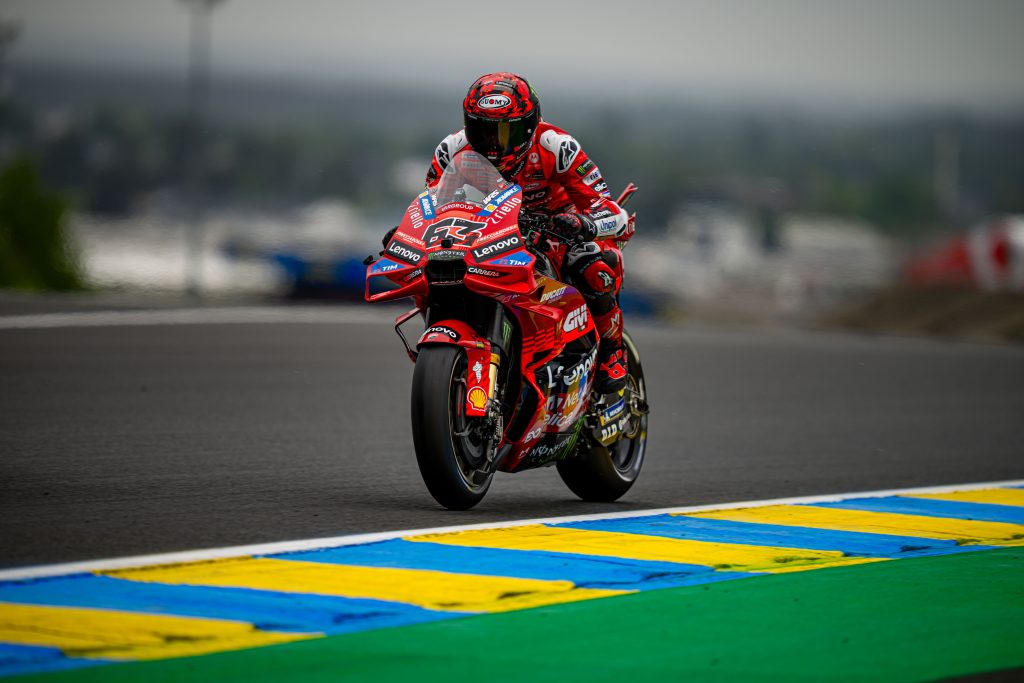
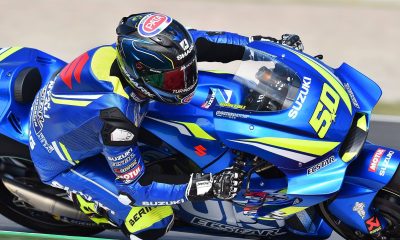
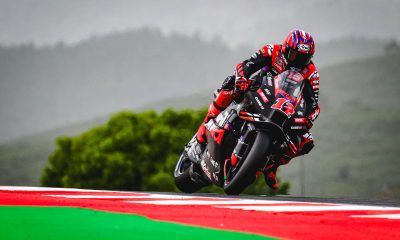
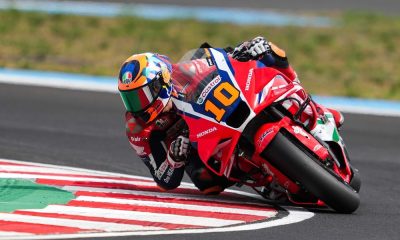
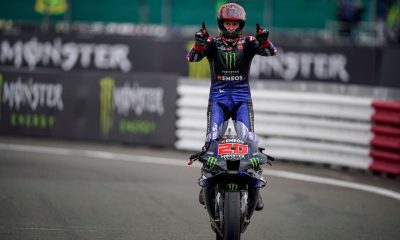
The rider is critical. Body position affects airflow and stability. Tucking in reduces wind resistance. Staying stable is essential at high speeds. Even small mistakes can be dangerous. Riders need focus, strength, and precision to control the bike at over 360 km/h.
Conclusion
MotoGP bikes reach extreme speeds thanks to powerful engines, smart aerodynamics, advanced electronics, lightweight construction, and skilled riders. Each factor matters. Together, they create the fastest, most advanced motorcycles in racing today. Small adjustments in any area can change performance dramatically.








Facebook
Instagram
X (Twitter)
YouTube
LinkedIn
RSS