

Why knowing when to stay calm, trust your bike, and avoid unnecessary inputs is one of the most important skills for riders.
Subscribe to our Instagram Channel for instant news & updates!
When people talk about motorcycle skills, they usually think about braking techniques, cornering speed, or throttle control. Rarely do riders talk about one of the most important abilities in riding, knowing when to do nothing. This skill is not about being careless or passive, but about understanding when the motorcycle is already doing what it is designed to do.
Why Riders Feel the Need to React
Many riders become uncomfortable the moment the bike behaves slightly differently than expected. A small wobble, a wider corner line, or a bump in the road often triggers an immediate reaction. Riders instinctively try to fix the situation, even when no correction is needed.
These reactions usually come from tension and uncertainty rather than real danger. In many cases, the bike was stable until the rider introduced unnecessary input.

Motorcycles Are More Stable Than You Think
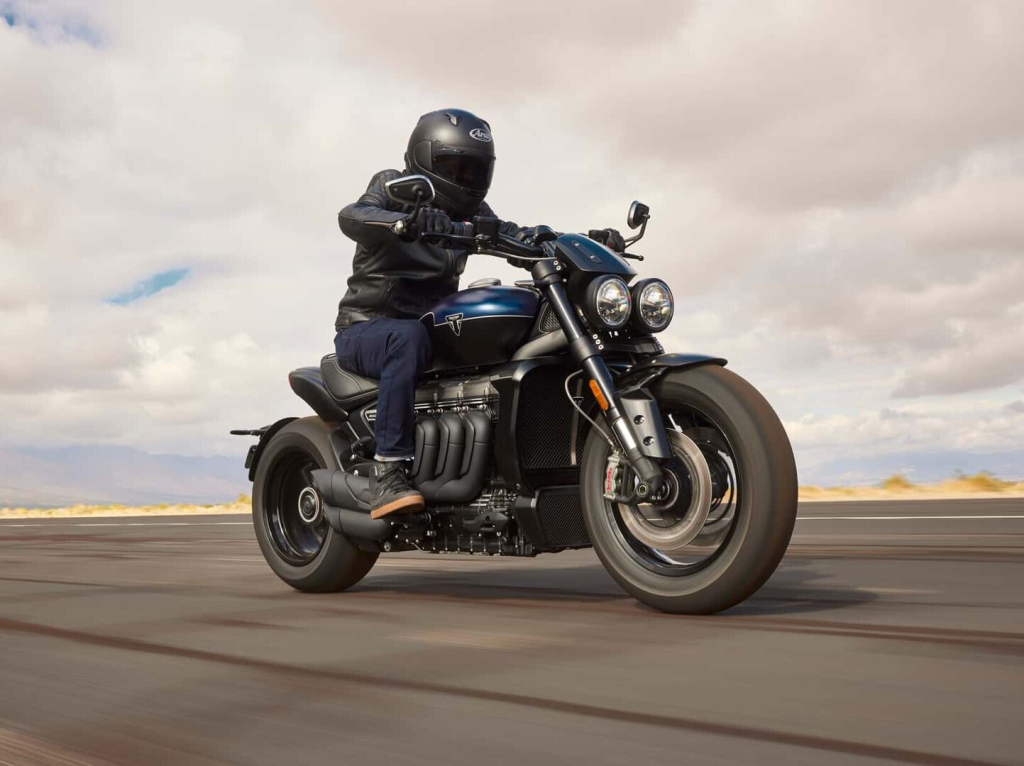
Modern motorcycles are engineered to be naturally stable, especially when ridden smoothly. At speed, the bike wants to stay balanced and track forward. The suspension absorbs bumps, the tyres maintain grip, and the chassis works to keep everything aligned.
When a rider stays relaxed and avoids sudden movements, the motorcycle remains calm and predictable. Interfering too much often disrupts this natural stability.
Doing Nothing Is Still a Form of Control
Doing nothing does not mean losing control of the motorcycle. It means choosing not to interfere when intervention is unnecessary. Skilled riders understand that control is about restraint, not constant correction.
Instead of reacting to every sensation, they allow the bike to settle on its own. This approach keeps traction intact and reduces instability caused by abrupt inputs.

When This Skill Matters the Most
The ability to do nothing becomes especially important in mid-corner situations, on uneven road surfaces, or during higher-speed riding. In these moments, sudden braking or steering inputs can upset the balance of the motorcycle.
Riders who remain calm and let the bike work often experience smoother exits and fewer close calls. Sometimes, the safest response is no response at all.
Why Beginners Struggle With This Skill
New riders are still learning how a motorcycle behaves. Without experience, every unfamiliar movement feels like a problem that must be fixed immediately. This leads to overcorrection and unnecessary tension.
As riders gain experience, they start to trust the motorcycle. They learn to recognise what is normal feedback and what actually requires action. Confidence replaces panic.

How Riders Develop the Skill of Doing Nothing
This skill develops through awareness and patience. Riders begin to relax their grip, loosen their arms, and breathe normally while riding. Over time, they learn to observe what the bike is doing before reacting.
With experience, riders become more selective with their inputs. They act only when needed, and stay relaxed when everything is under control.
Conclusion
The skill of doing nothing is one of the most underrated abilities in motorcycling. It is not about riding slower, but about riding smarter. Riders who master this skill look smooth, calm, and confident.
By trusting the motorcycle and avoiding unnecessary reactions, riders improve control, safety, and overall riding quality. Sometimes, the best action on a motorcycle is knowing when not to act.













Facebook
Instagram
X (Twitter)
YouTube
LinkedIn
RSS