

Comparing fuel cost, comfort, maintenance, practicality, and real-world performance to help riders decide which motorcycle truly makes sense for everyday commuting.
Subscribe to our Instagram Channel for instant news & updates!
Choosing between a big bike and a small bike is one of the most common dilemmas riders face. While large-capacity motorcycles offer power, presence, and highway comfort, smaller bikes are often praised for practicality and affordability.
When it comes to daily use, however, the answer is not as simple as engine size alone. Understanding how each type performs in real-world commuting conditions can help riders make a smarter long-term decision.
Fuel Efficiency and Running Costs
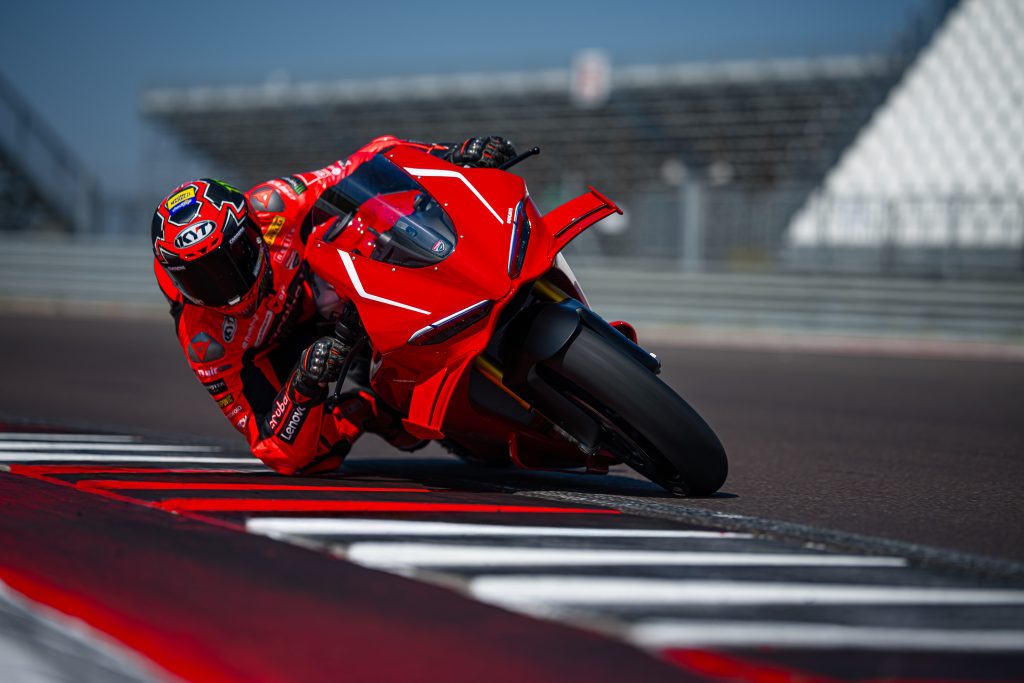
For daily commuting, fuel consumption plays a major role. Big bikes, especially those above 600cc, tend to use significantly more fuel. While the difference may seem small per ride, it adds up quickly when commuting five or six days a week. In addition, bigger engines often require higher-grade fuel and more expensive servicing.
On the other hand, small bikes, typically under 400cc, are designed to be fuel-efficient and economical. They consume less petrol, making them ideal for stop-and-go city traffic. If cost efficiency is the priority, small bikes generally have the advantage.
Traffic Maneuverability
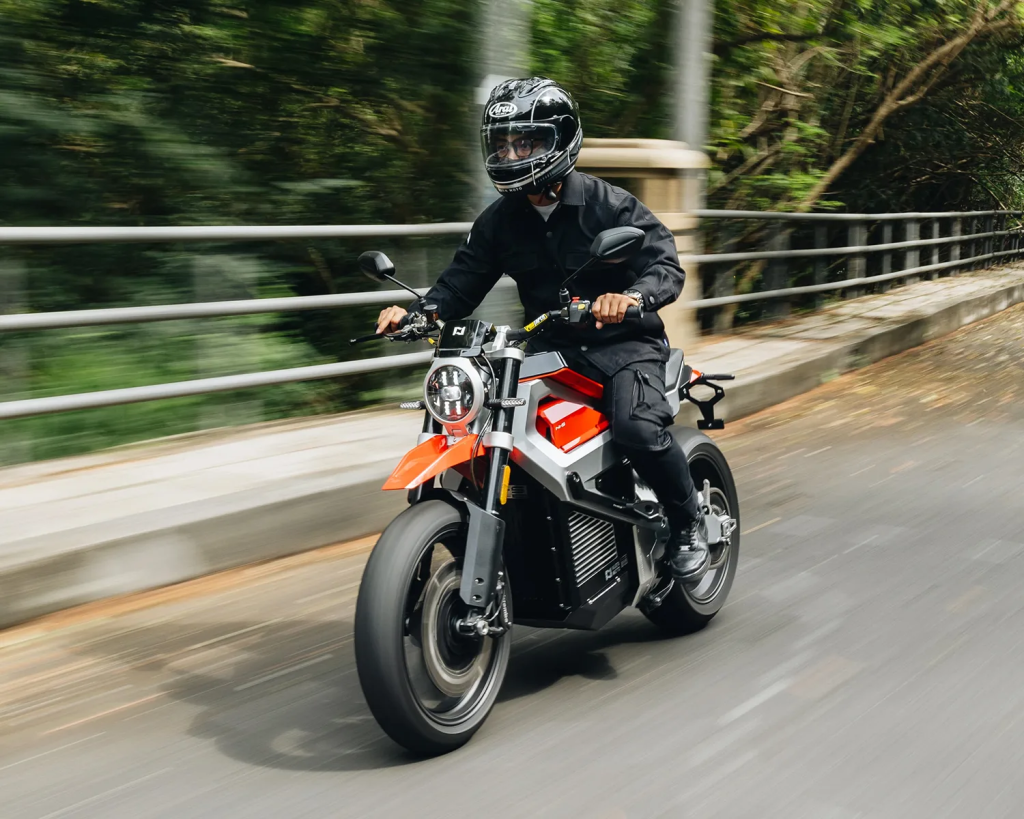
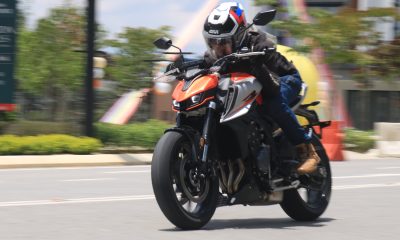
Urban commuting often means tight gaps, heavy congestion, and limited parking space. Smaller motorcycles are lighter and easier to maneuver at low speeds. They allow riders to filter through traffic with greater confidence and less fatigue.
Big bikes, on the other hand, can feel heavy in slow-moving traffic. Their wider handlebars and larger frames may make lane filtering more challenging. For riders navigating busy city centers daily, weight and size can become noticeable disadvantages.
Comfort and Highway Stability
Small bikes can handle highways, but they often operate at higher RPMs when maintaining cruising speeds. Over time, this may lead to increased engine wear and rider fatigue during long-distance commutes.
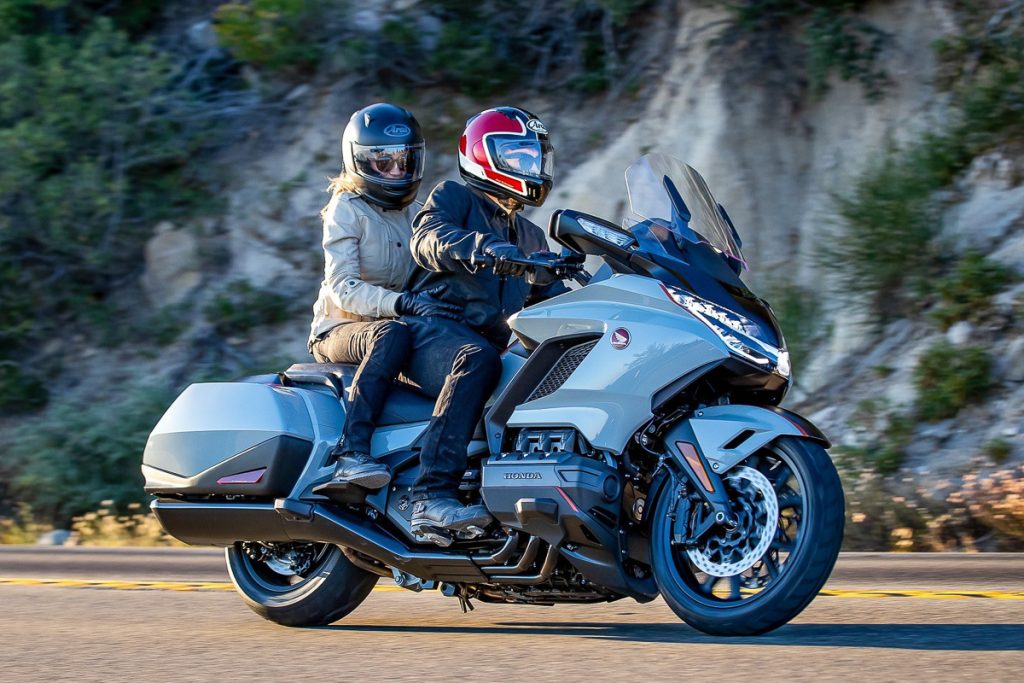
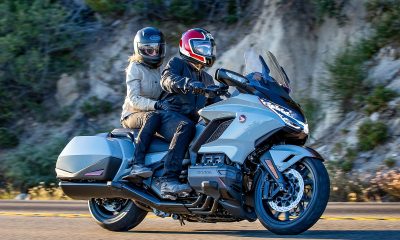
Where big bikes shine is in comfort and stability, especially at higher speeds. Larger engines deliver smoother power at highway cruising speeds, reducing engine strain and vibration. They are also generally equipped with better suspension systems and more comfortable seating. For riders who mix city riding with frequent highway travel, big bikes may provide a more relaxed experience.
Maintenance and Long-Term Wear
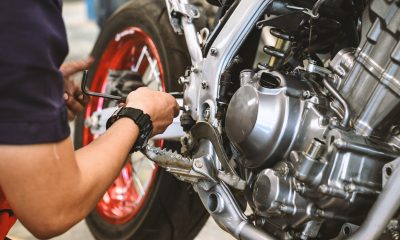
Daily use accelerates wear on components such as chains, tyres, brake pads, and clutch systems. Smaller motorcycles typically have lower replacement costs for these parts. Tyres, for example, are usually cheaper and last longer due to lighter weight.
Big bikes require larger tyres, stronger brake components, and more expensive engine oil. Servicing intervals may also be more costly due to increased complexity and higher-performance parts. From a maintenance standpoint, small bikes are often more budget-friendly for daily riders.
Practicality and Storage
Daily commuters often need practicality. Smaller bikes are easier to park, lighter to push around, and more convenient in tight residential or office parking areas. They also tend to generate less heat in traffic.
Big bikes offer presence and road dominance, but their size can make parking and daily maneuvering less convenient. However, they may provide better pillion comfort and luggage options for riders who occasionally travel longer distances.

The Lifestyle Factor
For some riders, the decision is not purely practical. Big bikes offer prestige, power, and a stronger emotional appeal. The riding experience feels more powerful and engaging.
Small bikes, however, represent simplicity and efficiency. They are less intimidating for daily riding and often less stressful in crowded environments. Ultimately, daily use depends on lifestyle needs rather than just engine size.
Final Verdict: Which Is Better for Daily Use?
If your daily riding consists mainly of city commuting, heavy traffic, and short distances, a small bike is usually the smarter and more economical choice. It offers better fuel efficiency, lower maintenance costs, and easier maneuverability.
However, if your commute includes regular highway riding or longer distances, and comfort matters more than cost, a big bike may justify the additional expense.
The best choice depends on how and where you ride. Daily practicality favors smaller motorcycles, while mixed-use commuting with highway travel may lean toward larger machines.








Facebook
Instagram
X (Twitter)
YouTube
LinkedIn
RSS