

A deep dive into the electronic systems that help MotoGP riders manage immense power, improve cornering, and stay competitive on the world’s fastest circuits.
Subscribe to our Instagram Channel for instant news & updates!
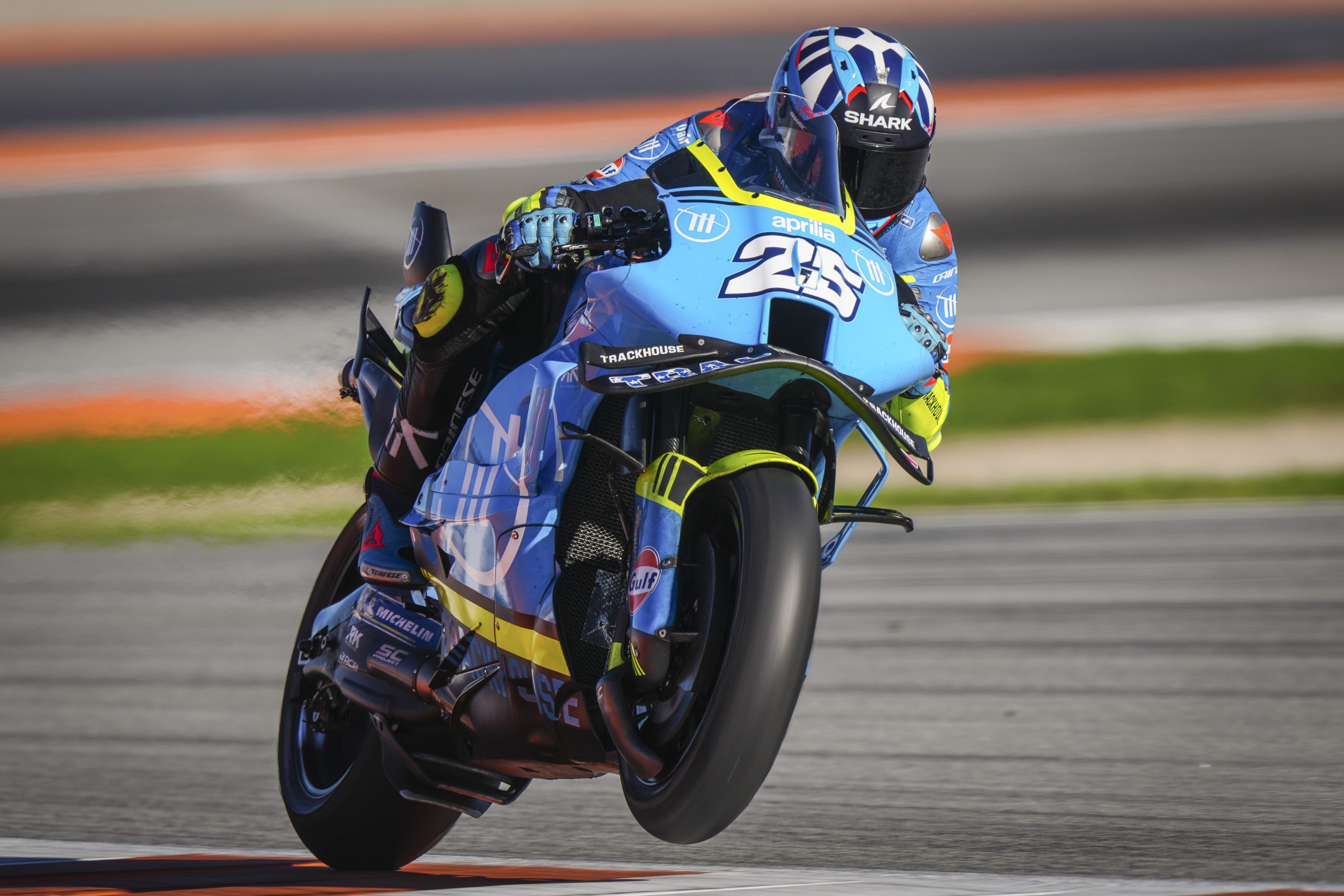
Modern MotoGP motorcycles are not just about raw engine power. Electronics play a vital role in keeping these high-speed machines under control. With engines producing over 250 horsepower, riders rely on systems like traction control, quickshifters, anti-wheelie devices, and engine braking management to optimize performance safely.
These systems allow riders to push harder, brake later, and accelerate more smoothly without losing traction or stability. Electronics do not replace skill but amplify what the rider can achieve on track.
Traction Control: Taming Extreme Power
Traction control monitors wheel spin and adjusts engine power in real time. On corner exits or slippery surfaces, it prevents the rear wheel from spinning excessively. This allows riders to maintain acceleration without losing control.
Traction control also adapts to track conditions, including wet or uneven surfaces. Riders can trust their bikes to respond predictably, allowing them to focus on line, braking points, and race strategy rather than constantly managing wheel spin.
Quickshifters: Faster, Smoother Gear Changes
Quickshifter systems let riders change gears without using the clutch or closing the throttle. This reduces shift time and keeps power delivery smooth.
The result is faster lap times, more stability through corners, and less physical strain on the rider. On long straights and complex circuits, a quickshifter can make a measurable difference in overall performance.
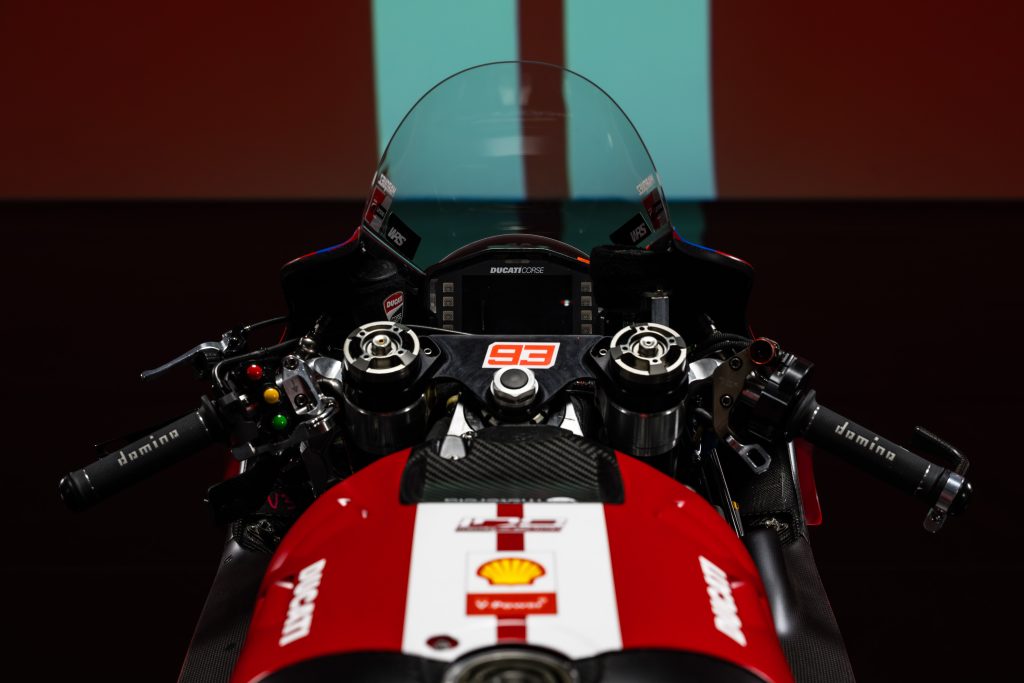
Wheelie Control and Engine Braking Systems
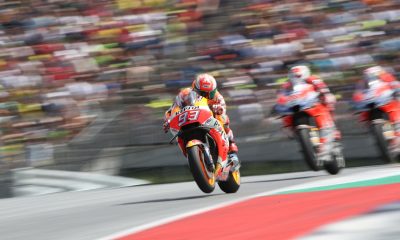
At high speeds, front wheel lift can be dangerous. Wheelie control systems use sensors to limit lift and keep the front wheel grounded during hard acceleration.
Engine braking management adjusts how the bike slows when the throttle is released. It prevents rear wheel lock-up during aggressive corner entries, allowing riders to brake harder and more confidently while maintaining balance.
Data Logging and Adaptive Systems
Modern MotoGP bikes are equipped with extensive sensors. They monitor suspension movement, throttle position, tire slip, and many other factors. This data feeds into adaptive electronics that fine-tune bike behavior in real time.
Teams analyze this data to optimize settings for individual riders, track conditions, and tire compounds. The integration of electronics with rider input helps achieve a balance between speed, safety, and tire management.
Why Electronics Do Not Replace Skill
Even with advanced electronics, the rider remains the key to performance. Systems assist, but they cannot correct mistakes in line, braking, or body position. Riders still need focus, precision, and instinct to extract the maximum from the bike.
Electronics extend the limits of what a skilled rider can do, helping them manage extreme forces safely while pushing for faster lap times.

Conclusion
Electronics in MotoGP, including traction control, quickshifters, wheelie control, and engine braking systems, are essential for handling modern high-power bikes. They enhance safety, improve lap times, and allow riders to push their machines to the limit. However, rider skill remains irreplaceable. In the world of MotoGP, electronics and human expertise work together to create some of the fastest and most controlled racing ever seen.








Facebook
Instagram
X (Twitter)
YouTube
LinkedIn
RSS