

How learning to let go of tight grips and stiff posture helps you ride smoother, stay safer, and control your bike better in every situation.
Subscribe to our Instagram Channel for instant news & updates!
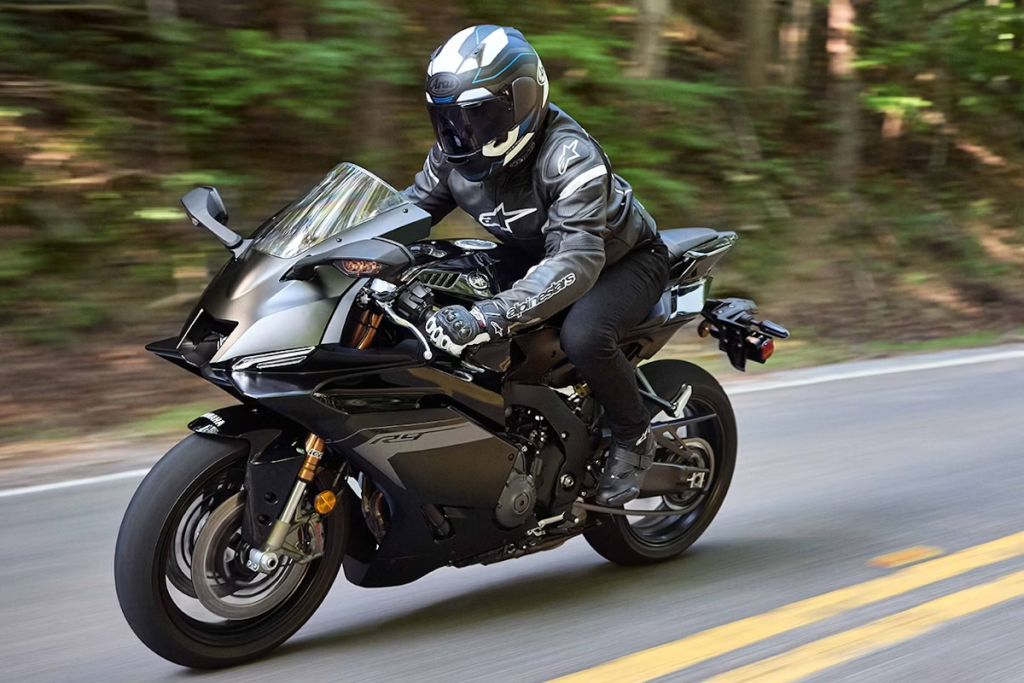
Many riders think that stability comes from holding the bike tightly and bracing themselves. When entering a corner or riding at speed, the instinct is often to tense up. However, tension actually reduces control and increases fatigue.
Stability isn’t about fighting the motorcycle, it’s about moving with it, trusting its balance, and maintaining relaxed control. This subtle skill often separates confident riders from beginners and even some experienced motorcyclists.
The Problem With Tension
When riders grip the handlebars too tightly or lock their arms, the bike becomes harder to steer smoothly, the body overreacts to bumps or imperfections in the road, and fatigue sets in faster, even on short rides.
Tension creates a feedback loop, the rider grips harder because the bike feels less responsive, which makes it even more difficult to control. In the end, tension reduces stability instead of improving it.
Why Relaxation Improves Stability
Relaxation doesn’t mean letting go completely. It means using just enough force to maintain control while staying fluid with the bike’s movements.
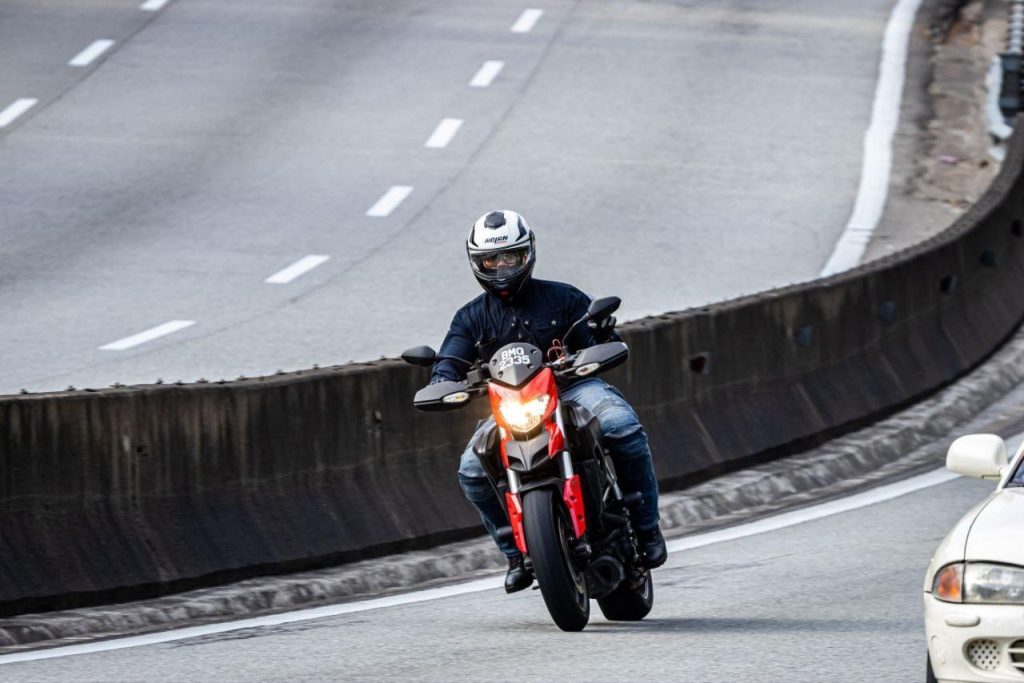
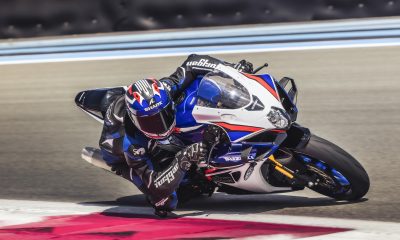
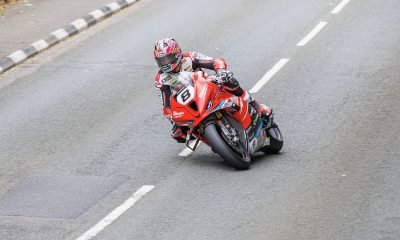
When riding relaxed, your arms and shoulders naturally absorb shocks, your steering becomes smoother, and your lower body contributes effectively to balance, especially in corners. This harmony between rider and machine is where true stability comes from.
How to Practice Relaxed Riding
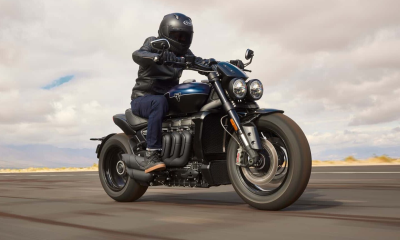
Riders can start by loosening their grip and avoiding stiff holds on the handlebars. Maintaining a posture with slightly bent elbows and relaxed shoulders allows the body to move with the bike rather than fight it.
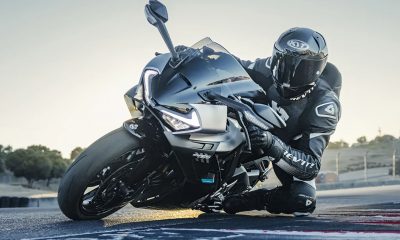
Engaging the knees and core helps stabilize in corners, while calm and steady breathing keeps muscles loose and focus sharp. Smooth throttle and brake control further enhance stability, as abrupt inputs make the bike feel tense and unstable.

When Tension Is Useful
There are moments when tension is unavoidable, such as sudden emergency braking, avoiding obstacles, or riding on extremely rough terrain. Even in these situations, tension should be temporary and controlled.
Skilled riders can switch seamlessly between relaxed riding and brief periods of tension depending on the situation, allowing them to remain confident and safe on the road.
Conclusion
Stability on a motorcycle comes from a relaxed and flowing approach rather than stiff grips or braced arms. Relaxation allows riders to absorb shocks, steer smoothly, and maintain confidence in challenging situations.
Riding is most effective when you work with the bike instead of against it, and letting go of unnecessary tension can dramatically improve control, skill, and enjoyment on the road.













Facebook
Instagram
X (Twitter)
YouTube
LinkedIn
RSS