

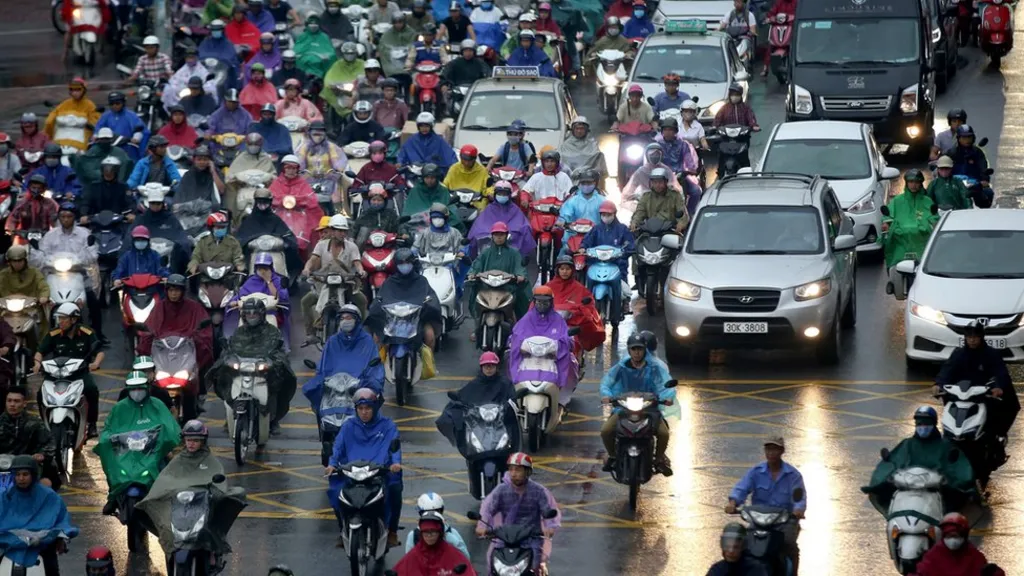
Vietnam will begin mandatory emissions inspections for motorcycles in Hanoi and Ho Chi Minh City from 2027, with nationwide rollout planned by 2030.
Subscribe to our Instagram channel for the latest info and news!
Vietnam is taking a big step toward cleaner air, with a new plan that will introduce mandatory emissions inspections for motorcycles and mopeds. The rollout will begin in Hanoi and Ho Chi Minh City on July 1, 2027, before expanding across the country in the years that follow.
The roadmap, issued under Decision No. 13/2026/QD-TTg, sets a phased approach. After the initial launch in the two major cities, other urban areas will follow in 2028, with full nationwide implementation by 2030. Local authorities can also move earlier if they are ready.
The new rules group vehicles by their production year and assign emissions standards accordingly. Motorcycles built before 2008 will fall under Level 1, the most lenient category. Those made between 2008 and 2016 must meet Level 2 standards. Bikes produced from 2017 to mid-2026 will need to comply with Level 3, while anything built from July 1, 2026 onwards must meet the stricter Level 4 limits.
Mopeds follow a similar structure, though with slightly different cut-off dates. Models built before 2016 fall under Level 1. Those produced from 2017 to mid-2027 must meet Level 2. From July 1, 2027, all newly manufactured mopeds will be required to meet Level 4 standards.
One key detail stands out. Starting January 1, 2028, all motorcycles and mopeds operating in Hanoi and Ho Chi Minh City must meet at least Level 2 standards, no matter when they were made. This means many older bikes will either need upgrades or could face restrictions.
There is also a tighter focus on low-emission zones, especially in Hanoi. Vehicles entering these areas will need to meet specific standards set by local authorities, adding another layer of control in the busiest parts of the city.
Motorcycles remain the backbone of daily transport in Vietnam, so these changes will affect millions of riders. While the shift may take some adjustment, it points to a future where cleaner, more efficient bikes become the norm on the country’s crowded streets.











Facebook
Instagram
X (Twitter)
YouTube
LinkedIn
RSS