

As electric vehicles gain momentum worldwide, many Malaysian riders are asking whether electric motorcycles are finally practical for daily use, or still too early for mass adoption.
Subscribe to our Instagram Channel for instant news & updates!
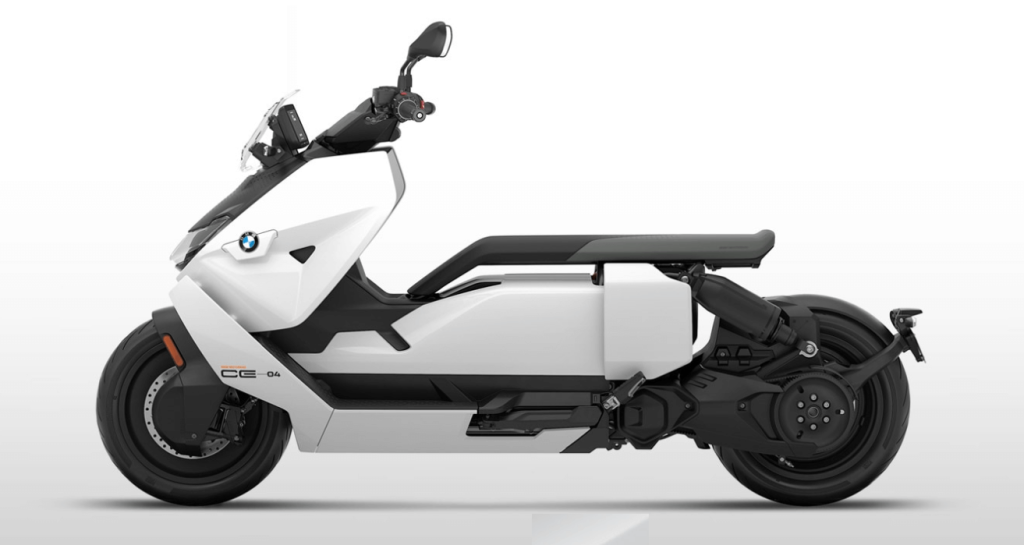
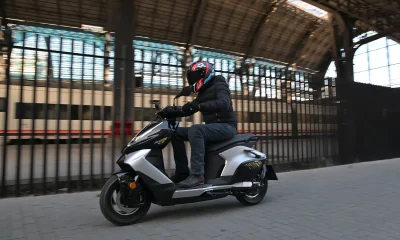
Electric motorcycles, or EV bikes, are becoming more common in discussions about the future of transportation in Malaysia. With rising fuel prices, increasing environmental awareness, and rapid improvements in battery technology, many riders are starting to consider whether it is finally the right time to switch from petrol-powered bikes to electric alternatives.
However, the decision is not as simple as it seems. While EV bikes offer several advantages, there are still challenges that affect practicality, especially in the Malaysian context.
The Growing Interest in EV Bikes
Interest in electric motorcycles has grown steadily in recent years. More brands are entering the market, offering models that promise lower running costs and smoother riding experiences.
In urban areas, EV bikes are starting to attract attention from commuters who are looking for cheaper and more convenient alternatives to petrol motorcycles. This growing interest is driven mainly by fuel price fluctuations and the rising cost of vehicle maintenance.
Lower Running Costs and Simplicity
One of the biggest advantages of EV bikes is their lower running cost. Electricity is generally cheaper than petrol, and EV motorcycles have fewer moving parts compared to internal combustion engines.
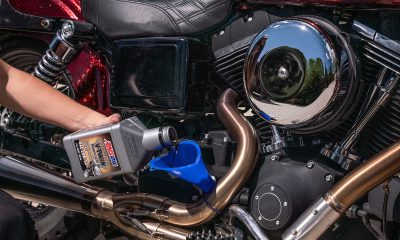
This means less maintenance, fewer oil changes, and reduced long-term servicing costs. For daily commuting in the city, this simplicity is one of the strongest selling points of electric motorcycles.
Charging Infrastructure in Malaysia
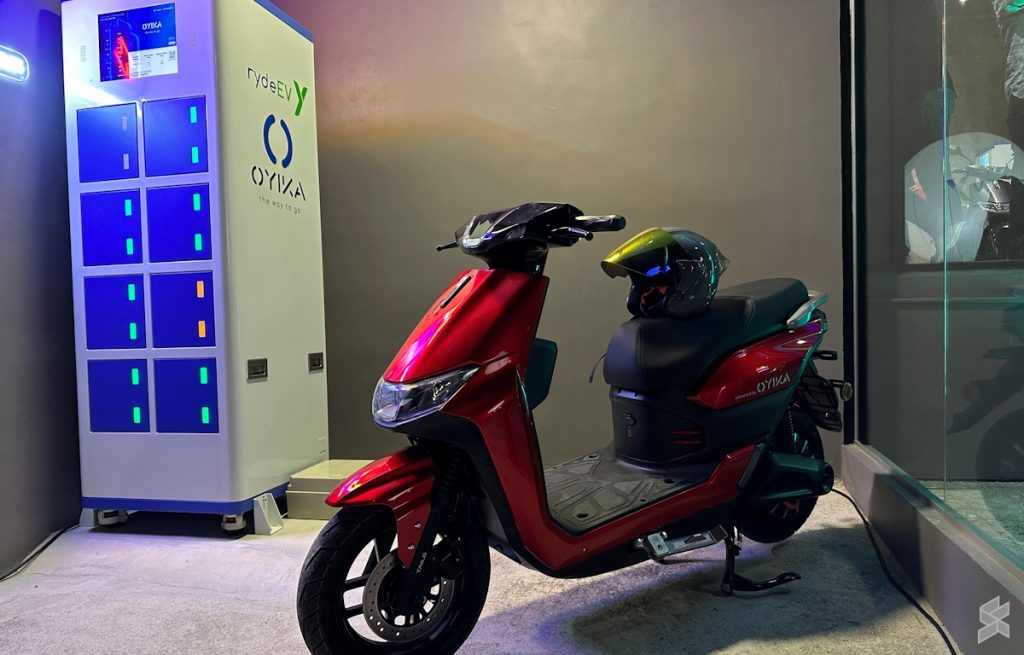
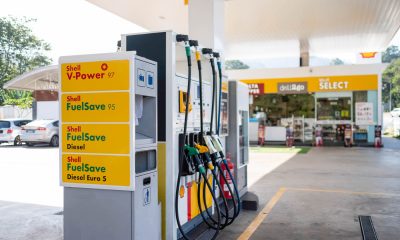
Despite the advantages, charging infrastructure remains one of the main concerns. While Malaysia has been expanding its EV charging network, most of it is still focused on electric cars rather than motorcycles.
Home charging is possible for many users, but riders living in apartments or without dedicated parking spaces may find it less convenient. This limits the flexibility that petrol motorcycles are able to currently offer.
Range and Real-World Usage
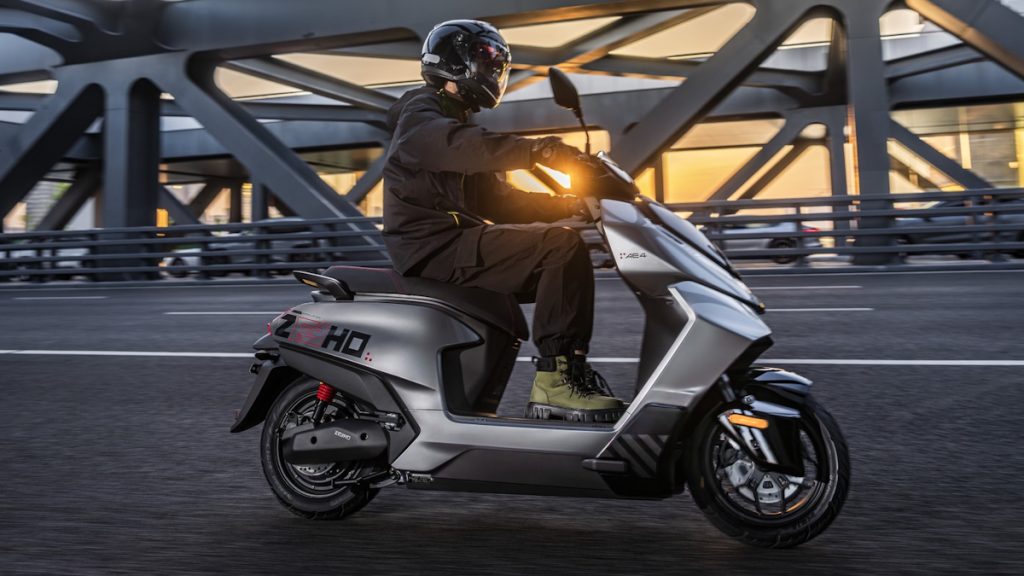
Another important factor is riding range. Most EV bikes currently available are suitable for short to medium-distance travel, making them ideal for city commuting.
However, for riders who frequently travel long distances or ride between states, range anxiety can still be a concern. In real-world conditions such as traffic, heat, and frequent stops, battery performance may also have an affect.
Maintenance and Long-Term Ownership
EV bikes generally require less mechanical maintenance compared to petrol motorcycles. There is no engine oil, clutch system, or complex transmission to maintain. However, battery health becomes the most important factor over time.
Battery replacement costs and long-term durability are still concerns for many riders, especially in terms of resale value and long-term ownership expenses.
Are EV Bikes Practical for Malaysia Right Now?
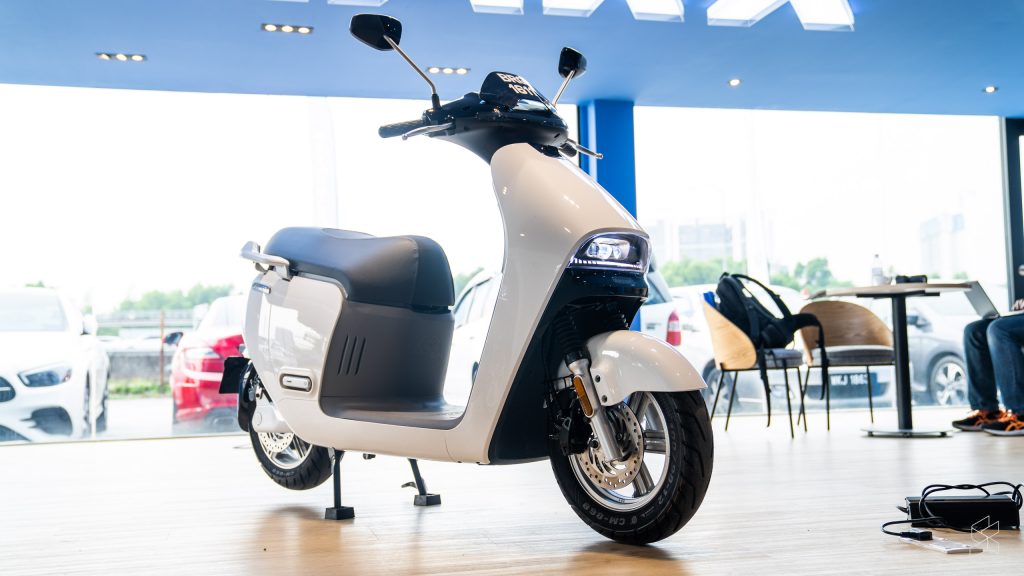
In urban areas such as Kuala Lumpur, Penang, and Johor Bahru, EV bikes are becoming more practical for short daily commutes. They are especially suitable for riders who travel predictable routes and have access to charging at home or work.
However, for long-distance riders, rural users, or those who need maximum flexibility, petrol motorcycles still remain the more reliable option for the time being.
Conclusion
So, is now the right time for EV bikes to the change the Malaysian motorcycle game? The answer depends on usage. For city commuters looking for lower running costs and simpler maintenance, EV bikes are already becoming a viable option. However, for riders who need long range, fast refuelling, and maximum flexibility, petrol motorcycles still have the upper hand.
As technology and infrastructure continue to improve, EV bikes are likely to become more practical in the near future, but the transition in Malaysia is still in its early stages.





Facebook
Instagram
X (Twitter)
YouTube
LinkedIn
RSS