

The 2026 Yamaha Tricity 300 becomes the first production scooter with Autoliv’s airbag system, marking a major step forward in motorcycle safety.
Subscribe to our Instagram Channel for instant news & updates!
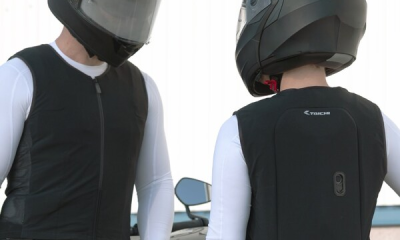
After years of development and big promises, motorcycle airbag technology is finally taking a real step into the mainstream. The updated 2026 Yamaha Tricity 300 is now the first production model to feature a new-generation airbag system developed by Autoliv, Inc..
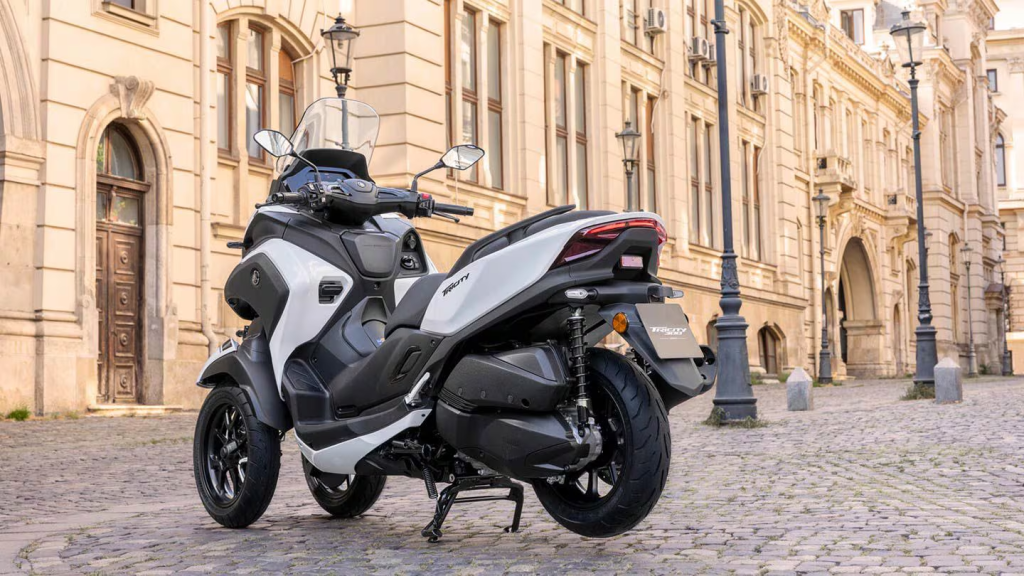
While it’s technically a leaning three-wheeled scooter rather than a traditional motorcycle, the Tricity still falls under the same category and more importantly, it shows where rider safety tech is heading next.
A Compact Airbag Built for Real-World Riding
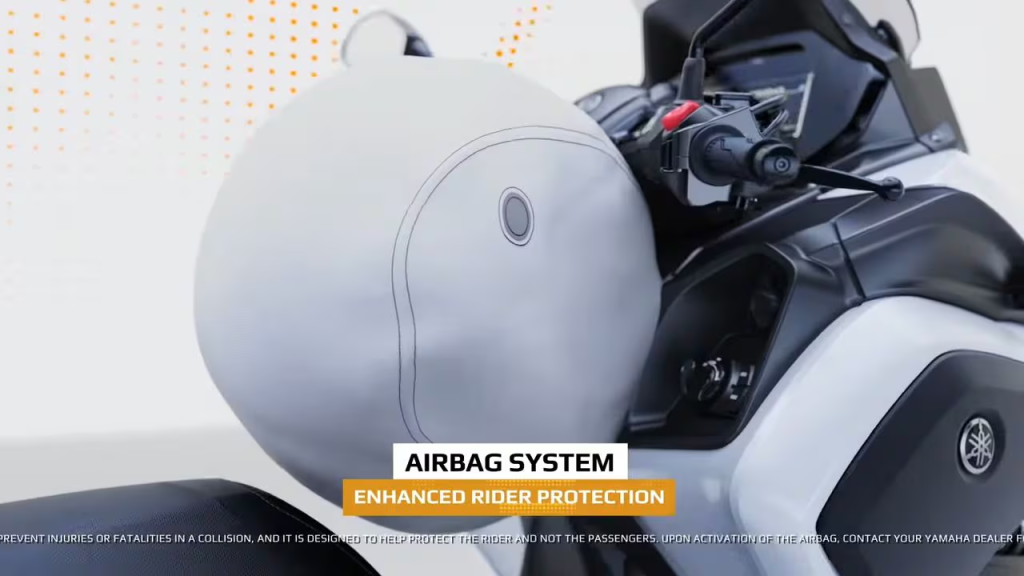
This new airbag setup improves on earlier, bulkier systems by being smaller and more practical. Mounted just below the handlebars in place of a small storage compartment, it inflates toward the rider’s chest and torso in a frontal collision, helping prevent the rider from being thrown forward.
This is a big evolution from earlier attempts, including the system used on the Honda Gold Wing—the only production motorcycle to previously feature an airbag. That bike’s size and riding position made it ideal for such technology, but applying it to smaller, more accessible machines has always been the bigger challenge.
Why Scooters Make Sense
Motorcycle airbags come with unique challenges. Riders aren’t strapped in like car occupants, and crashes happen fast, leaving very little time for systems to react. That’s why adoption has been slow.
But scooters like the Tricity 300 may be the perfect starting point.
They’re typically used in urban environments, where lower speeds and common “vehicle pulls out in front of you” accidents create the exact conditions where an airbag can be most effective. The upright riding position and predictable body placement also help the system work as intended.
More Than Just Safety
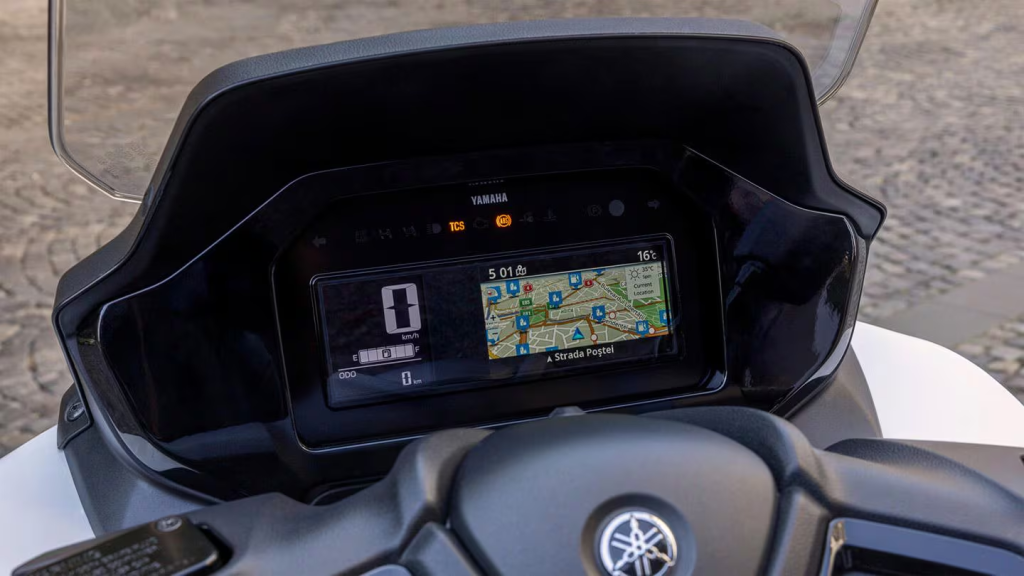
The 2026 Tricity 300 isn’t only about the airbag. It also gets a solid tech upgrade, including a new TFT display with navigation, smartphone connectivity, and improved instrumentation. An inertial measurement unit (IMU) adds cornering ABS and a linked braking system, improving stability and control.
There’s also a “Standing Assist System” that helps keep the scooter upright at low speeds or when stopped, something especially useful given its three-wheel design.
Powering the scooter is Yamaha’s 292cc single-cylinder engine, delivering a balance of efficiency and everyday usability, making it ideal for city commuting.
A Glimpse Into the Future
This collaboration between Yamaha Motor Company and Autoliv is about more than just one model—it’s a preview of what’s coming next.
If the system proves successful, there’s no reason it couldn’t be adapted to other scooters or even traditional motorcycles. For Autoliv, it’s another step toward its broader goal of saving lives by expanding safety technology beyond cars.
And for riders, it could mark the beginning of a new era, where advanced protection isn’t just optional, but expected.












Facebook
Instagram
X (Twitter)
YouTube
LinkedIn
RSS