

Why rider physique and individual riding style play a crucial role in bike setup, lap times, tire wear, and overall performance in MotoGP
Subscribe to our Instagram Channel for instant news & updates!
In MotoGP, two riders can ride the same bike and still produce very different results. While engine power and aerodynamics matter, rider weight and riding style have a major influence on how a MotoGP bike behaves on track. Teams spend a lot of time adjusting bike setup to suit each rider’s physical build and personal riding approach.
Even small differences in weight, posture, and braking style can affect acceleration, tire wear, cornering stability, and race consistency. This is why MotoGP bikes are never truly “one size fits all.”
Why Rider Weight Matters in MotoGP
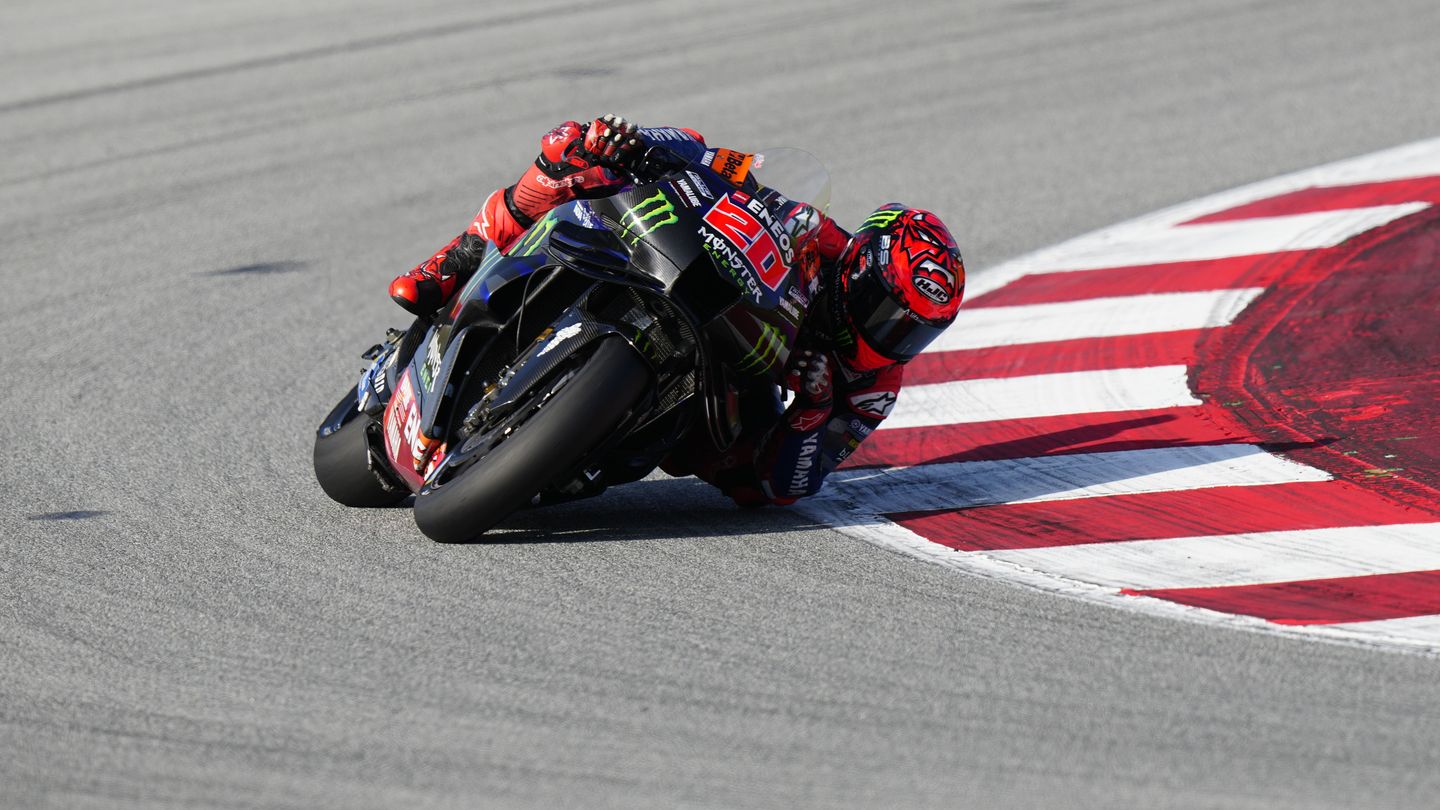
Rider weight directly affects how a MotoGP bike accelerates, brakes, and changes direction. A lighter rider may benefit from quicker acceleration and reduced tire stress, while a heavier rider can provide more stability during braking and corner entry.
However, weight distribution is just as important as total weight. How a rider moves on the bike during braking, cornering, and acceleration changes how load is transferred between the front and rear tires. Teams adjust suspension, preload, and electronics to ensure the bike remains balanced regardless of rider weight.
The Impact of Riding Style on Bike Behavior
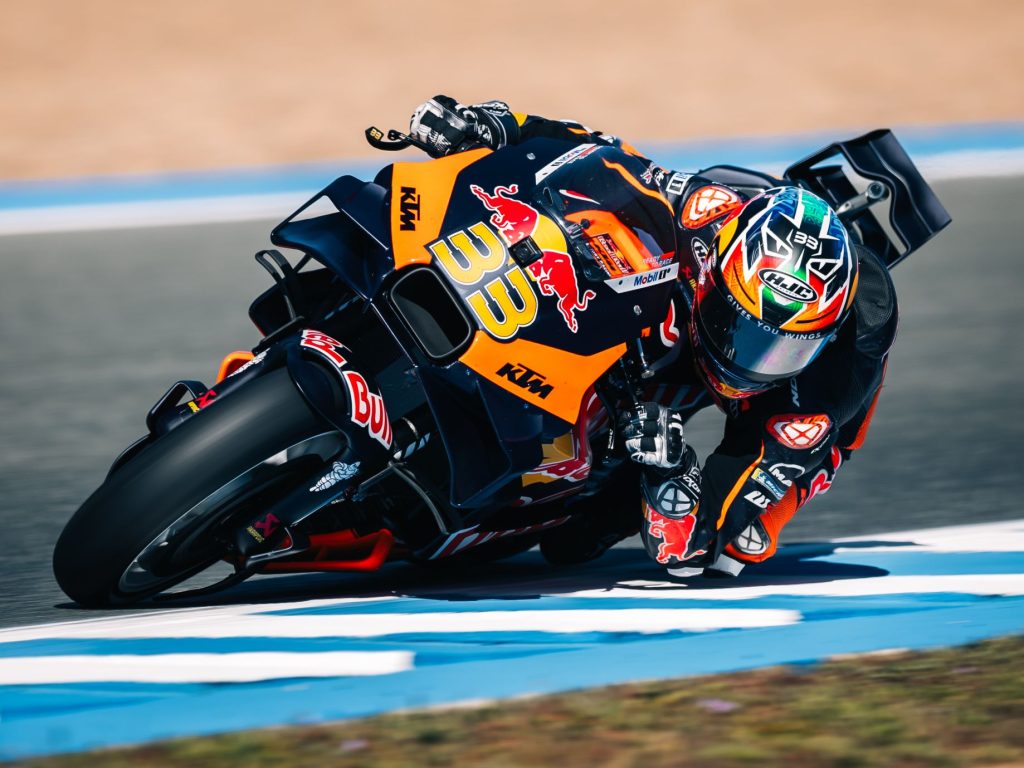
Every MotoGP rider has a unique riding style. Some riders brake hard and late, while others rely on smooth corner speed. These differences significantly affect how the bike performs throughout a lap.
Aggressive braking styles place more stress on the front tire and suspension. Riders who carry high corner speed demand strong mid-corner stability and precise throttle control. Because of this, suspension settings, engine braking, and traction control are carefully tuned to match how each rider rides the bike.
Tire Wear and Consistency Over a Race
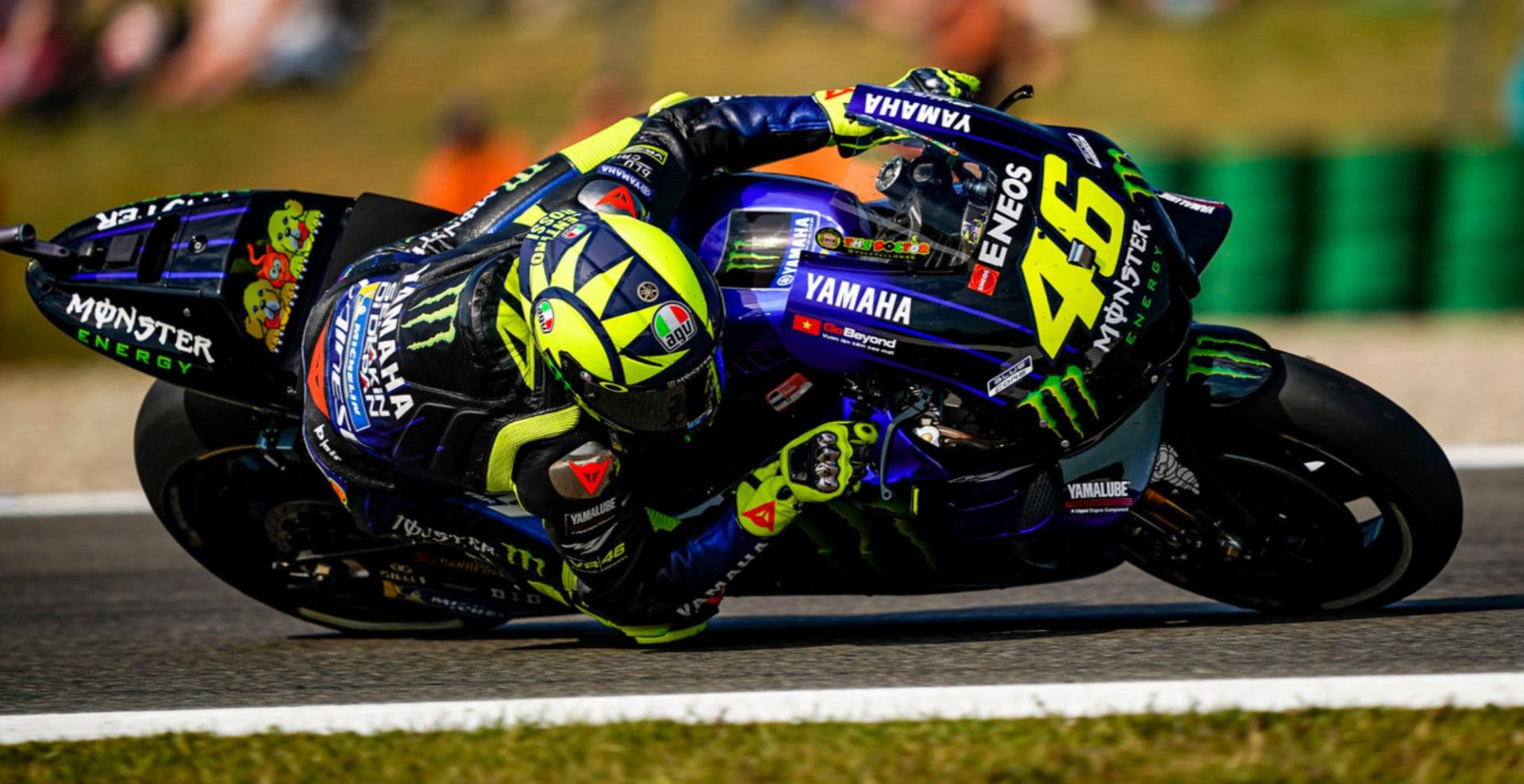
Rider weight and style also play a major role in tire wear. A heavier rider or an aggressive riding style can increase tire temperature and accelerate degradation. This affects grip toward the end of a race and can decide whether a rider can defend or attack in the final laps.
Teams analyze data from practice sessions to adjust tire pressure, suspension, and electronics. The goal is to ensure tires last the full race distance while maintaining competitive lap times.
Bike Setup Adjustments for Different Riders
MotoGP engineers constantly adapt bike setup to suit individual riders. Suspension stiffness, ride height, braking response, and electronics are all adjusted to compensate for differences in weight and riding style. Even seating position and fuel load management are considered. These fine adjustments help riders feel confident and push the bike to its limits without losing control or consistency.
Why This Makes MotoGP So Competitive
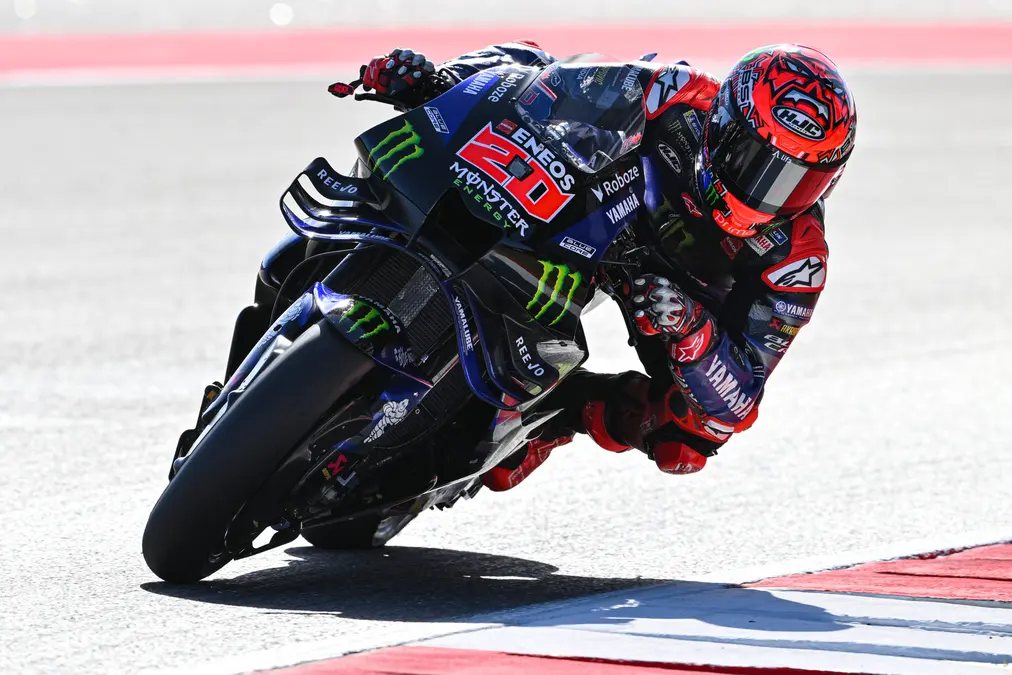
The relationship between rider and machine is one of the reasons MotoGP is so unpredictable. A bike that suits one rider perfectly may not work for another, even within the same team. Success depends on how well engineers and riders work together to create a setup that matches both physical characteristics and riding style. This constant adaptation is what separates good performances from race-winning ones.
Conclusion
Rider weight and riding style have a significant impact on MotoGP bike performance. From acceleration and braking to tire wear and race consistency, these factors influence every part of a race weekend. By tailoring bike setup to each rider, MotoGP teams ensure that riders can extract maximum performance while staying competitive and safe at the highest level of motorcycle racing.













Facebook
Instagram
X (Twitter)
YouTube
LinkedIn
RSS