

A closer look at how seamless transmission technology allows MotoGP bikes to shift gears without cutting power, improving acceleration, stability, and lap times.
Subscribe to our Instagram Channel for instant news & updates!
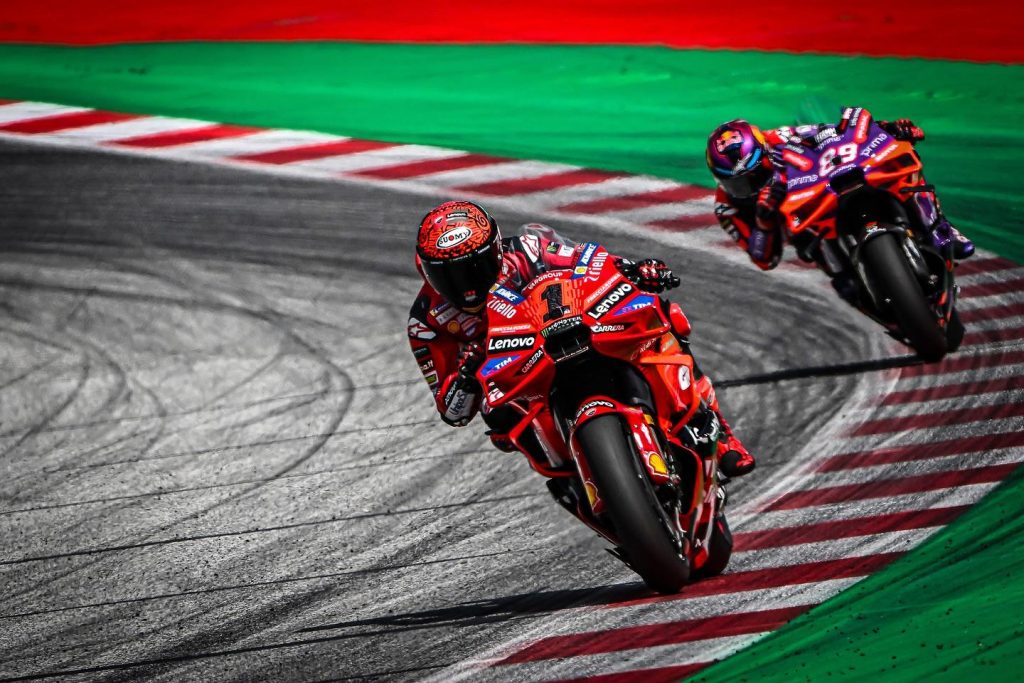
One of the most advanced and least understood pieces of technology in MotoGP is the seamless gearbox. While casual fans may focus on aerodynamics or engine power, the gearbox plays a critical role in how effectively a MotoGP bike accelerates and maintains stability under extreme conditions.
Seamless gearboxes allow riders to shift gears without interrupting power delivery, giving them a significant advantage on track. Understanding why MotoGP uses seamless gearboxes helps explain how modern race bikes achieve such smooth acceleration and razor-sharp performance.
What Is a Seamless Gearbox?
A seamless gearbox is a transmission system designed to allow gear changes without a noticeable interruption in torque delivery to the rear wheel. Unlike conventional motorcycle gearboxes, which momentarily cut power during shifts, seamless systems overlap gear engagement to ensure continuous drive. This results in smoother acceleration, reduced drivetrain shock, and improved stability, especially when shifting at full throttle.
How Seamless Gearboxes Work in MotoGP
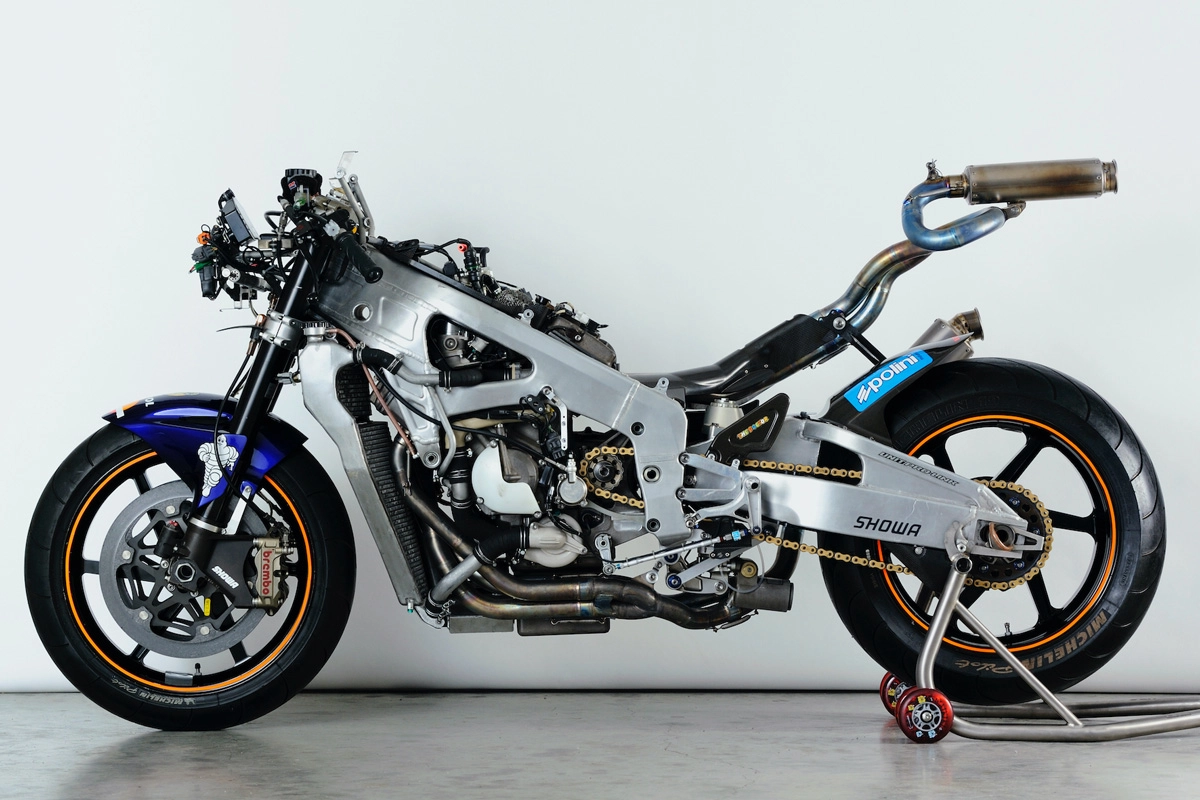
In a traditional gearbox, one gear disengages before the next gear engages. A seamless gearbox uses a more complex mechanism that allows the next gear to begin transmitting torque before the previous gear fully disengages. This overlap eliminates the brief loss of power that normally occurs during gear changes. The system works in close coordination with advanced electronics, engine mapping, and clutch control to ensure precise timing during every shift, even at extremely high engine speeds.
Why Power Interruption Is a Problem in Racing
In MotoGP, even a fraction of a second without power can affect lap times and bike stability. Power interruptions during gear shifts can unsettle the chassis, especially when the bike is leaned over or accelerating hard out of corners. Seamless gearboxes reduce these disturbances, allowing the bike to remain more stable and predictable. This stability gives riders greater confidence to push harder during acceleration zones.
Performance Benefits on Track
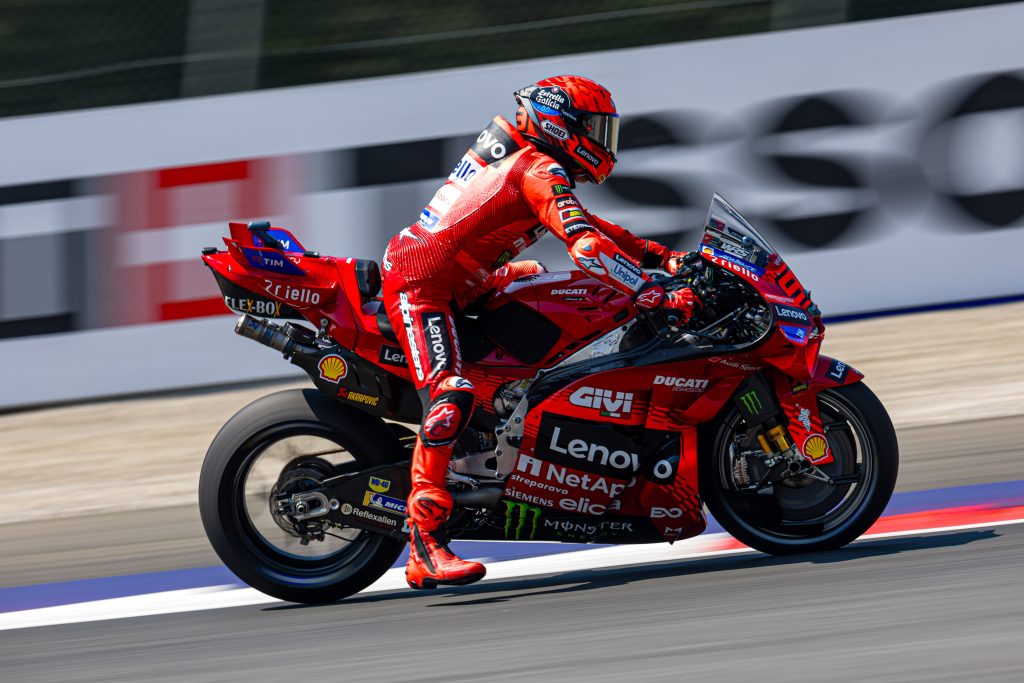
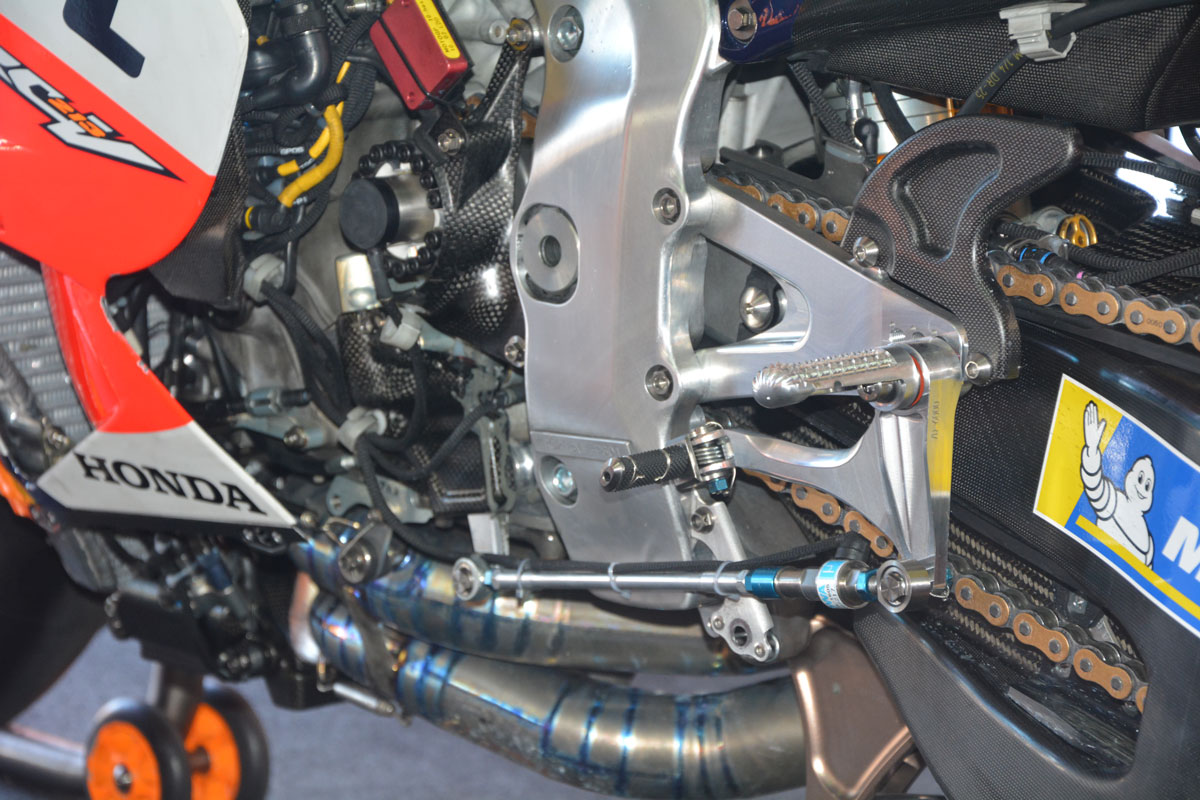
The most obvious benefit of a seamless gearbox is improved acceleration. Continuous power delivery allows the bike to maintain momentum, particularly on long straights and corner exits. Over a full lap, these small gains can add up to significant time savings. Additionally, reduced drivetrain shock means less stress on components such as chains, sprockets, and rear suspension, contributing to better mechanical reliability during races.
Why Seamless Gearboxes Are Not Used on Road Bikes
Despite their advantages, seamless gearboxes are extremely complex, expensive, and difficult to maintain. They require precise manufacturing tolerances and constant monitoring, making them impractical for mass-production motorcycles. For everyday riding, the performance gains would not justify the cost or maintenance requirements. This is why seamless gearbox technology remains exclusive to top-level racing environments like MotoGP.
How Seamless Gearboxes Changed MotoGP Racing
Since their introduction, seamless gearboxes have raised the overall performance level of MotoGP bikes. Faster gear changes allow riders to focus more on racing lines, braking points, and tyre management rather than managing shifts. This technology has contributed to closer racing and higher average speeds, further pushing the boundaries of what MotoGP bikes can achieve.
Conclusion
Seamless gearboxes are a key reason MotoGP bikes accelerate so smoothly and efficiently at extreme speeds. By eliminating power interruptions during gear shifts, this technology improves stability, performance, and rider confidence. While unlikely to appear on production motorcycles anytime soon, seamless gearboxes remain a perfect example of how cutting-edge engineering defines modern MotoGP racing.














Facebook
Instagram
X (Twitter)
YouTube
LinkedIn
RSS