

Understanding how modern motorcycles adjust power delivery, throttle response, and traction through ride modes, and what it means for your safety and riding experience.
Subscribe to our Instagram Channel for instant news & updates!
Modern motorcycles are packed with technology, and one feature that has gained significant attention is ride modes. These modes allow riders to customize how their bike behaves, adjusting factors like power output, throttle response, traction control, and sometimes even suspension settings.
While some riders treat ride modes as a convenience, understanding their actual impact on performance can help you ride safer, preserve your bike, and get the most enjoyment out of every ride.
What Are Motorcycle Ride Modes?
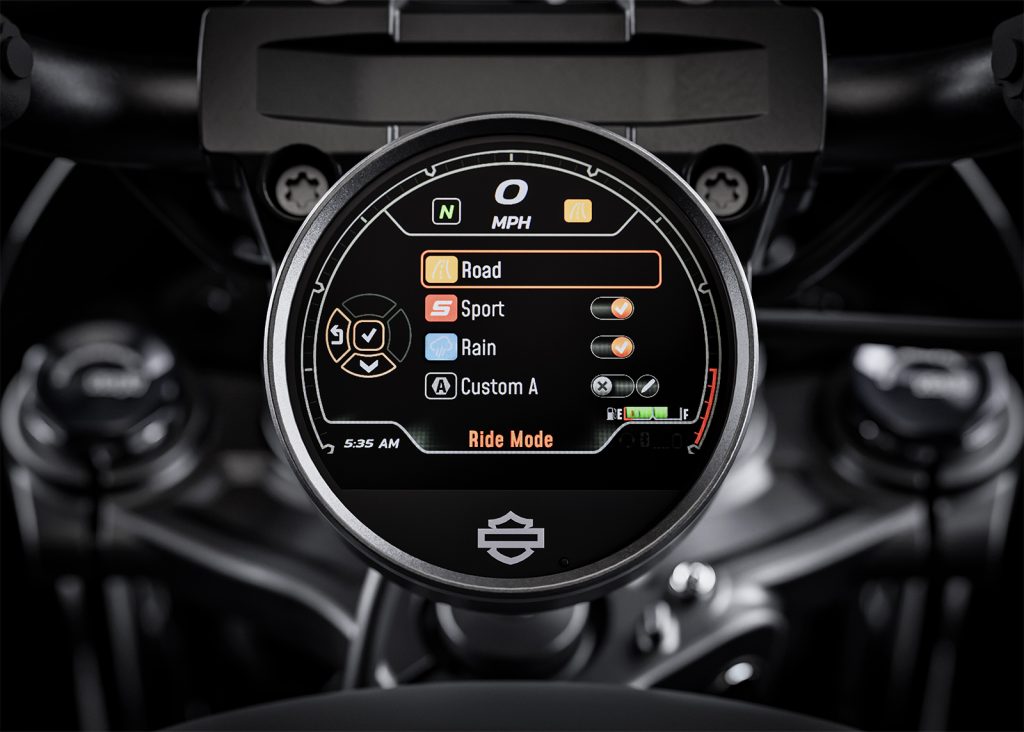
Ride modes are pre-programmed settings in a motorcycle’s electronic control system that change how the engine and other components respond to rider input. Typically, motorcycles have multiple modes, commonly labeled as Sport, Road, Rain, and Off-road, but some bikes include more advanced options, such as customizable modes or track-specific settings. Each mode adjusts the bike’s characteristics to suit different riding conditions or rider preferences.
Throttle Response and Power Delivery
One of the most noticeable differences between ride modes is how the throttle responds. In Sport mode, the engine is often allowed to deliver full power immediately, giving a sharper, more aggressive response. Road or Rain modes reduce peak power and smooth throttle input to prevent wheelspin and improve stability on wet or slippery roads. This difference is particularly important for riders who commute in unpredictable weather or ride on challenging terrain.
Traction Control and Safety Features
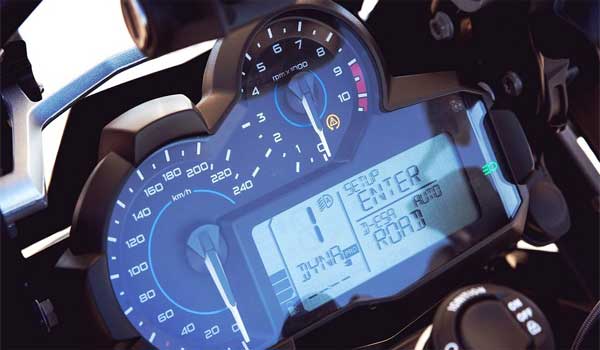
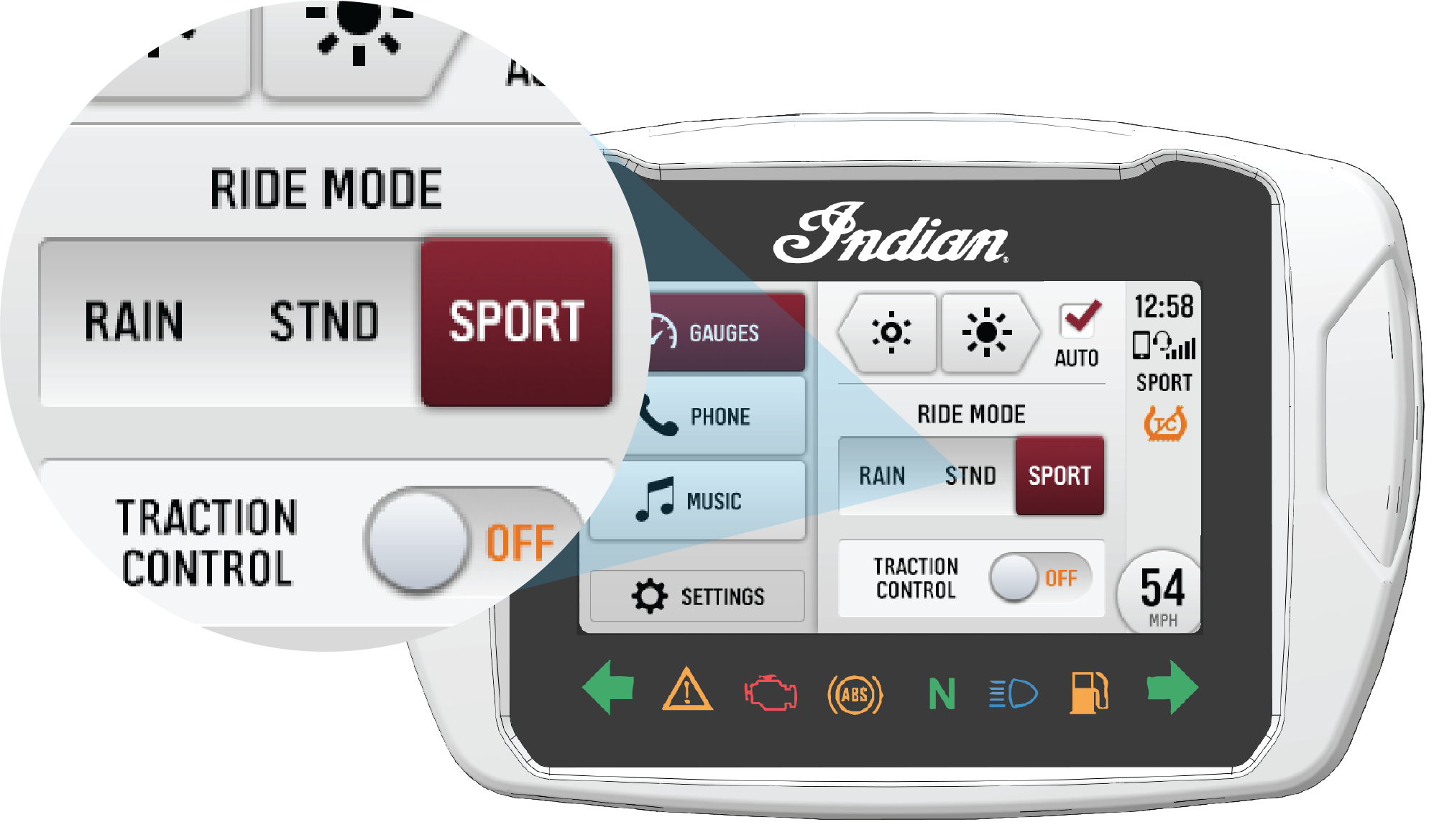
Ride modes also influence traction control and other electronic aids. In Sport mode, traction control may intervene less aggressively, allowing skilled riders to push the bike closer to its limits. In contrast, Rain or Touring modes typically have stricter traction control settings, reducing the chance of wheelspin and enhancing safety. Understanding these differences can be critical, especially for less experienced riders, as the same throttle input can produce very different results depending on the selected mode.
Suspension and Chassis Adjustments
Some modern motorcycles go beyond engine and traction settings. Advanced bikes with semi-active or fully electronic suspension systems can adjust damping and preload based on the chosen ride mode. Sport mode might provide firmer suspension for better feedback and cornering stability, while Road or Rain modes prioritize comfort and compliance on uneven surfaces. This integration of engine, electronics, and suspension ensures that the bike behaves optimally in various conditions.
How Ride Modes Affect Riding Experience
Choosing the right ride mode can dramatically change your riding experience. Sport mode offers maximum thrill and performance, but requires precise control and attention. Road or Touring modes are ideal for daily commutes or long-distance rides, prioritizing comfort and predictability. Rain or Off-road modes reduce risks in slippery or uneven environments, making the bike easier to handle and safer for less experienced riders.
Riders should also remember that ride modes do not replace good riding skills or caution. Even in safer modes, mistakes in throttle, braking, or cornering can still lead to accidents.
Why Understanding Ride Modes Matters
Many riders use ride modes without fully understanding their impact, often switching based on habit rather than conditions. By learning how each mode affects performance, riders can make smarter choices on the road, preserve tires and engine components, and improve overall safety. Familiarity with ride modes also allows riders to adapt quickly in unexpected situations, such as sudden rain, traffic congestion, or challenging terrain.
Conclusion
Ride modes are more than a marketing feature, they are a sophisticated combination of electronics, engine mapping, traction control, and sometimes suspension. Each mode changes how the motorcycle reacts to throttle input, road conditions, and rider skill. Understanding and using ride modes correctly can enhance safety, comfort, and performance, making every ride more enjoyable and controlled, whether on city streets, highways, or winding mountain roads.













Facebook
Instagram
X (Twitter)
YouTube
LinkedIn
RSS