

Understanding the psychology behind motorcycle modifications, from performance upgrades to aesthetic changes, and why many riders continue to customize their bikes despite legal, financial, and safety risks.
Subscribe to our Instagram Channel for instant news & updates!
Motorcycle modification is deeply rooted in riding culture. From aftermarket exhaust systems and performance tuning to cosmetic upgrades and custom paintwork, riders often feel compelled to make their bikes uniquely theirs. While some modifications improve comfort or functionality, others introduce legal, mechanical, or safety risks. Yet, even when riders are aware of these risks, many still proceed.
This raises an interesting question: why do riders modify their motorcycles, even when it could void warranties, attract fines, or affect reliability?
Identity and Self-Expression
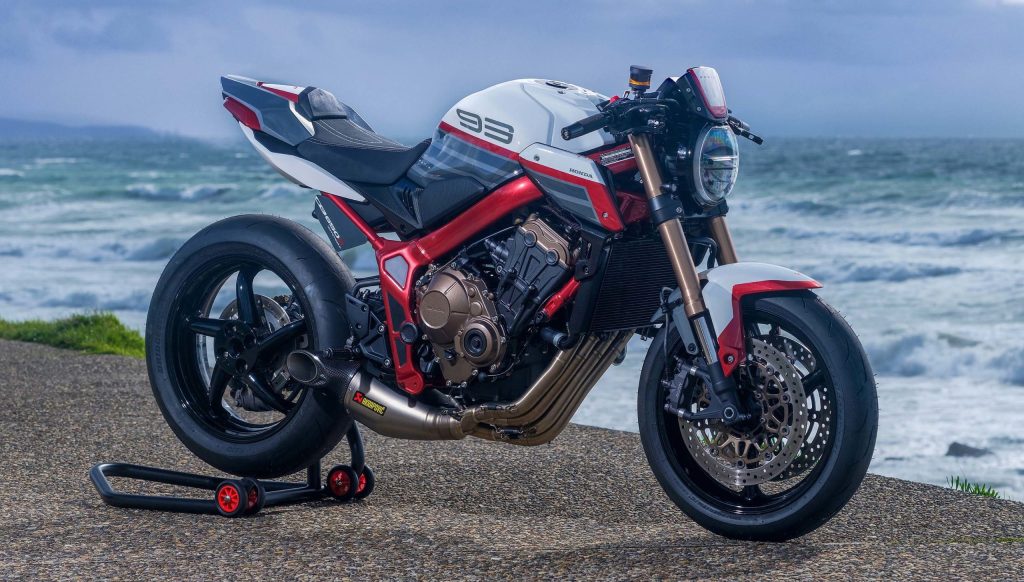
For many riders, a motorcycle is more than just transportation. It represents identity, personality, and lifestyle. Modifying a bike allows riders to express individuality in a way that factory specifications cannot. Whether it is a louder exhaust, lowered suspension, or aesthetic body kits, customization makes the motorcycle feel personal.
The desire for uniqueness often outweighs practical considerations. Riding something that stands out can create a sense of pride and belonging within certain communities.
The Pursuit of Performance
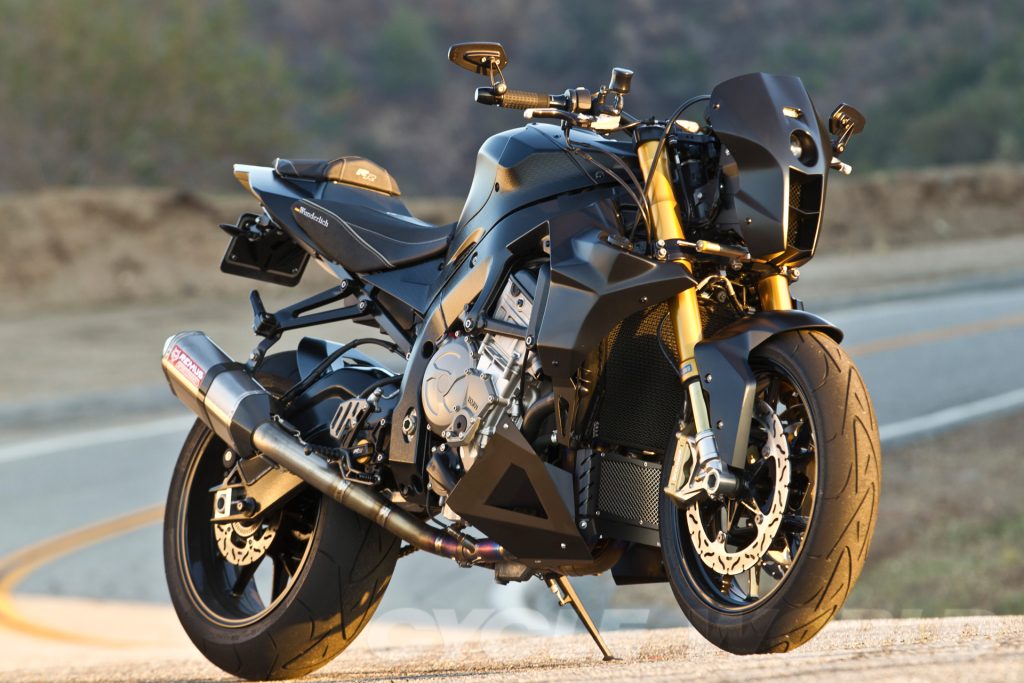
Performance upgrades are another major motivation. Riders may believe that aftermarket parts improve acceleration, sound, or overall riding experience. In some cases, upgrades like better suspension or brake systems genuinely enhance safety and control.
However, not all modifications are balanced. Engine tuning, ECU remapping, or aggressive exhaust changes can strain components if not properly configured. Despite this, the psychological reward of “more power” often feels worth the potential long-term cost.
Influence of Social Media and Community Culture
Modern riding culture is heavily influenced by social media platforms and online communities. Custom builds, aesthetic trends, and performance upgrades are constantly showcased, creating a subtle pressure to modify. When riders see others upgrading their bikes, it normalises the idea that a stock motorcycle is incomplete.
This influence can sometimes overshadow practical reasoning. The desire to keep up with trends may push riders toward modifications they do not fully understand.
Emotional Attachment and Ownership
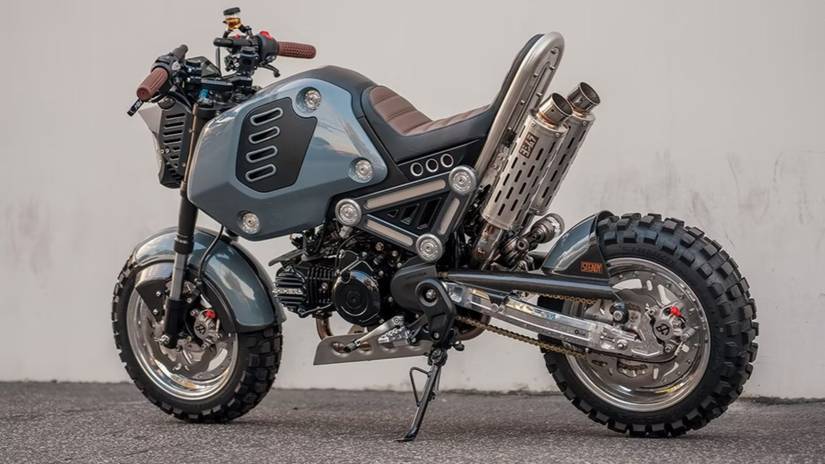
When riders feel emotionally attached to their motorcycles, they are more likely to invest in upgrades. Modifying a bike strengthens that bond. Each change represents time, money, and personal involvement. This emotional investment can make it difficult to reverse decisions, even if problems arise later. The motorcycle becomes a project rather than just a machine.
Risk Awareness vs Risk Acceptance
Interestingly, many riders are aware of the risks associated with modifications. They understand potential warranty issues, insurance complications, and mechanical wear. However, risk perception varies from person to person.
Some riders see modifications as manageable risks, especially if they believe they can control or maintain the changes properly. Others accept the possibility of future repairs as part of the customization journey.
Balancing Passion and Practicality
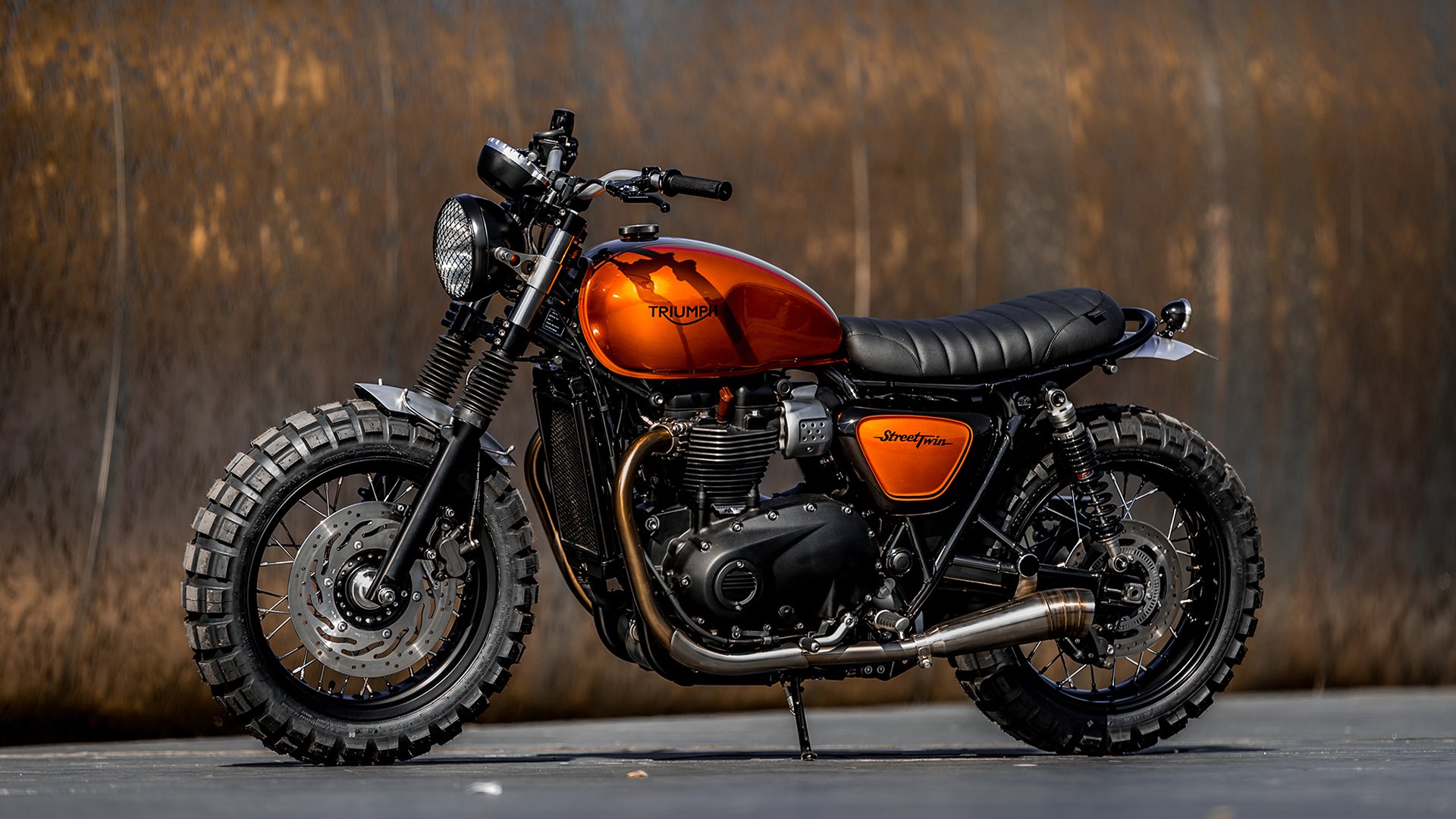
Motorcycle modification is not inherently negative. In fact, thoughtful upgrades can improve comfort, safety, and enjoyment. The key lies in understanding the mechanical implications, legal requirements, and long-term costs before making changes.
Riders who approach modification with research and balance are more likely to enjoy the benefits without facing avoidable consequences.
Conclusion
Riders modify their motorcycles for many reasons, including identity, performance, community influence, and emotional connection. Even when risks are involved, the psychological reward of personalization often outweighs practical concerns. Understanding this mindset helps explain why motorcycle modification remains a powerful and enduring part of riding culture.









Facebook
Instagram
X (Twitter)
YouTube
LinkedIn
RSS