

From stunt culture and modification trends to riding style and risk-taking, social media is quietly reshaping how modern motorcyclists think, ride, and interact with the community.

Subscribe to our Instagram Channel for instant news & updates!
Motorcycling has always been influenced by culture. In the past, that culture was shaped by local riding groups, racing events, and word-of-mouth experience. Today, however, platforms like Instagram, TikTok, and YouTube have become major forces influencing how riders behave on and off the road.
From viral stunt videos to aesthetic bike builds, social media is redefining what riders see as normal, impressive, or desirable. While this has created stronger global communities and access to knowledge, it has also introduced new pressures and risks that did not exist before.
The Rise of “Content Riding”
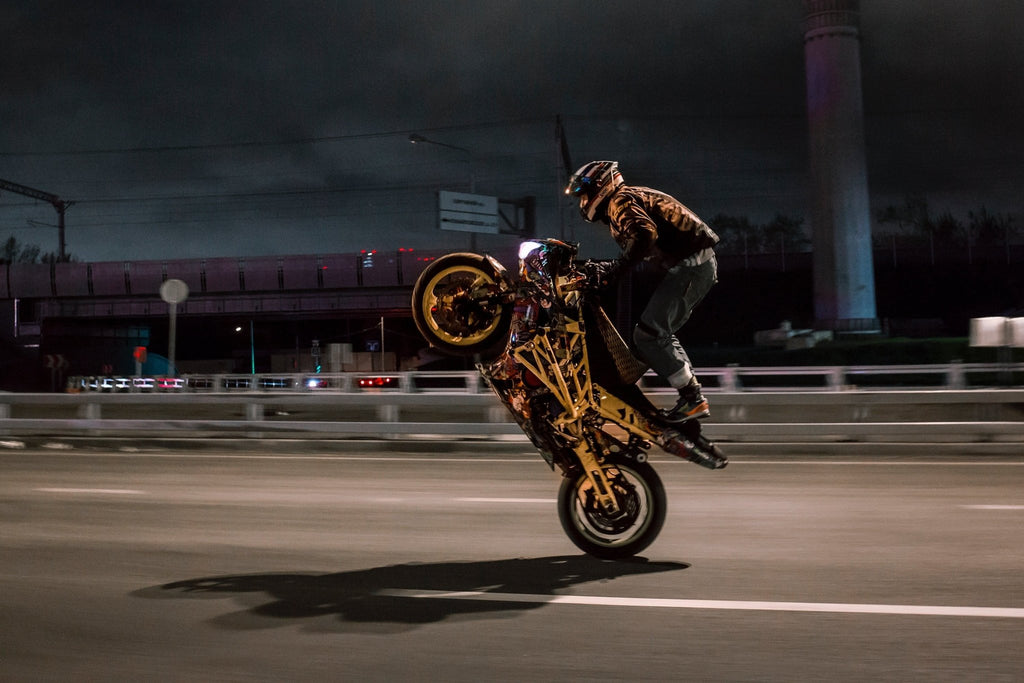
One noticeable shift is the emergence of riding specifically for content. Some riders choose routes, speeds, or even risky manoeuvres based on what looks exciting on camera rather than what is safest on the road. This does not mean all social media riding is dangerous, but the desire for engagement, views, and followers can sometimes encourage behaviour that prioritises attention over safety.
Wheelies, high-speed pulls, and aggressive lane filtering often gain more visibility than calm, defensive riding. Over time, repeated exposure to such content can subtly influence new riders into believing that these behaviours are normal or expected.
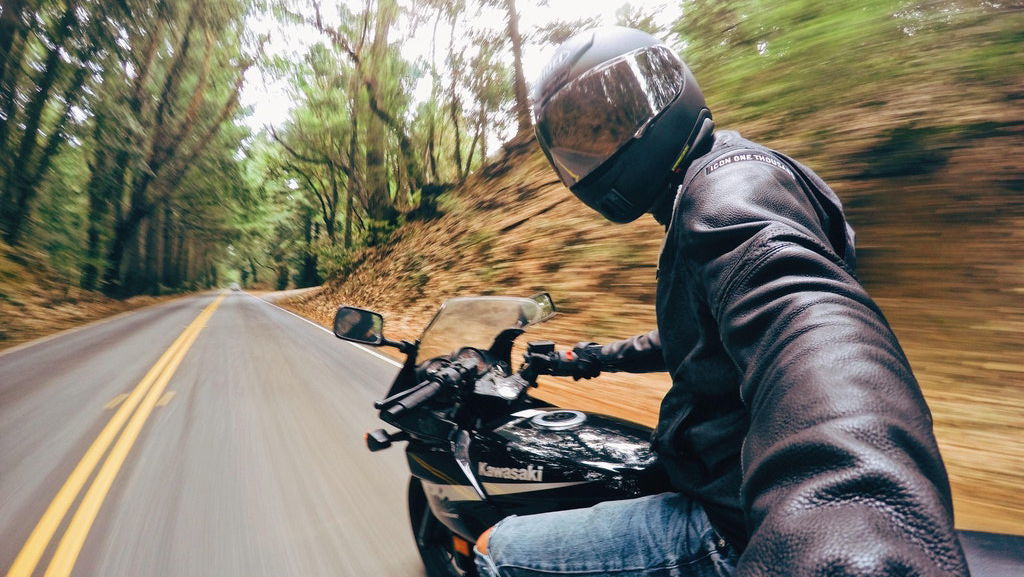
Modification Trends and Peer Influence
Social media has also accelerated motorcycle modification trends. A particular exhaust sound, body kit style, or lighting setup can become popular almost overnight. Riders may feel pressure to follow trends to stay relevant within their online community.
While customisation is part of motorcycle culture, the speed at which trends spread today can lead to impulsive decisions. Some modifications prioritise aesthetics over performance or safety, and riders may overlook long-term consequences in pursuit of social validation.
Comparison Culture and Performance Pressure
Platforms built around curated highlights often create unrealistic expectations. Riders see perfectly edited cornering shots, track-day hero moments, and high-end motorcycles, which can create subtle comparison pressure. New riders may feel inadequate with smaller bikes or limited experience.
This pressure can push some individuals to upgrade too quickly, ride beyond their skill level, or attempt techniques they are not fully prepared for. Instead of gradual skill development, there can be a desire to “prove” ability publicly.
The Positive Side of Social Media
Despite the risks, social media has also delivered significant benefits to the motorcycle community. Riders now have access to maintenance tutorials, safety advice, riding techniques, and global communities that were once difficult to reach.
Educational channels on platforms like YouTube have helped many riders learn about proper braking, body positioning, and motorcycle setup. Awareness about safety gear, defensive riding, and accident analysis has also increased. In many ways, social media has made information more accessible than ever before.
Balancing Inspiration and Responsibility
The key issue is not social media itself, but how riders interpret what they see. Inspiration can be powerful and positive when it encourages skill development and responsible riding. However, when validation becomes the goal, behaviour may shift toward risk-taking.
Motorcycling requires discipline, awareness, and respect for road conditions. Online content often shows the highlight moments, not the mistakes, close calls, or consequences behind the scenes. Understanding this difference helps riders maintain perspective.
Conclusion
Social media is undeniably shaping modern motorcycle culture. It influences how riders modify their bikes, how they ride, and how they define skill and success. While it has strengthened global connections and access to knowledge, it has also introduced new forms of pressure and behavioural change.
For today’s riders, the challenge is learning to enjoy inspiration without compromising safety. The motorcycle community is evolving, and social media is now part of that evolution. The responsibility lies with each rider to decide how that influence shapes their journey.








Facebook
Instagram
X (Twitter)
YouTube
LinkedIn
RSS