

Discover the common challenges that prevent riders from feeling at ease on the road and learn how to overcome them for a safer, more enjoyable ride.
Subscribe to our Instagram Channel for instant news & updates!
Riding a motorcycle can be one of the most exhilarating experiences, yet for many riders, confidence on the road doesn’t come naturally. While some riders feel comfortable navigating traffic and handling their bikes, others constantly second-guess their every move. This lack of confidence isn’t a reflection of skill alone, it often stems from a combination of fear, limited experience, and habits that haven’t been properly developed. Understanding why these feelings arise is the first step toward becoming a more assured, capable motorcyclist.
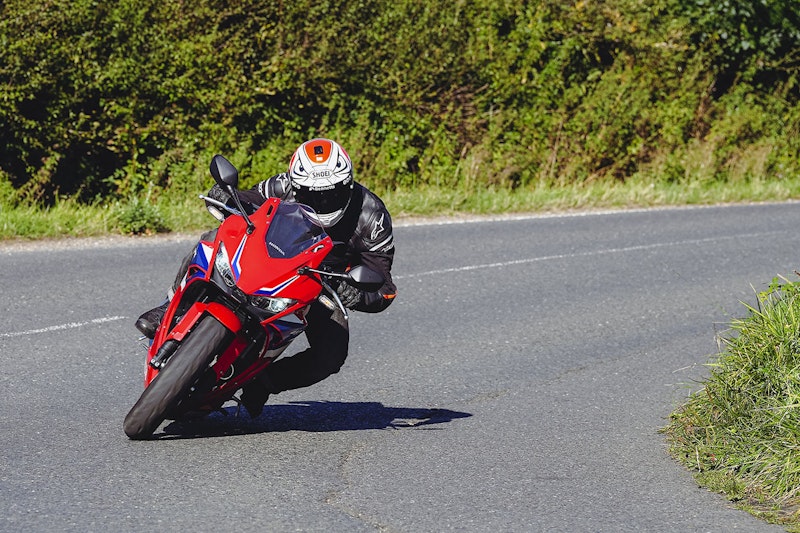
Understanding the Confidence Gap in Riding
Riding a motorcycle is not just about controlling a machine, it’s about developing a mindset that blends skill, awareness, and trust in oneself. While some riders feel at ease the moment they hit the road, others constantly doubt their abilities. This lack of confidence can stem from multiple factors, ranging from inexperience to psychological barriers, and it often affects how safely and comfortably a rider can enjoy the ride.
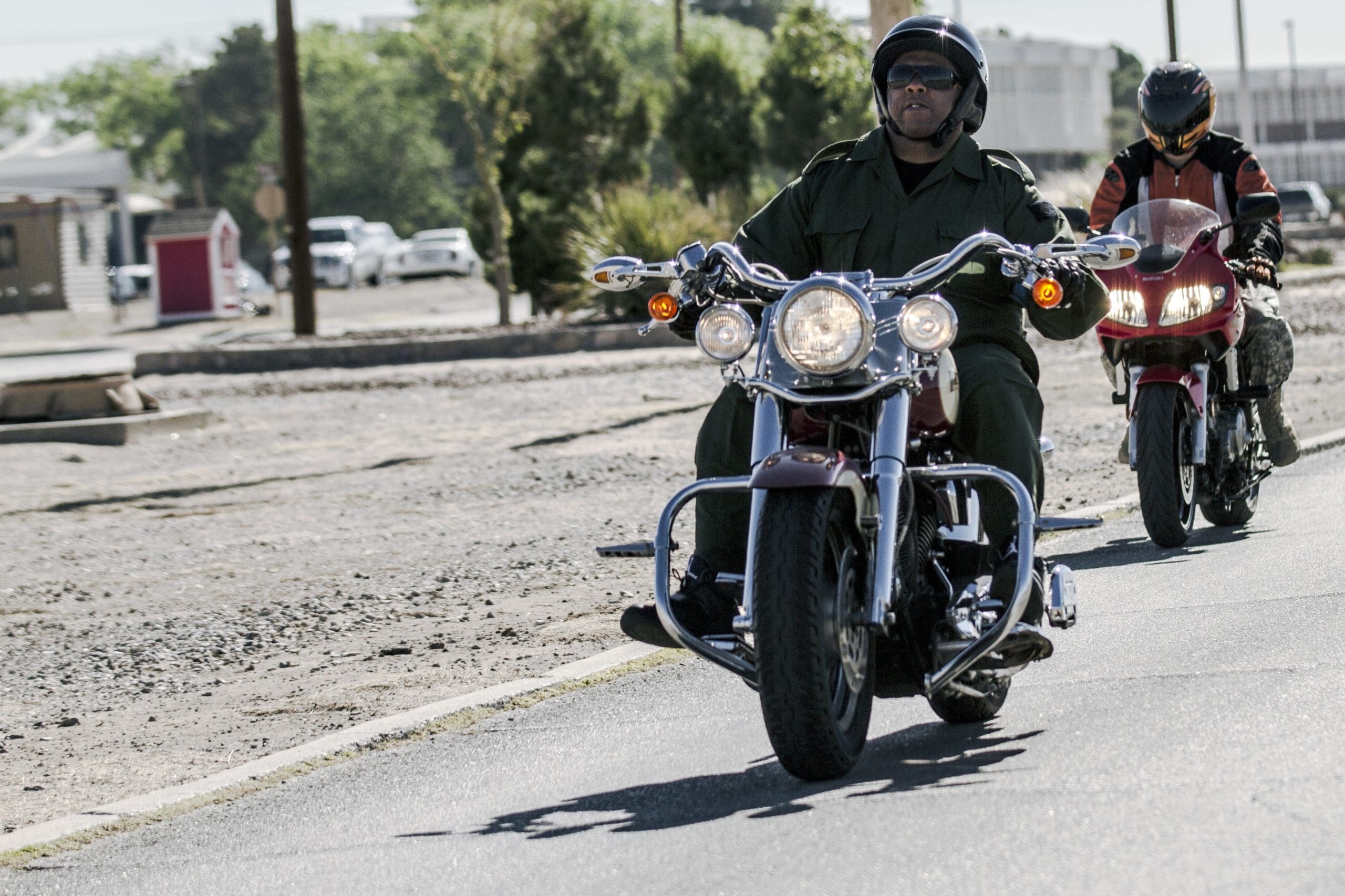
The Role of Experience and Skill
A significant reason some riders struggle with confidence is the lack of practical experience. Riding a motorcycle involves coordinating balance, throttle, brakes, and steering, all while anticipating traffic movements. New riders may feel overwhelmed by the constant multitasking, which can lead to hesitation or fear in critical situations. Even seasoned riders may experience dips in confidence when attempting new maneuvers, riding in unfamiliar environments, or switching to a different type of motorcycle.

Fear and Anxiety on the Road
Emotional factors play a huge role in riding confidence. Fear of accidents, nervousness in heavy traffic, or prior experiences with crashes can create mental barriers that prevent riders from fully relaxing on the bike. This anxiety often manifests in over-cautiousness, which ironically can reduce safety because delayed reactions or indecision may increase the risk of mistakes. Learning to manage these emotions is just as crucial as mastering physical riding skills.
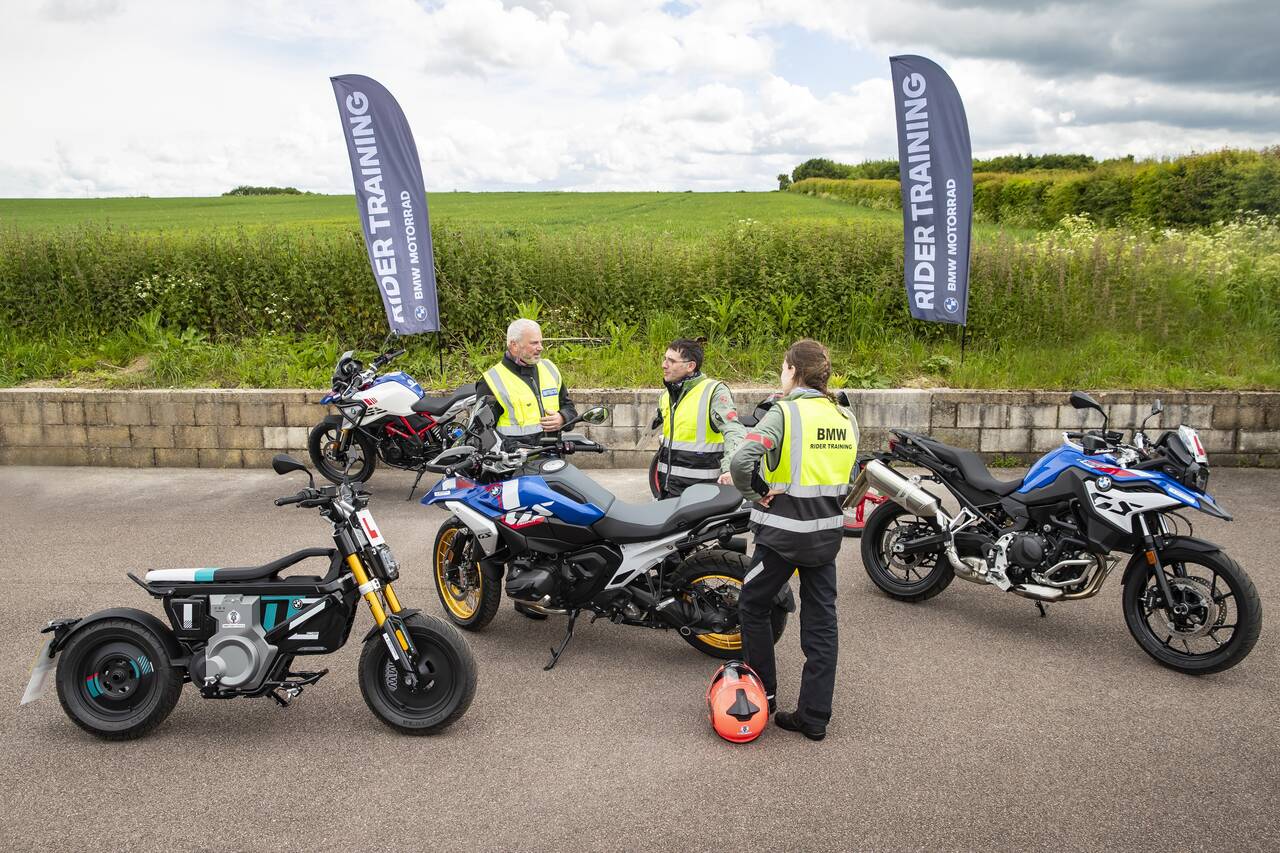
Lack of Proper Training and Guidance
Confidence also depends heavily on proper training. Many riders never attend advanced riding courses and rely solely on self-taught methods or limited guidance from friends. Without structured instruction, riders may develop habits that feel safe but are inefficient or risky in real-world situations. A formal training program can boost confidence by teaching riders how to handle emergencies, navigate challenging conditions, and respond to unexpected hazards with composure.
Comparing Yourself to Other Riders
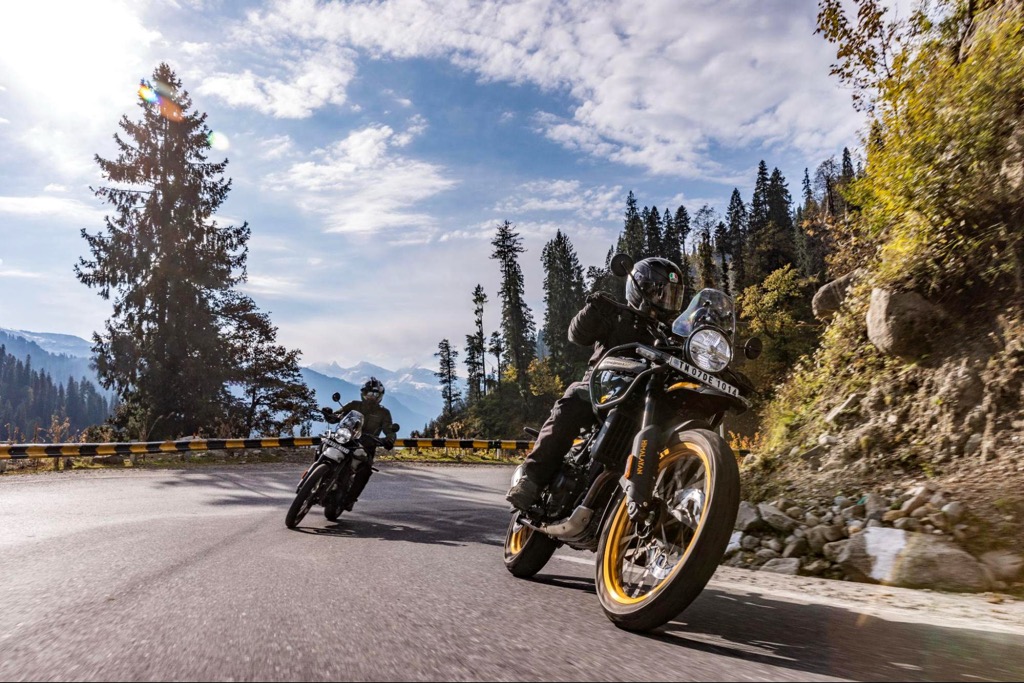
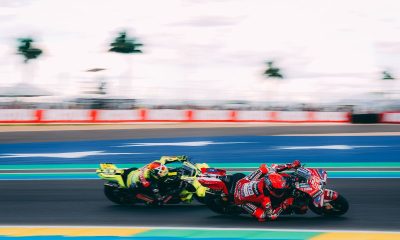
Social pressure can erode confidence as well. For instance, observing faster or more skilled riders often leads beginners or intermediate riders to feel inadequate, even if their abilities are perfectly competent for their current level. However, every rider has a unique learning curve, and therefore, confidence comes from focusing on personal growth rather than comparisons. Moreover, celebrating small victories, such as successfully completing a difficult turn or navigating busy roads safely, is key to gradually building self-assurance.
Building Lasting Confidence on a Motorcycle
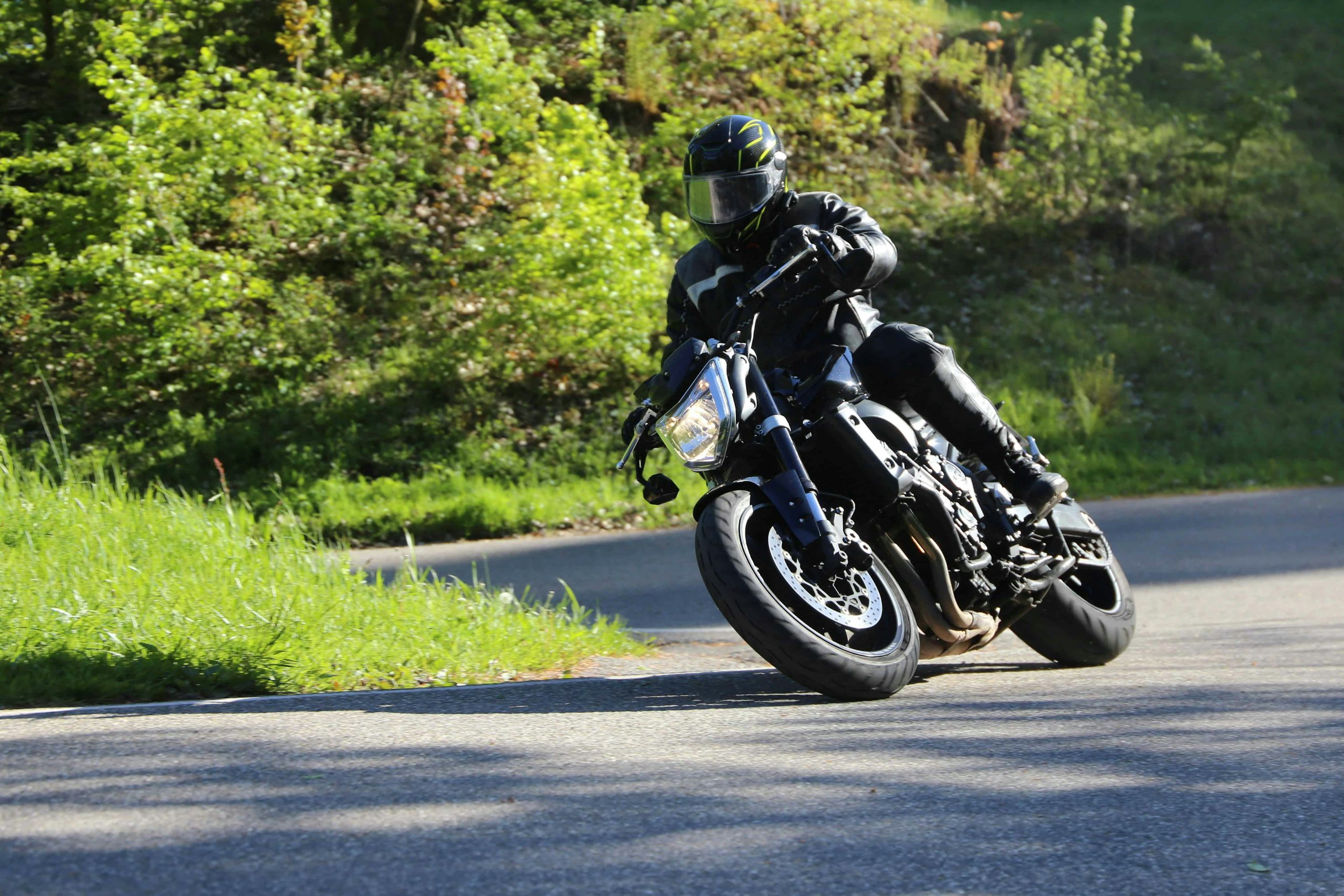
Developing confidence is a gradual process that blends skill, experience, and mindset. Riders can build assurance by practicing regularly in varied conditions, taking professional courses, and gradually challenging themselves with new skills. Mindfulness and positive reinforcement help manage fear, while reflective riding helps to analyze past rides to understand mistakes and successes which can help strengthen self-trust. Over time, the combination of competence and calmness transforms hesitant riders into confident motorcyclists who enjoy every journey without undue fear.
Conclusion
Confidence on a motorcycle is not an inherent trait but a cultivated skill. Riders who struggle with self-doubt often face a combination of limited experience, emotional barriers, lack of proper training, and social comparisons. By acknowledging these challenges and committing to deliberate practice, education, and mental preparation, every rider can grow their confidence, ride safely, and truly enjoy the freedom that comes with being on two wheels.












Facebook
Instagram
X (Twitter)
YouTube
LinkedIn
RSS