

From low-end torque to high-RPM thrills, discover which engine fits your riding style
Subscribe to our Instagram Channel for instant news & updates!
Motorcycle engines are more than just numbers on a spec sheet. The way an engine delivers power, sounds, and responds to throttle inputs plays a huge role in how a bike feels on the road. Two of the most iconic engine layouts in motorcycling are the V-Twin and the Inline-4, each offering a completely different riding experience.
While one focuses on raw character and low-end punch, the other delivers high-revving performance and razor-sharp smoothness. Choosing between them is not just about speed or horsepower. It is about personality, riding style, and what you enjoy most when you twist the throttle.
Understanding Motorcycle Engine Character
Before comparing V-Twin and Inline-4 engines directly, it helps to understand what riders mean by “engine character.” Engine character refers to how power is delivered, how the bike feels at different speeds, and how connected the rider feels to the machine.
Some engines feel alive and aggressive at low RPM, while others come alive only when pushed hard. Neither is better in every situation. The right choice depends on how and where you ride, as well as what kind of emotional response you want from your motorcycle.
What Is a V-Twin Engine?
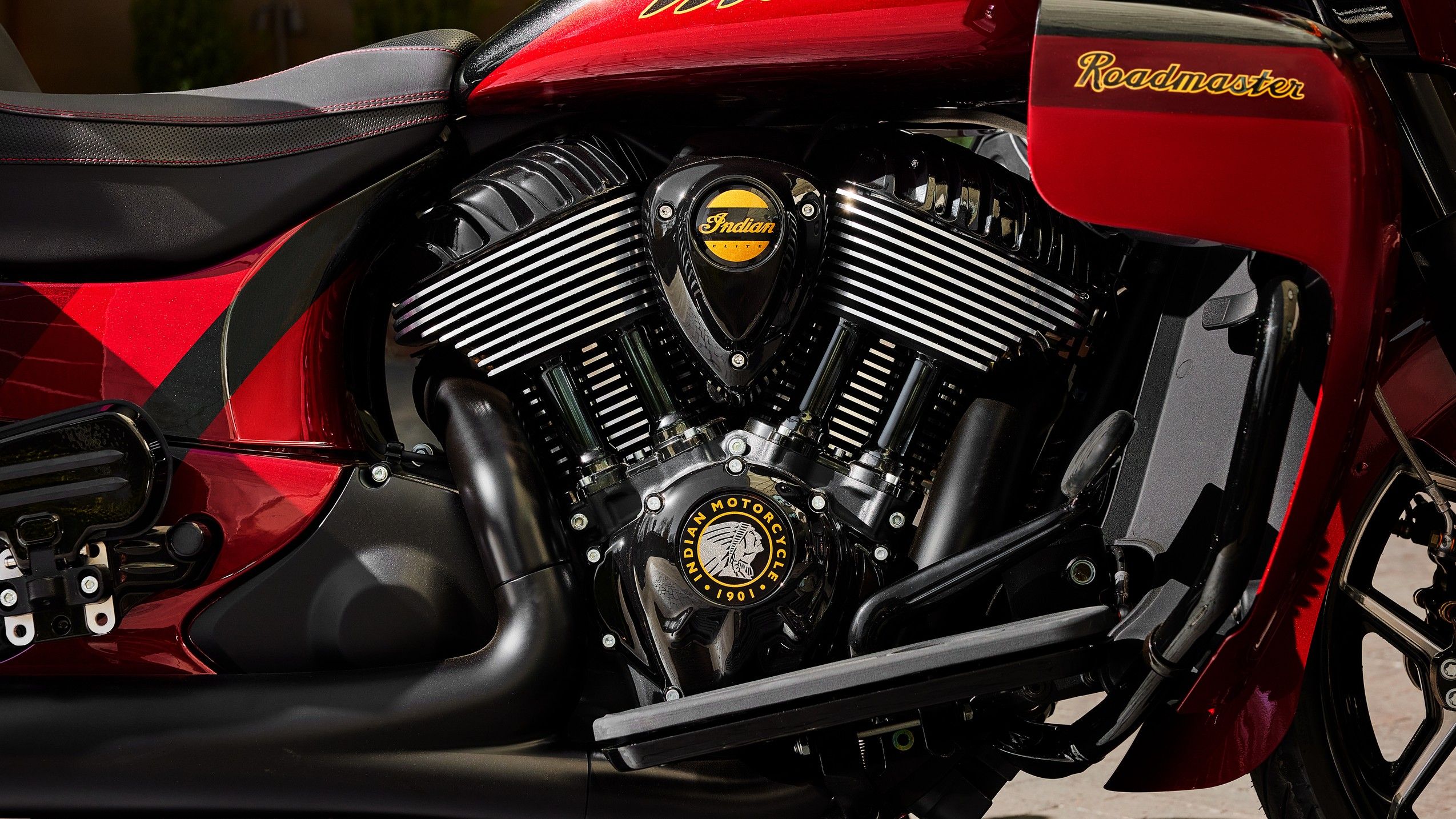
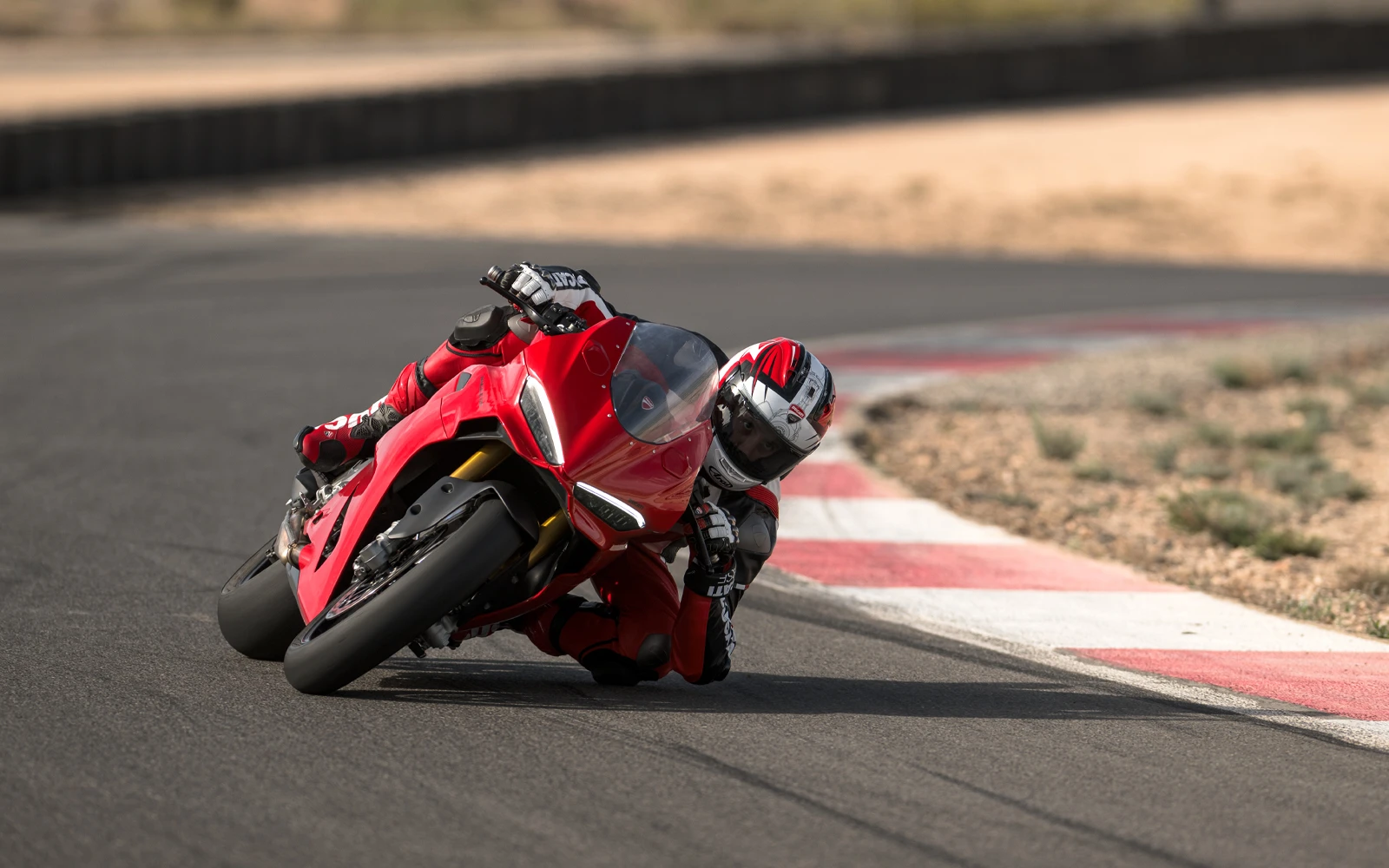
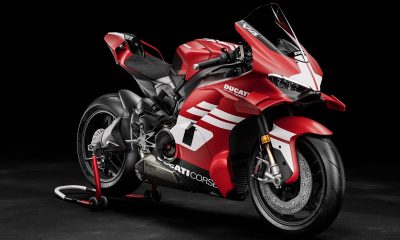
A V-Twin engine uses two cylinders arranged in a V shape. This layout is commonly associated with cruisers, muscle bikes, and some adventure and sport models. Brands like Harley-Davidson, Ducati, and KTM are well known for their V-Twin engines.
How a V-Twin Feels on the Road
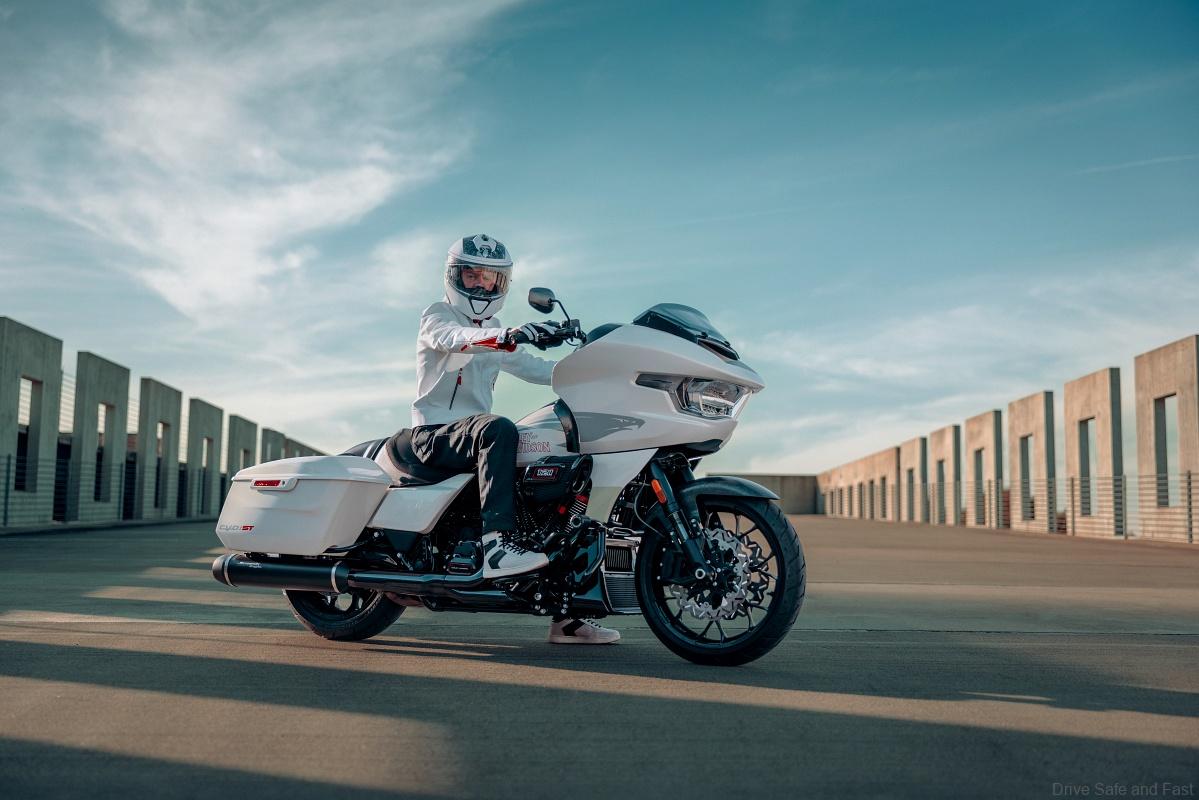
V-Twin engines are all about torque. Power arrives early in the rev range, which means strong acceleration even at low speeds. This makes the bike feel muscular and responsive without needing to rev the engine high.
The riding experience is often described as raw and mechanical. You feel each power pulse, and the engine has a distinct sound and vibration that many riders find addictive. On twisty roads or during relaxed cruising, a V-Twin delivers a satisfying, laid-back rhythm that encourages smooth, confident riding.
What Is an Inline-4 Engine?
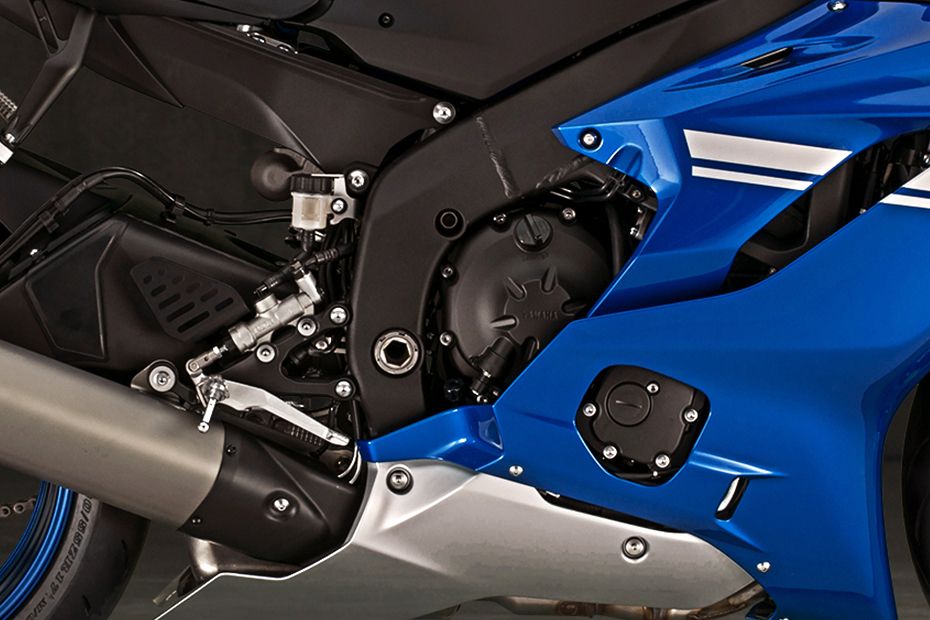
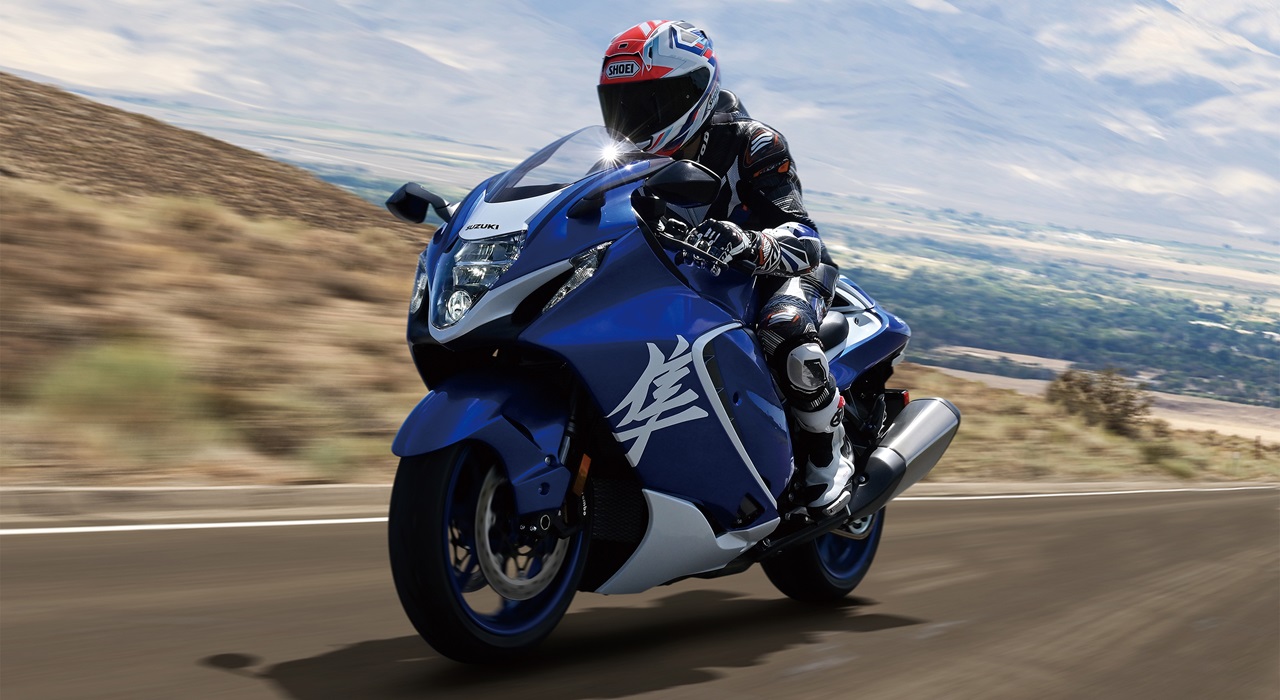
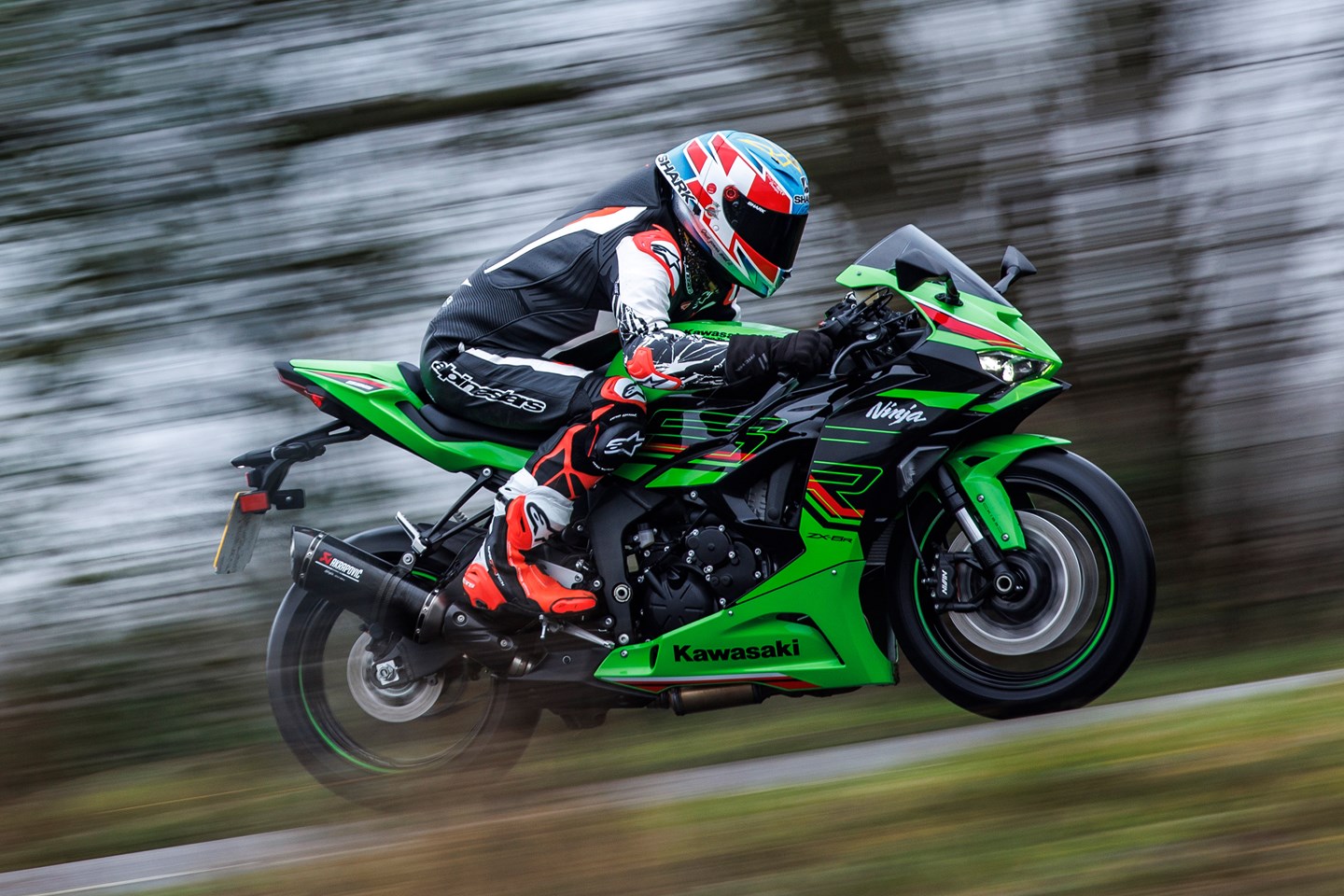
An Inline-4 engine features four cylinders arranged in a straight line. This configuration is most commonly found in sportbikes and performance-oriented motorcycles. Japanese manufacturers such as Honda, Yamaha, Kawasaki, and Suzuki have perfected this engine layout for decades.
How an Inline-4 Feels on the Road
Inline-4 engines are known for their smoothness and high-RPM performance. At low speeds, they can feel calm and almost tame. However, once the revs climb, the engine transforms, delivering a surge of power that builds rapidly toward redline.
This type of engine rewards aggressive riding. It feels precise, refined, and extremely fast when pushed. On highways, racetracks, or open roads, Inline-4 engines shine with their ability to maintain high speeds effortlessly and deliver consistent performance at the top end.
V-Twin vs. Inline-4: Power Delivery Explained
One of the biggest differences between these two engine types is how they deliver power. A V-Twin focuses on low- and mid-range torque, making acceleration feel immediate and strong without much effort. This is ideal for city riding, overtaking at lower speeds, and relaxed long-distance cruising.
An Inline-4, on the other hand, delivers its best performance at higher RPM. Power builds progressively, encouraging the rider to rev the engine harder. This makes Inline-4 motorcycles feel faster the more aggressively they are ridden, especially in sporty or high-speed environments.
Riding Style: Which Engine Matches You?
Your riding style plays a major role in determining which engine suits you best.
If you prefer relaxed rides, short bursts of acceleration, and a strong connection to the machine, a V-Twin is likely to feel more satisfying. It suits riders who enjoy cruising, torque-heavy performance, and a bike with a strong personality.
If you enjoy precision, speed, and pushing your bike to its limits, an Inline-4 is usually the better choice. Riders who frequent highways, enjoy spirited riding, or plan occasional track days often appreciate the smoothness and top-end power of an Inline-4 engine.
Sound, Vibration, and Emotional Appeal
Engine sound and feel are deeply personal. V-Twin engines produce a deep, throaty exhaust note and noticeable vibrations that add to their charm. For many riders, this creates a sense of character and emotional attachment to the bike.
Inline-4 engines sound smoother and more refined. At high RPM, they produce a high-pitched, race-inspired scream that appeals to performance enthusiasts. Vibration is minimal, making long rides feel smoother and less tiring.
Maintenance and Everyday Ownership
From a practical standpoint, Inline-4 engines are generally smoother and easier to live with for daily use. Their balanced nature often results in less vibration-related wear and a more refined riding experience in traffic.
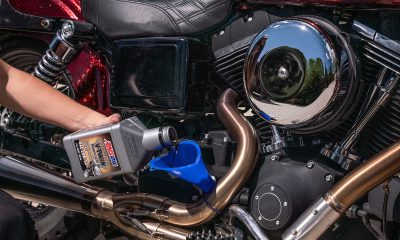
V-Twin engines can require more attention, especially when it comes to heat management and vibration. However, many riders are willing to accept this in exchange for the unique riding feel and strong personality that a V-Twin offers.
Which Engine Truly Suits Your Personality?
Choosing between a V-Twin and an Inline-4 is not about which engine is better on paper. It is about how the motorcycle makes you feel every time you ride.
If you value character, torque, and a visceral connection to your machine, the V-Twin will likely resonate with you. If you prefer smoothness, high-revving excitement, and performance-focused riding, the Inline-4 may be the perfect match.
Conclusion: There Is No Wrong Choice
V-Twin and Inline-4 engines represent two very different philosophies of motorcycling. One focuses on emotion and low-end power, while the other emphasizes speed, refinement, and top-end performance.
In the end, the best engine is the one that matches your personality and riding style. Whether you crave the heartbeat-like pulse of a V-Twin or the thrilling rush of an Inline-4 screaming toward redline, both offer unforgettable riding experiences.







Facebook
Instagram
X (Twitter)
YouTube
LinkedIn
RSS