

Japanese motorcycle makers like Yamaha, Honda, and Suzuki are advancing electric, hydrogen, and biofuel bikes to cut emissions, despite challenges with cost, range, and infrastructure.
Subscribe to our Instagram Channel for instant news & updates!
Japanese motorcycle manufacturers are stepping up efforts to reduce carbon emissions by developing new power sources. Electric motorcycles are slowly becoming the industry’s future, though challenges remain.
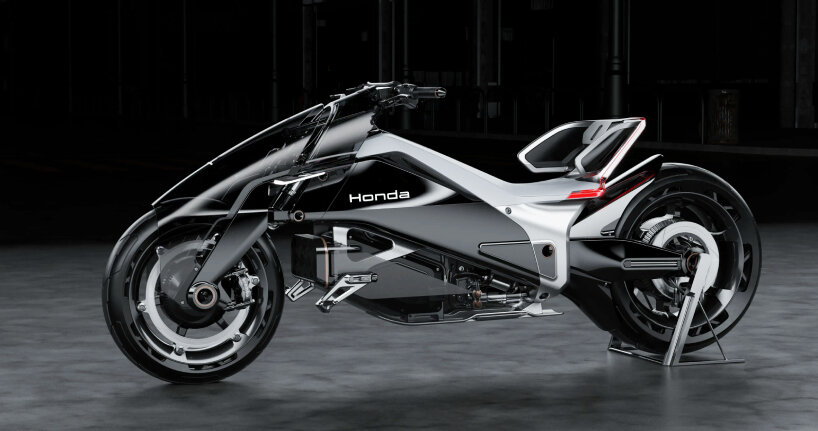
Yamaha Motor plans for electric motorcycles to account for about 30% of its new models by 2027, following the launch of four electric scooter models last year. Honda Motor is aiming to increase its share of electric motorcycles from just 0.6% today to 7% by 2030 and plans to open an electric-motorcycle-only plant in India in 2028.
Electric motorcycles, however, face hurdles. Prices are still high, charging infrastructure is limited, and compact motorcycle designs make it difficult to fit large batteries, limiting range. Widespread adoption will likely require coordinated solutions covering costs, mileage, and charging availability.
Beyond electrics, Japanese manufacturers are exploring alternative fuels. Suzuki Motor is developing a biogas-powered two-wheeler, while Yamaha is working with Toyota Motor on a hydrogen-powered scooter. Yamaha also sells bioethanol motorcycles in Brazil and plans to bring them to India.
Overall, the industry is preparing for a future with a mix of clean-energy options. Electric motorcycles, hydrogen, and biofuels are all part of the strategy to reduce emissions while keeping motorcycles practical and appealing for riders.








Facebook
Instagram
X (Twitter)
YouTube
LinkedIn
RSS