

As automation advances in mobility, motorcycle brands continue to prioritise rider engagement, keeping technology as support rather than replacing the human experience.
Subscribe to our Instagram Channel for instant news & updates!
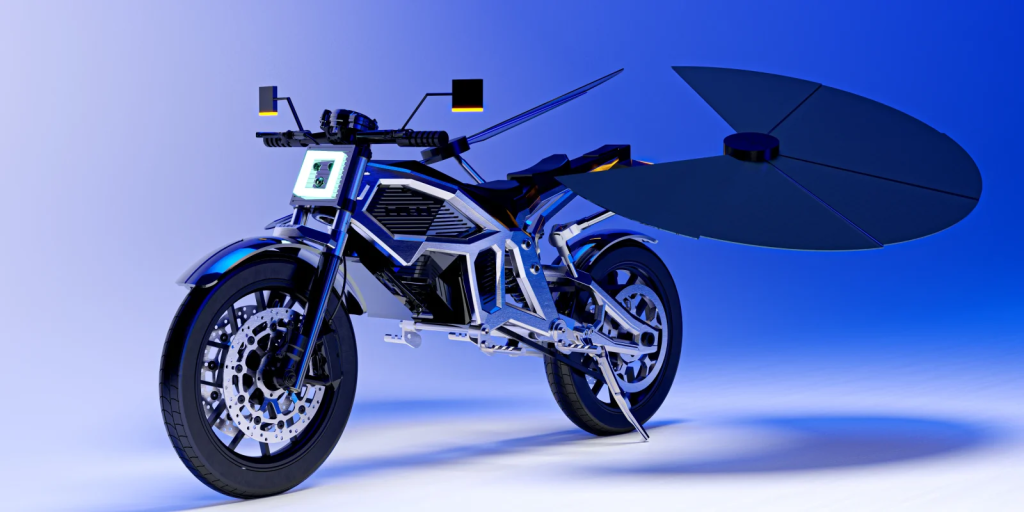
As automation continues to dominate conversations in the mobility space, the motorcycle industry is taking a noticeably different stance. While self-driving technology is rapidly evolving for cars and urban transport, the idea of fully autonomous motorcycles remains far less compelling, especially for performance-focused brands.
Technology vs. Experience
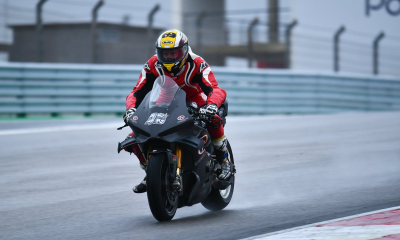
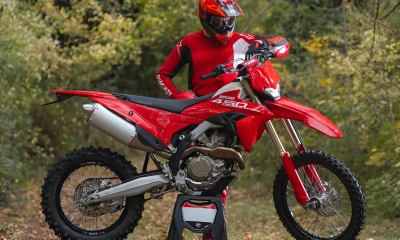
At its core, motorcycling has always been about rider involvement. Motorcycles prioritise control, balance and real-time feedback, whereas cars typically focus on comfort and convenience. The sensation of leaning into corners, managing throttle inputs and responding to the road is not a by-product of riding; it is the entire point.
This is why the concept of a self-riding motorcycle feels fundamentally at odds with the category. If a machine can operate entirely on its own, it shifts the purpose from engagement to transportation, which is not what most riders seek when they choose a motorcycle in the first place.
Not anti-tech, just rider-first
Manufacturers have already equipped modern motorcycles with advanced electronics, including traction control, cornering ABS, ride modes and radar-based safety systems, which now come standard on many premium models. These technologies actively support the rider, enhance safety and refine control instead of replacing human input.
In this context, innovation is clearly welcomed but with boundaries. Assistance systems can reduce risks and make high-performance bikes more accessible, yet the rider remains central to the experience.
A different path for the future
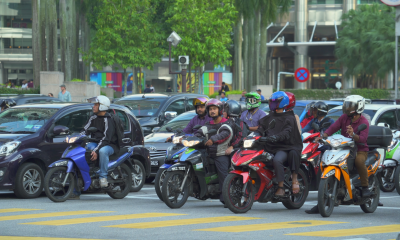
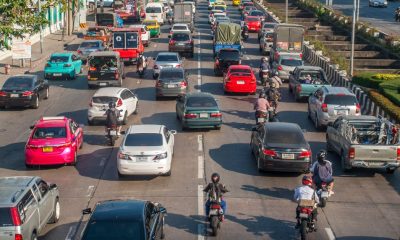
The push toward autonomy often focuses on reducing effort, stress and human error in daily commuting. However, motorcycles occupy a different space in the mobility ecosystem. They are as much about passion and freedom as they are about transport, particularly in the premium segment, where emotional connection plays a major role in purchasing decisions.
Rather than pursuing full automation, manufacturers appear more interested in refining the riding experience through smarter electronics, improved safety features and better usability. This direction preserves what makes motorcycling unique while still embracing technological progress.
In the end, the discussion around autonomous motorcycles is less about what can be built and more about what should be built. For a vehicle defined by human control and engagement, keeping the rider at the centre is not a limitation; it is the identity of motorcycling itself.






Facebook
Instagram
X (Twitter)
YouTube
LinkedIn
RSS