

How knowing when to hold back improves control, builds confidence, and leads to smoother, faster riding.

Subscribe to our Instagram Channel for instant news & updates!
In motorcycling, speed is often associated with bravery, aggression, and pushing limits. Many riders believe that riding fast means constantly going harder, braking later, and opening the throttle earlier.
However, experienced riders understand something different. Real speed is often built on restraint. Restraint does not mean riding slowly or being afraid. It means knowing when to hold back, when to stay smooth, and when pushing harder will actually make you slower or less safe.
Why Pushing Hard All the Time Doesn’t Work
Riding at the limit constantly puts both the rider and the motorcycle under pressure. When everything is rushed, mistakes become more likely. Late braking, rushed corner entry, and abrupt throttle inputs reduce stability and increase fatigue.
When a rider is always pushing, there is little room to correct errors. Any small misjudgment can quickly turn into a loss of control. Instead of building confidence, this approach often leads to inconsistent riding and unnecessary risk.

How Restraint Creates Better Control
Restraint allows a rider to stay relaxed and focused. By leaving a margin, the rider can read the road better, feel the motorcycle more clearly, and react smoothly to changes in conditions.
When a rider is not forcing speed, their inputs become cleaner. Braking is more controlled, throttle application is smoother, and corner entry feels more stable. This control is what allows speed to increase naturally over time.
Speed Comes From Flow, Not Force
Riders who rely on restraint often look calm and unhurried, yet they carry speed more effectively. Instead of attacking every corner, they focus on maintaining flow. They choose better lines, avoid unnecessary corrections, and exit corners smoothly.
This flow reduces wasted energy. The motorcycle stays balanced, traction is preserved, and the rider can maintain pace without feeling tense or rushed. In many cases, this approach is actually faster than aggressive riding.

Why the Fastest Riders Know When to Back Off
Backing off at the right moment is a skill. Experienced riders know that not every corner needs to be attacked and not every straight needs full throttle. They adjust their pace based on visibility, road conditions, and fatigue.
This awareness keeps them consistent. They may slow down slightly in one section, only to carry more speed and confidence through the next. Over an entire ride, this controlled approach often results in better overall pace.
Restraint Builds Confidence and Longevity
Riding with restraint reduces mental and physical fatigue. The rider stays fresher, sharper, and more aware of their surroundings. This makes riding not only faster, but also safer and more enjoyable.
More importantly, restraint helps riders improve over the long term. Instead of chasing adrenaline, they build solid habits that lead to real skill development. This is how riders progress without burning out or getting hurt.
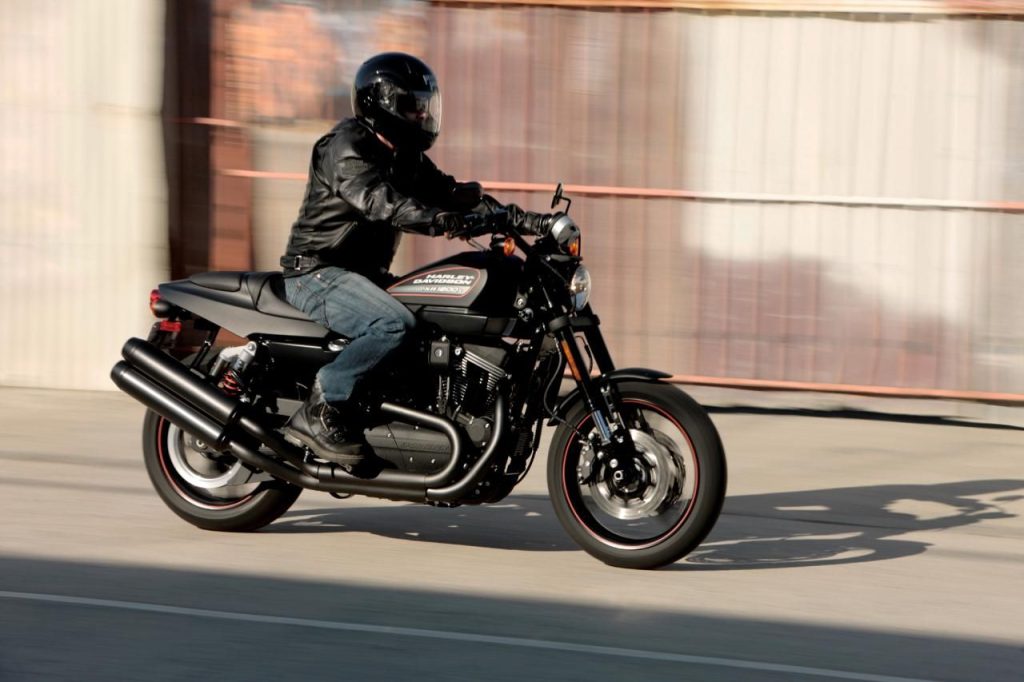
Conclusion
Riding fast is not about constantly pushing harder. It is about knowing when to hold back. Restraint creates control, control creates flow, and flow is what leads to real speed.
The riders who truly understand speed are not the ones who look aggressive. They are the ones who ride with purpose, patience, and awareness. In the end, restraint is not a limitation. It is one of the most powerful tools a rider can have.












Facebook
Instagram
X (Twitter)
YouTube
LinkedIn
RSS