

Why mindset, not talent, often determines how safely and well we ride.

Subscribe to our Instagram Channel for instant news & updates!
Motorcycle riding is often described as a skill-based activity, but in reality, a rider’s mindset plays an even bigger role. Many accidents, close calls, and bad riding decisions do not happen because a rider lacks ability, but because ego takes over.
Ego can push riders to ride faster than they should, take unnecessary risks, or ignore their own limits. Understanding how ego affects riding decisions is an important step toward becoming a safer, more confident rider.
What Ego Looks Like on a Motorcycle
Ego in riding does not always look obvious. It is not just about showing off or racing others. It can appear as the need to keep up with faster riders, refusing to slow down, or feeling embarrassed to ride cautiously.
Sometimes ego shows up when riders believe they are more skilled than they actually are. This false confidence often leads to late braking, poor corner entry, and aggressive throttle use, especially on public roads where conditions are unpredictable.
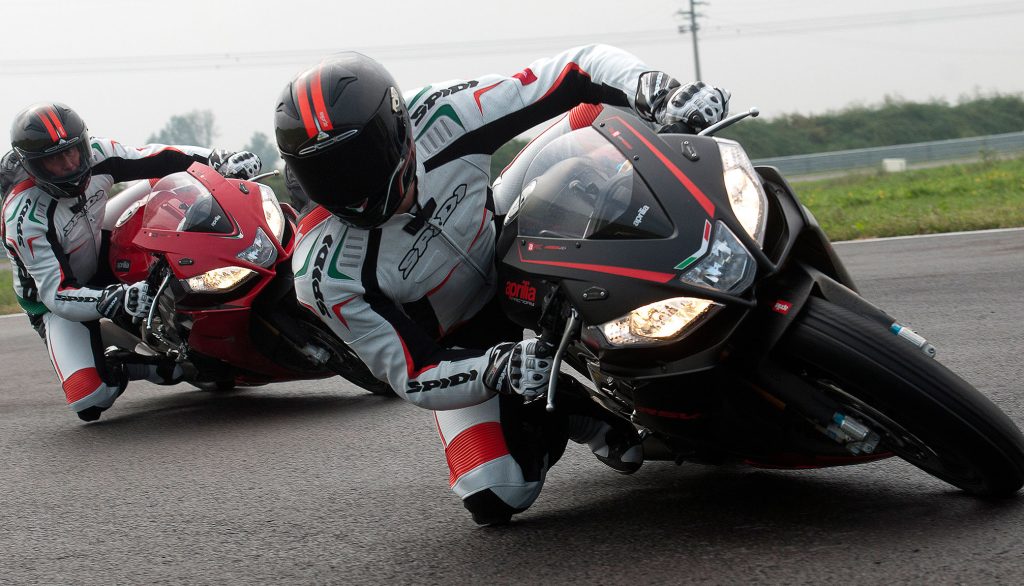
Skill Is Built, Ego Is Assumed
Real riding skill takes time, practice, and experience to develop. It is built through learning proper technique, understanding road conditions, and riding consistently within safe limits.
Ego, on the other hand, is often assumed. A powerful bike, past experience, or riding with a fast group can create a sense of ability that may not match reality. When ego replaces honest self-assessment, riders stop learning and start taking risks without realizing it.
How Ego Leads to Poor Riding Decisions
Ego often affects decision-making in subtle but dangerous ways. Riders may enter corners too fast because they do not want to slow down. They may accelerate harder than necessary just to prove a point. Some riders even ignore warning signs from their bike or the road because slowing down feels like admitting weakness.
These decisions reduce margin for error. On public roads, where hazards can appear at any time, riding with ego leaves little room to react safely.
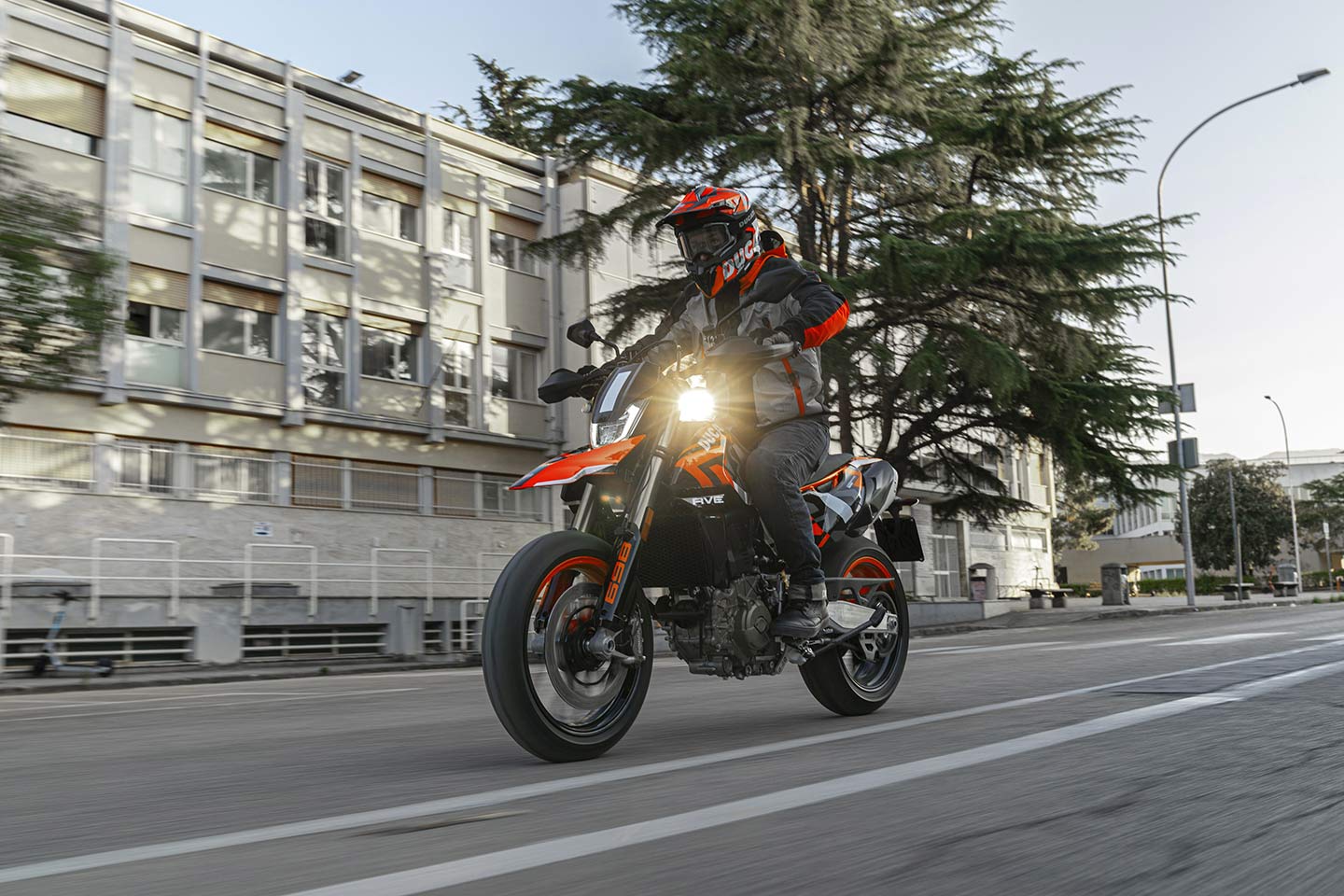
Why Skilled Riders Ride Calmly
Experienced and truly skilled riders often appear calm and controlled. They do not rush corners, make sudden inputs, or ride aggressively without reason. This is not because they are slow, but because they understand the limits of the road and their machine.
Skilled riders prioritize smoothness over speed. They know when to back off, when to stay relaxed, and when conditions are not suitable for pushing harder. This mindset keeps them safer and more consistent.
Letting Go of Ego Improves Riding
When riders let go of ego, they ride with more awareness. They become better at reading the road, managing risk, and responding to unexpected situations. Riding becomes less stressful and more enjoyable.
Letting go of ego does not mean riding without confidence. It means riding with honesty, understanding personal limits, and respecting the fact that every ride is different.
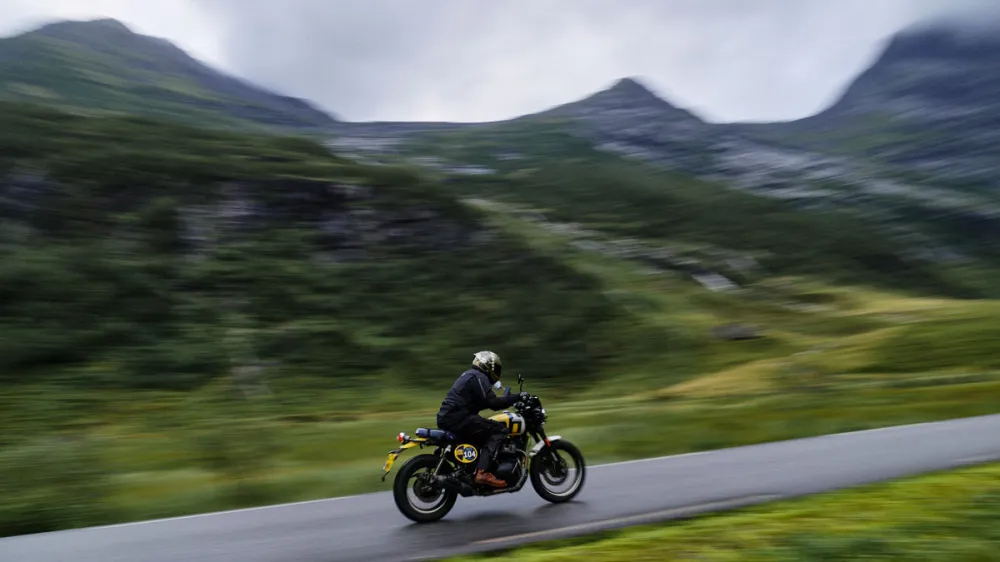
Conclusion
In motorcycle riding, ego often has more influence on decisions than actual skill. While skill keeps a rider in control, ego pushes riders to take unnecessary risks that can lead to mistakes or accidents.
True improvement comes when riders focus less on proving themselves and more on riding smoothly, safely, and consistently. In the end, the best riders are not the loudest or fastest, but the ones who understand themselves, their bikes, and the road.










Facebook
Instagram
X (Twitter)
YouTube
LinkedIn
RSS