

Understanding the difference between speed, control, and real rider confidence.
Subscribe to our Instagram Channel for instant news & updates!
In motorcycling, there is an ongoing debate among riders: Is straight-line speed more important, or does cornering skill matter more? Some riders focus on acceleration and top speed, while others believe true riding ability is proven in the corners.
Both straight-line riding and cornering play important roles in motorcycling, but they demand very different skills. Understanding the difference helps riders improve not just speed, but also control, safety, and overall confidence on the road.
What Straight-Line Riding Is Really About
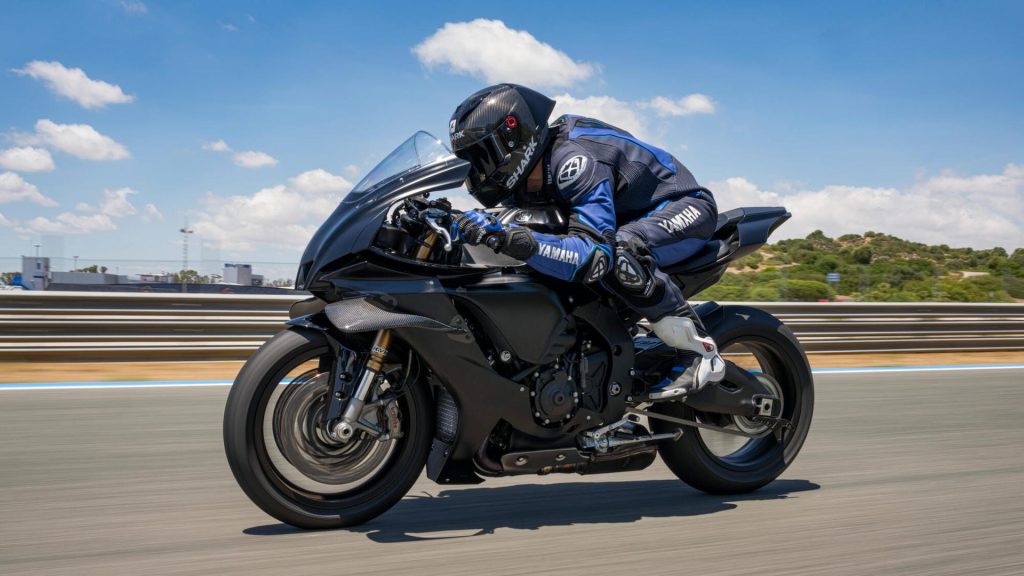
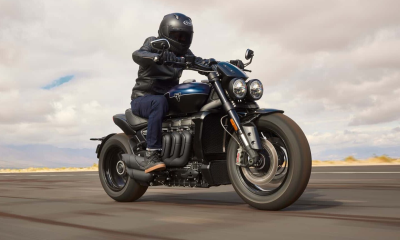
Straight-line riding is mainly about acceleration, braking, and stability. It tests how well a rider can control throttle input, manage power delivery, and keep the bike stable at higher speeds. In a straight line, the motorcycle does most of the work. Modern bikes are designed to go fast easily, which means straight-line speed often relies more on engine performance than rider skill.
As long as throttle control and braking are smooth, riding fast in a straight line can feel relatively simple.This is why straight-line speed is often associated with drag races or highway pulls, where cornering technique plays a minimal role.
Why Cornering Separates Riders from Riders
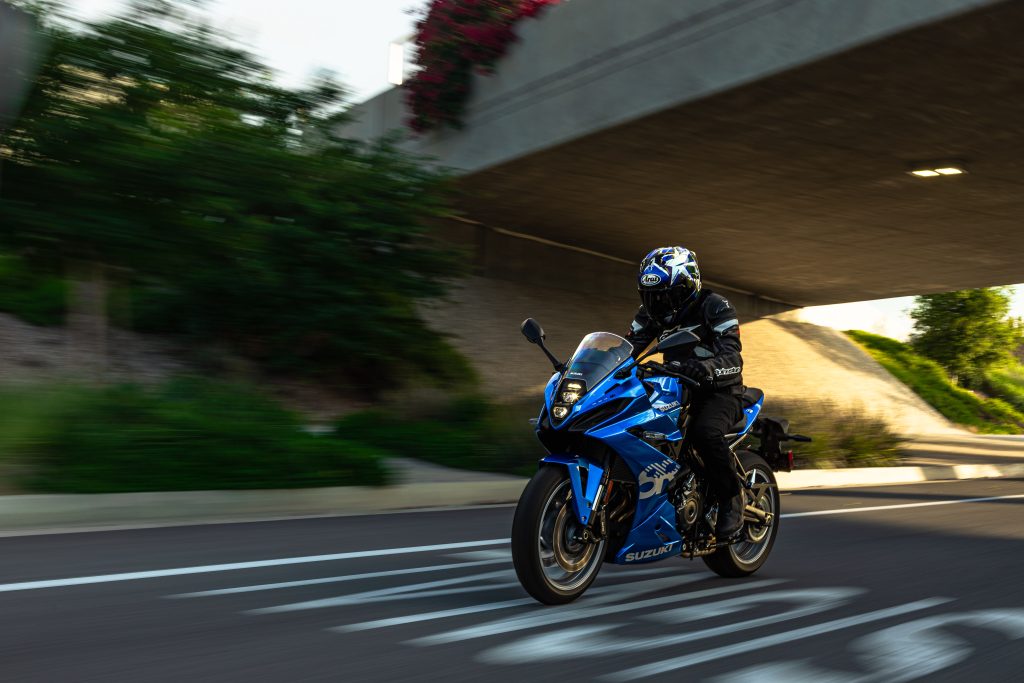
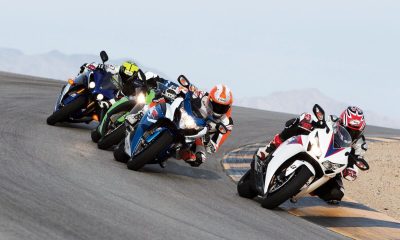
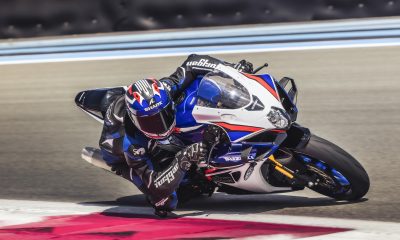
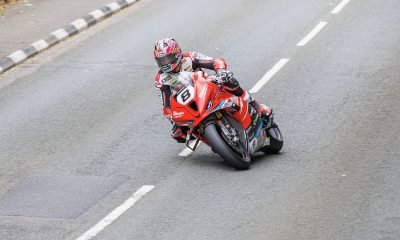
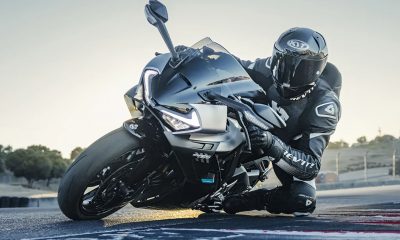
Cornering is where riding skill truly becomes visible. Unlike straight-line riding, corners require a combination of body positioning, throttle control, braking judgment, and line selection. A rider needs to understand lean angle, weight transfer, and how the motorcycle behaves under load. Entering a corner too fast, braking at the wrong time, or using poor body position can quickly lead to loss of control.
Good cornering is not about going fast, it is about being smooth, controlled, and confident. This is why experienced riders often say that corners reveal more about a rider’s ability than straight-line speed ever could.
Confidence vs Ego in Riding
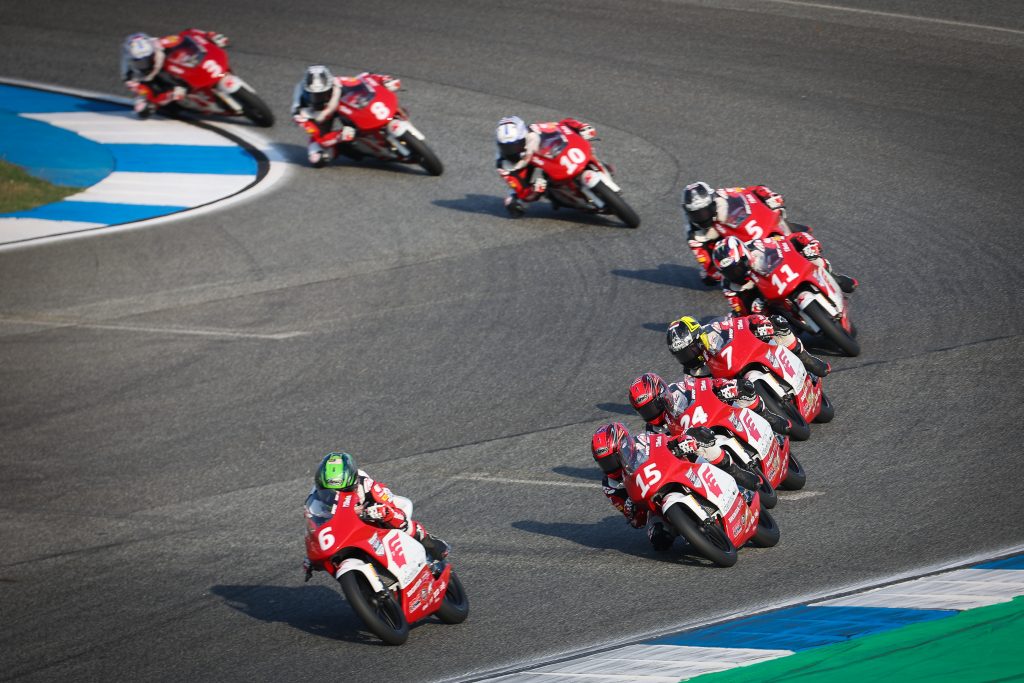
Straight-line speed often feeds ego. It feels exciting, dramatic, and easy to show off. However, cornering builds confidence. Riders who are comfortable leaning the bike, choosing proper lines, and exiting corners smoothly tend to ride more safely and consistently.
Confidence in corners also translates to better control in real-world situations such as wet roads, uneven surfaces, or sudden obstacles. It is a skill that improves overall riding ability, not just performance.
Which One Matters More in Real Riding?
For everyday riding, cornering skill matters more than straight-line speed. Roads are rarely perfectly straight, especially in urban areas or twisty routes. Even highway riding involves curves, lane changes, and unexpected situations.
A rider who understands cornering will naturally have better throttle control, braking technique, and awareness. Straight-line speed may feel impressive, but cornering skill is what keeps riders safe and in control.
Finding the Right Balance
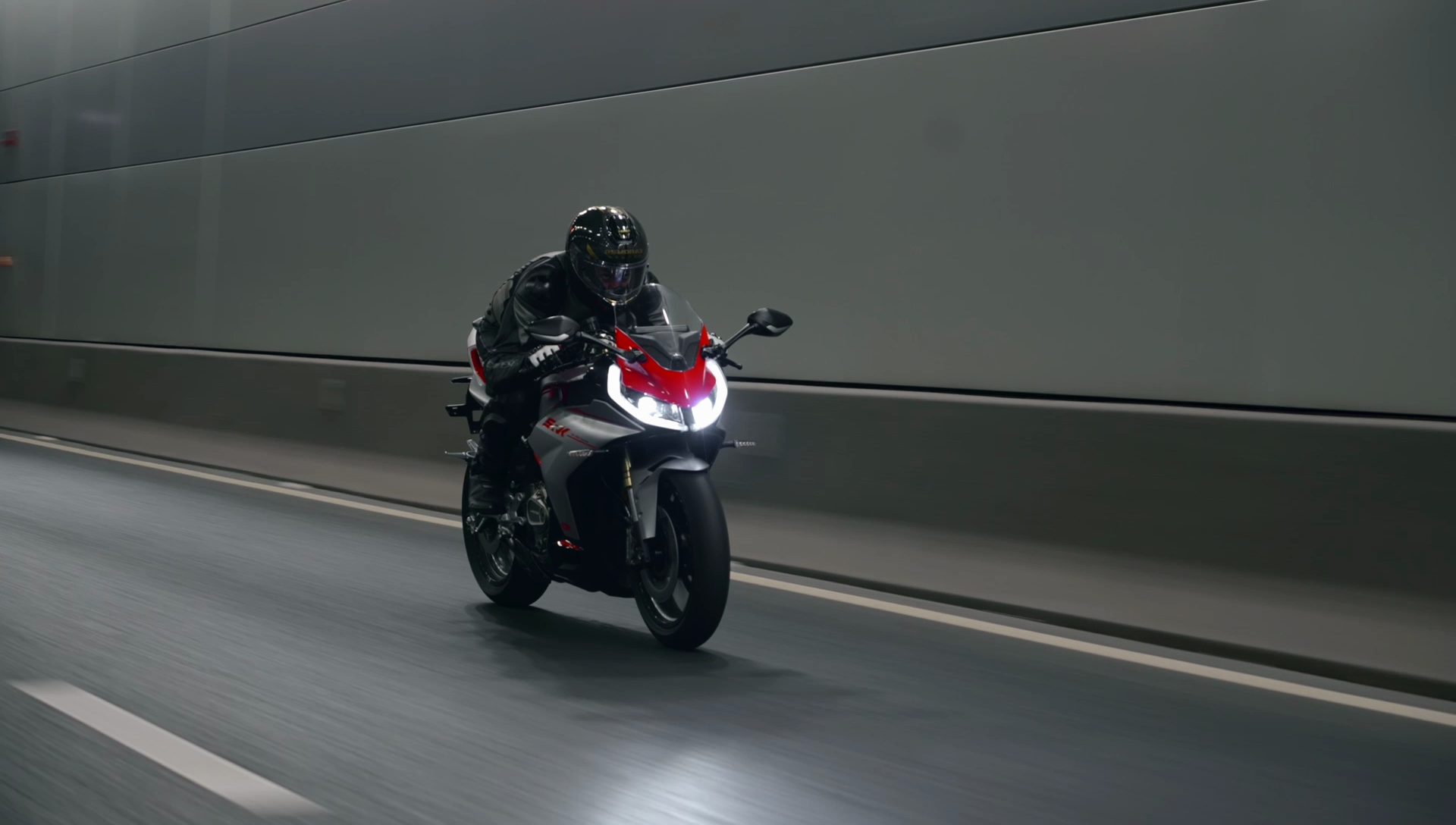
This does not mean straight-line riding has no value. Learning proper acceleration and braking is still important. However, riders who focus only on straight-line speed often miss out on developing the skills that truly make them better riders.
The best riders understand both. They respect speed, but they prioritize control. They know when to slow down, how to choose the right line, and how to exit corners smoothly without unnecessary risk.
Conclusion
Straight-line riding shows how fast a motorcycle can go. Cornering shows how well a rider can ride. While straight-line speed may look impressive, real riding skill is built in the corners. Developing cornering technique not only improves performance but also increases safety, confidence, and enjoyment on the road. In the end, mastering corners is what separates riders who simply ride from riders who truly understand their machine.















Facebook
Instagram
X (Twitter)
YouTube
LinkedIn
RSS