

Understanding how ergonomics, engine behaviour, and mental workload quietly drain rider energy

Subscribe to our Instagram Channel for instant news & updates!
Many riders assume that feeling tired after a short ride means the motorcycle is uncomfortable, underpowered, or simply “not suitable” for them. In reality, riding fatigue is far more complex than just seat padding or engine capacity. Some motorcycles can feel exhausting even after 20 or 30 minutes, while others allow you to ride for hours with minimal strain. The reason lies in how multiple elements of a motorcycle work together with the rider’s body, mind, and riding environment.
Riding Position Plays a Bigger Role Than You Think
One of the biggest contributors to riding fatigue is the relationship between the handlebars, seat, and footpegs. When these three points are not balanced for your body size, your muscles are constantly working to compensate.
A riding position that puts too much weight on your wrists, forces your knees to bend sharply, or makes you lean forward slightly more than necessary can create tension without you realising it. Over a short distance, this tension builds up quickly, leading to sore shoulders, stiff hands, or lower back discomfort. Even motorcycles that look comfortable on paper can feel tiring if the ergonomics do not suit the rider.
Suspension Setup Affects Your Body Directly
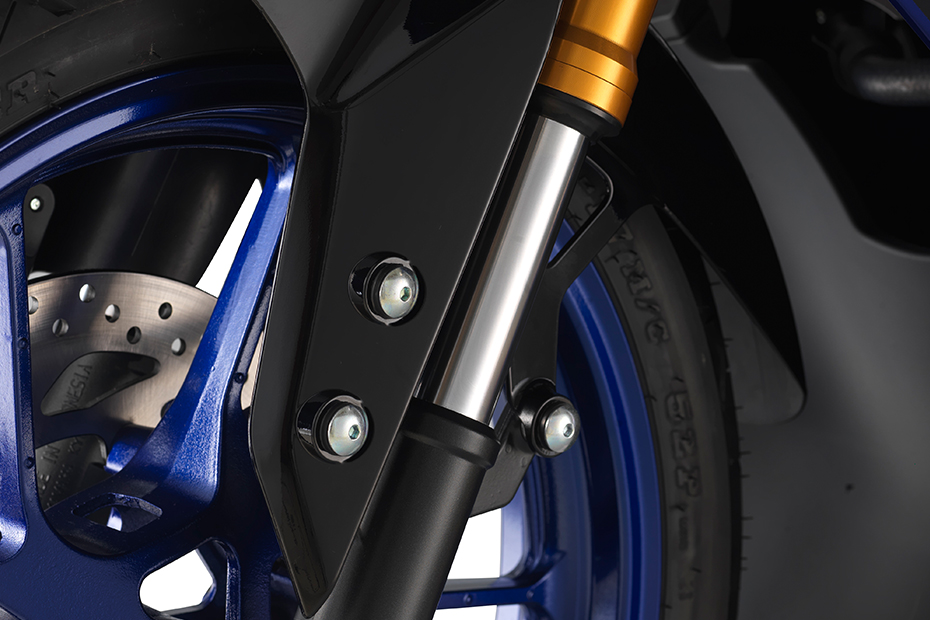
Suspension is not just about handling or performance, it directly affects how tired you feel after a ride. A motorcycle with overly stiff suspension transfers road imperfections straight into your body. Small bumps, uneven roads, and rough surfaces may not feel dramatic individually, but constant vibrations add up.
On the other hand, suspension that is too soft can also be tiring. Excessive movement forces your body to stabilise itself constantly, especially during braking or cornering. This subtle muscle engagement over time drains energy faster than most riders expect. Poor suspension setup becomes even more noticeable especially in heavy traffic situations.
Throttle Response and Clutch Behaviour Matter
Motorcycles with abrupt throttle response can be mentally and physically exhausting. When power delivery is aggressive or inconsistent, the rider must constantly modulate the throttle carefully to maintain smoothness. This creates tension in the right hand and forearm, especially during city riding.
Similarly, a heavy clutch or poorly tuned gearbox increases fatigue in stop-and-go traffic. Repeated clutch engagement may not feel problematic at first, but over a short ride, it contributes significantly to hand and arm tiredness. Smooth control inputs can reduce strain far more than raw power ever could.
Weight Distribution Is More Important Than Actual Weight
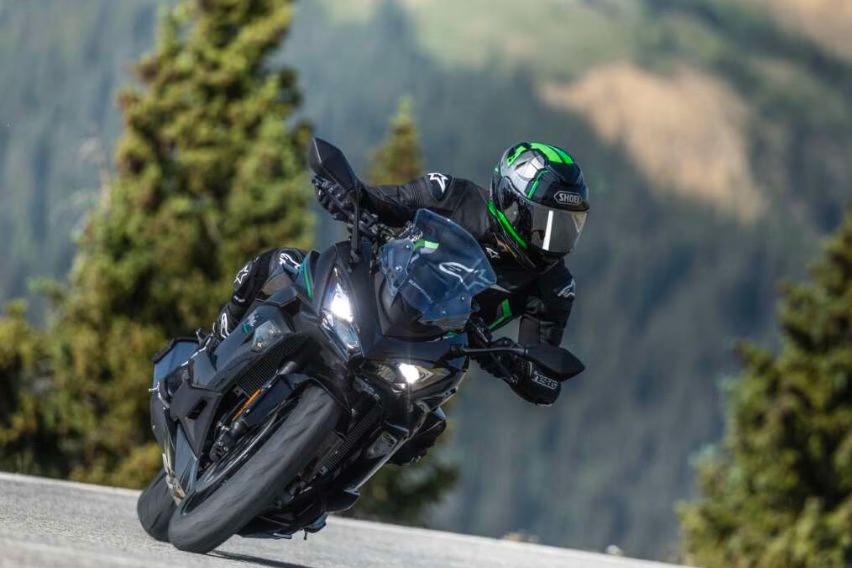
A motorcycle does not need to be heavy to feel tiring. What matters more is how that weight is distributed. Bikes with top-heavy designs or forward-biased weight can feel demanding, especially at low speeds.
Constantly balancing a motorcycle that feels unstable or awkward in slow traffic requires mental focus and physical effort. Over time, this leads to fatigue even if the ride duration is short. This is why some larger motorcycles feel surprisingly easy to ride, while smaller ones can feel draining.
Vibration and Engine Character Affect Energy Levels
Engine vibrations are often overlooked until fatigue sets in. Continuous vibration through the handlebars, footpegs, or seat may not be painful, but it causes muscle tension and reduces comfort.
Certain engine configurations naturally produce more vibration at specific RPM ranges. If your usual riding speed sits right in that range, your body absorbs that stress continuously. Over short rides, this can lead to numb hands, tingling feet, or general discomfort. A smooth engine makes a bigger difference than most riders expect.
Mental Fatigue Is Just as Real as Physical Fatigue
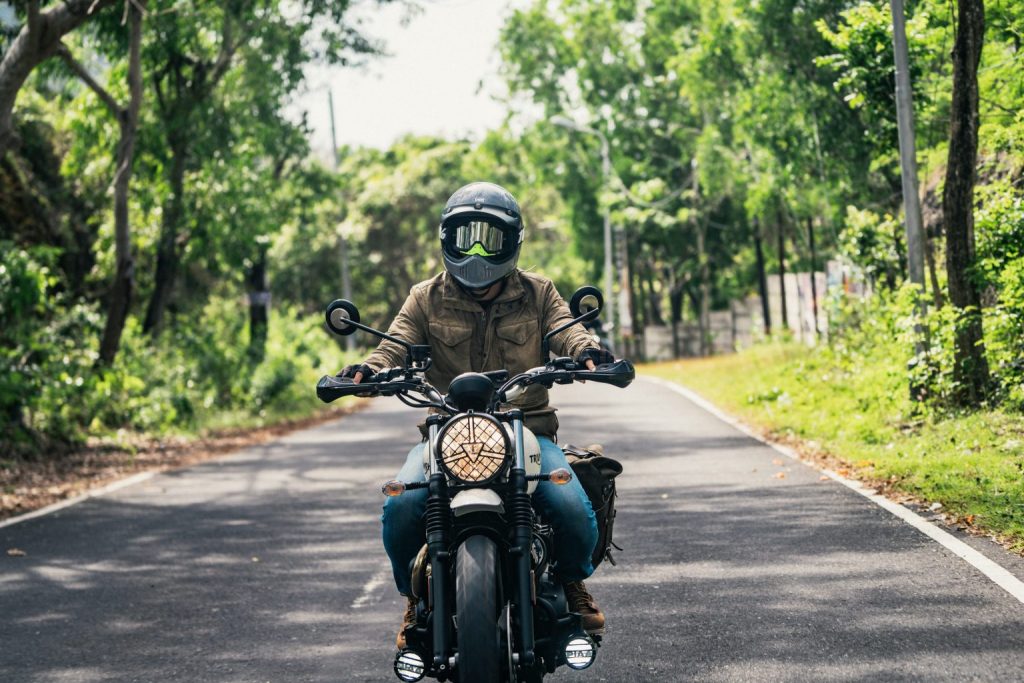
Not all tiredness comes from the body. Some motorcycles demand constant attention. Sharp steering, nervous handling, or overly responsive controls require the rider to stay alert at all times.
This mental workload drains energy quickly, especially in urban traffic or unfamiliar roads. Bikes that feel calm, predictable, and forgiving allow the rider to relax, reducing both mental and physical fatigue. Riding should not feel like constant problem-solving.
Your Riding Style Can Make It Worse
Sometimes, the motorcycle is not entirely to blame. Riding with unnecessary tension, gripping the handlebars too tightly, or maintaining a stiff posture amplifies fatigue. A motorcycle that encourages aggressive riding can subconsciously push the rider into bad habits. Relaxed motorcycles tend to promote relaxed riding, while demanding bikes expose every weakness in posture and technique.

Why “Comfortable” Doesn’t Always Mean “Less Tiring”
A soft seat or upright posture does not guarantee a relaxed ride. True riding comfort comes from balance, predictability, and harmony between machine and rider. When a motorcycle works with you instead of against you, energy is conserved naturally. When it doesn’t, even short rides can feel surprisingly exhausting.
Final Thoughts: Fatigue Is Feedback, Not a Flaw
If your motorcycle feels tiring even on short rides, it is not a personal failure or lack of fitness. It is feedback. Your body is telling you that something in the riding equation is off. Understanding why this happens allows riders to make better choices, whether that means adjusting ergonomics, improving riding technique, or choosing a motorcycle that truly fits their needs. In the end, the best motorcycle is not the fastest or the most powerful, it’s the one that lets you ride longer, calmer, and with less effort.












Facebook
Instagram
X (Twitter)
YouTube
LinkedIn
RSS