

New to Formula 1? Here’s everything you need to know about teams, race weekends, rules, and how the F1 world works.
Subscribe to our Instagram Channel for instant news & updates!
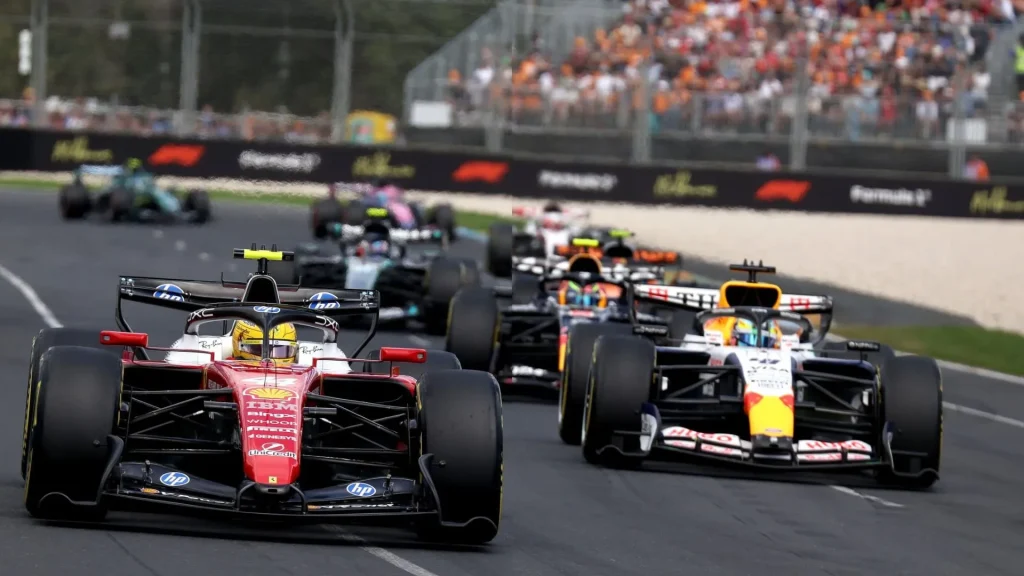
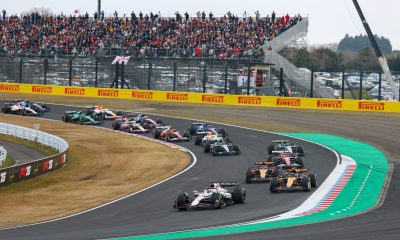
Formula 1 (F1) is the highest class of international single-seater racing that is governed by the FIA. It features the fastest cars, elite drivers, and world-famous circuits across the globe. If you’re new to the sport, this beginner’s guide will help you get up to speed on how everything works in Formula 1.
How Many Teams and People Are in Formula 1?
Number of Teams and Drivers
- There are 11 Formula 1 teams
- Each team has 2 drivers
- Total: 22 drivers on the grid
Current F1 Teams
- Red Bull Racing (Drivers: Max Verstappen & Isack Hadjar)
- Mercedes-AMG Petronas (Drivers: George Russell & Kimi Antonelli)
- Ferrari (Drivers: Charles Leclerc & Lewis Hamilton)
- McLaren (Drivers: Lando Norris & Oscar Piastri)
- Aston Martin (Drivers: Fernando Alonso & Lance Stroll)
- Alpine (Drivers: Pierre Gasly & Franco Colapinto)
- Williams (Drivers: Carlo Sainz & Alexander Albon)
- Racing Bulls (Drivers: Liam Lawson & Arvind Lindblad)
- Haas F1 Team (Drivers: Esteban Ocon & Oliver Bearman)
- Audi (Drivers: Nico Hulkenberg & Gabriel Bortoleto)
- Cadillac (Drivers: Sergio Perez & Valtteri Bottas)
How Big Is an F1 Team?
Behind every car is a massive operation which consists of around 600 to 1,000+ team member. This also includes engineers, strategists, mechanics, designers, and more. Even though only two drivers race, thousands of people contribute behind the scenes in order to make the race heppen.
Formula 1 Season Calendar
The Formula 1 season runs almost all year long.
Key Facts
- Around 23 to 24 races per season
- Season starts in March
- Season ends in November or December
Race Locations
F1 races take place worldwide, including:
- Albert Park Circuit, Australia
- Shanghai International Circuit, China
- Suzuka Circuit, Japan
- Miami International Autodrome, USA
- Circuit Gilles-Villeneuve, Canada
- Circuit de Monaco, Monaco
- Circuit de Barcelona-Catalunya, Barcelona
- Red Bull Ring, Austria
- Silverstone Circuit, Great Britain
- Circuit de Spa-Francorchamps, Belgium
- Hungaroring, Hungary
- Circuit Zandvoort, Netherlands
- Autodromo Nazionale Monza, Italy
- Madrid, Spain
- Baku City Circuit, Azerbaijan
- Marina Bay Street Circuit, Singapore
- Circuit of The Americas (COTA), USA
- Autódromo Hermanos Rodríguez. Mexico
- Autódromo José Carlos, Brazil
- Las Vegas Strip Circuit, USA
- Lusail International Circuit, Qatar
- Yas Marina Circuit, UAE
Each race is called a Grand Prix.
Flags and Rules You Need to Know in F1
Flags are used to communicate conditions to drivers during a race.
Important F1 Flags
- Yellow Flag – Danger ahead, therefore no overtaking
- Red Flag – Session stopped due to incident or weather
- Blue Flag – Let faster cars pass
- Green Flag – Track is clear, therefore the race continues
- Black Flag – Driver is disqualified
- Black & White Flag – Warning for unsportsmanlike behavior
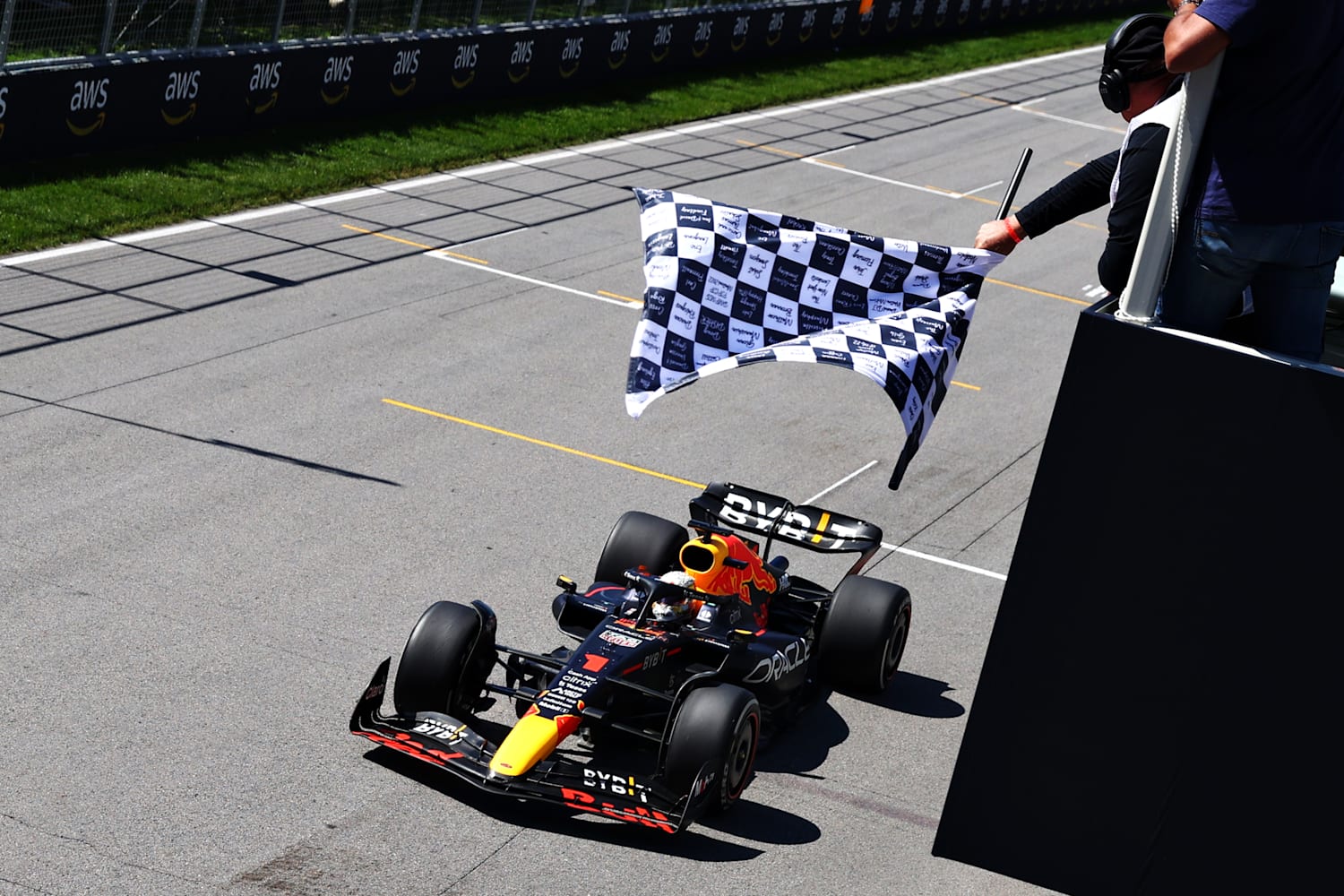
- Chequered Flag – Race finished
Basic F1 Rules
- No dangerous overtaking
- Must respect track limits
- Pit lane speed limits must be followed
- Penalties are given for rule violations
Formula 1 Class Divisions (Road to F1)
Drivers don’t start in Formula 1 immediately. They climb a development ladder.
Junior Categories
- Formula 4 (F4) – Entry-level racing
- Formula 3 (F3) – International junior competition
- Formula 2 (F2) – Final step before F1
- Formula 1 (F1) – Top level of motorsport
Other Development Paths
- F1 Academy (female driver development series)
- Esports / Sim Racing programs supported by teams
Most drivers start in karting before moving up the ranks.
What Happens During an F1 Race Weekend?
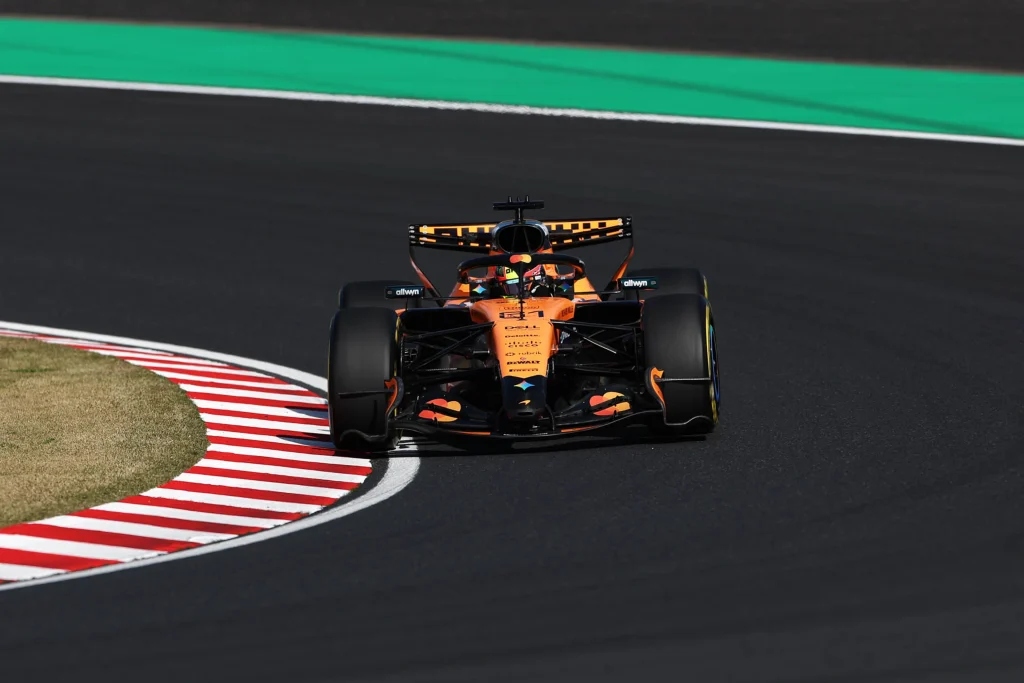
An F1 race weekend is made up of practice, qualifying, and the main race.
Friday – Practice Sessions
- FP1 (Free Practice 1)
- FP2 (Free Practice 2)
Teams test setups and collect data.
Saturday – Final Practice & Qualifying
- FP3 (Free Practice 3)
- Qualifying Session
- Determines starting grid
- Fastest driver earns Pole Position
Sunday – Race Day
- The main event: The Grand Prix
Points System
- 1st: 25 points
- 2nd: 18 points
- 3rd: 15 points
- Down to 10th place scores points
Sprint Weekends (Selected Races)
Some race weekends include a Sprint Race on Saturday, where drivers are able to be offered extra points and also a lot more action for the viewer’s enjoyment before the race day on Sunday.
Final Thoughts
Formula 1 may seem complex at first, but once you understand the teams, rules, flags, and weekend structure, it becomes much easier and more exciting to follow. Every race delivers strategy, speed, and drama that makes F1 one of the most thrilling sports in the world.













Facebook
Instagram
X (Twitter)
YouTube
LinkedIn
RSS