

Understanding the real reasons motorcycles overheat during slow-moving traffic and what riders can do to protect their engines in hot, congested conditions.
Subscribe to our Instagram Channel for instant news & updates!
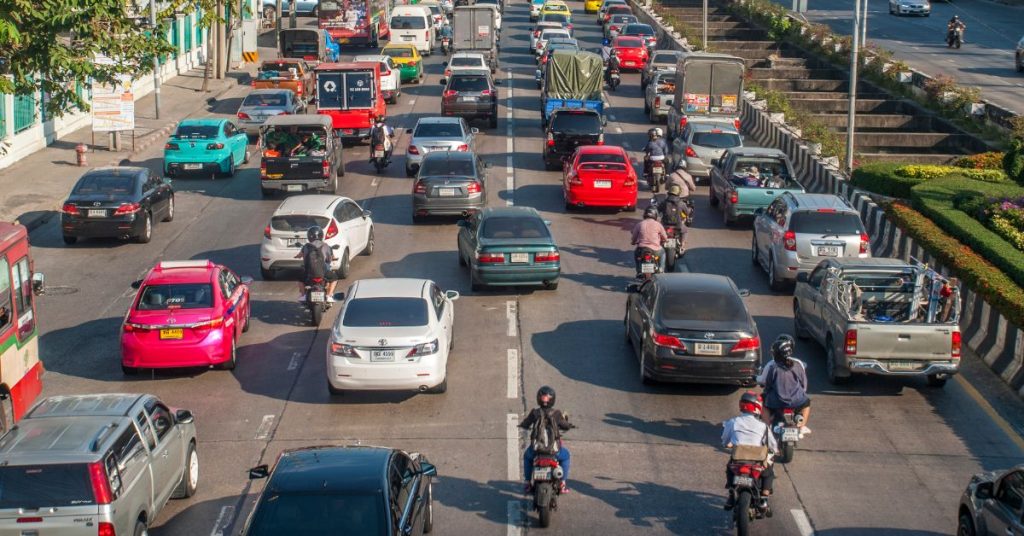
Many riders notice their engine temperature rising quickly when stuck in heavy traffic. While motorcycles are designed to handle heat, prolonged idling and stop-and-go conditions can push the cooling system to its limits.
Overheating in traffic is not just uncomfortable for the rider, it can lead to long-term engine damage if ignored. Understanding why motorcycle engines overheat in traffic helps riders take preventive action before minor heat buildup turns into serious mechanical issues.
Lack of Airflow at Low Speeds
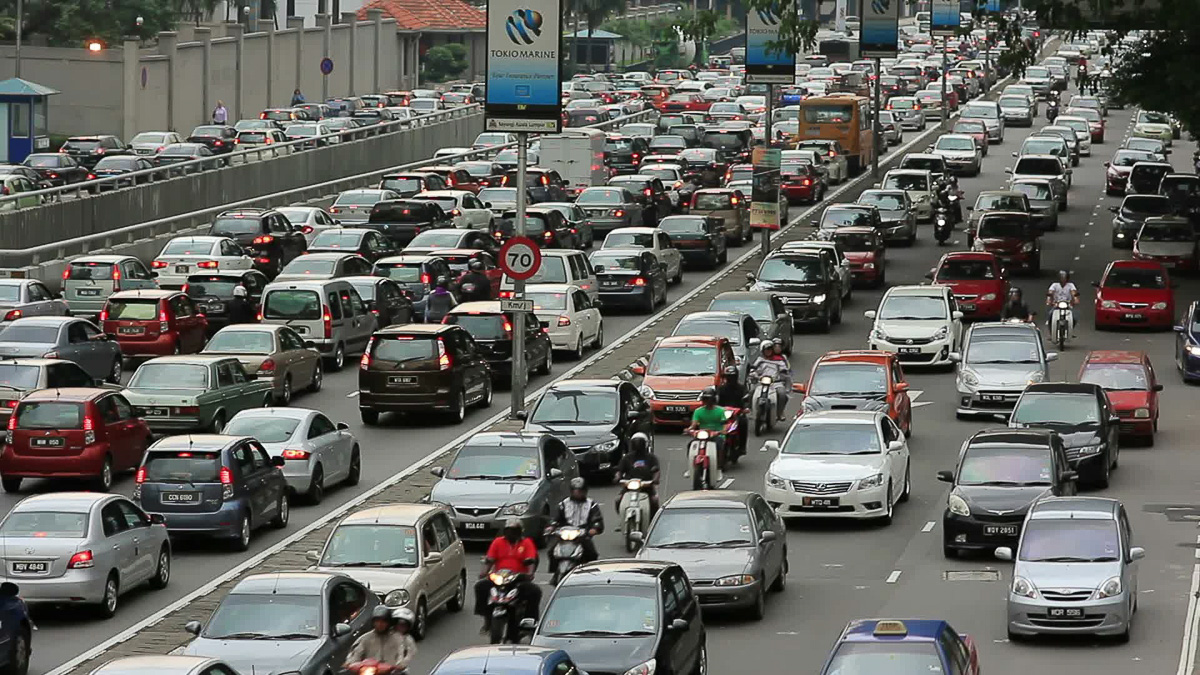
One of the biggest reasons motorcycles overheat in traffic is reduced airflow. Most motorcycles rely heavily on moving air to cool the engine, especially air-cooled and oil-cooled models. When riding at normal speeds, air flows naturally across the engine and radiator, helping regulate temperature. However, in traffic jams or slow-moving city conditions, airflow drops significantly. Without sufficient cooling air, heat builds up quickly, especially on hot days.
Frequent Idling and Stop-Start Riding
Engines generate heat whenever they run, even when stationary. In heavy traffic, riders constantly accelerate, brake, and idle. This repeated stop-and-go pattern prevents the engine from cooling efficiently. Idling for extended periods also reduces oil circulation efficiency, which contributes to higher internal temperatures. Over time, this stresses engine components and may shorten engine lifespan.
Cooling System Limitations
Modern liquid-cooled motorcycles rely on radiators, coolant, and cooling fans. While cooling fans activate automatically when temperatures rise, they are not designed to compensate for extreme conditions indefinitely. If the radiator is dirty, coolant levels are low, or the cooling fan is malfunctioning, overheating becomes more likely. Poor maintenance amplifies the risk, especially in urban environments.
High Ambient Temperatures
In hot climates, the surrounding air is already warm, reducing the engine’s ability to dissipate heat effectively. When external temperatures are high, the cooling system must work harder to regulate internal engine heat. Riding in tropical heat combined with heavy traffic significantly increases overheating risk compared to highway riding.
Lean Fuel Mixtures and Engine Tuning
Some motorcycles run lean fuel mixtures to improve fuel efficiency and meet emissions standards. Lean engines tend to operate at higher temperatures. While this is normal within limits, prolonged traffic exposure can push temperatures closer to the upper threshold. Modified motorcycles with altered exhaust systems or improper tuning may also experience higher operating temperatures.

Signs Your Motorcycle Is Overheating
Riders should monitor temperature gauges or warning lights. A strong burning smell, loss of power, knocking sounds, or coolant overflow are warning signs that should not be ignored. Continuing to ride while overheating can lead to warped components, blown gaskets, or even engine seizure in severe cases.
How to Prevent Overheating in Traffic
Proper maintenance is the first line of defense. Ensuring coolant is topped up, radiators are clean, and cooling fans function correctly makes a significant difference. Avoid unnecessary idling when possible. If traffic is completely stationary for long periods, switching off the engine briefly can reduce heat buildup.
Maintaining smooth throttle control and avoiding aggressive acceleration in traffic also helps manage temperature. Choosing the correct engine oil grade recommended by the manufacturer can further improve heat management.
Conclusion
Motorcycle engines overheat in traffic mainly due to reduced airflow, constant idling, and environmental heat. While occasional temperature increases are normal, consistent overheating signals an underlying issue that should be addressed. By understanding the causes and maintaining the cooling system properly, riders can protect their engines, improve reliability, and ensure smoother rides, even in heavy traffic conditions.

















Facebook
Instagram
X (Twitter)
YouTube
LinkedIn
RSS