

Motorcycles aren’t just vehicles, they’re a lifeline for millions of Malaysians navigating busy city streets. Discover how they influence commuting, traffic, and urban culture.

Subscribe to our Instagram Channel for instant news & updates!
Introduction
In Malaysian cities like Kuala Lumpur, Penang, and Johor Bahru, motorcycles are more than a mode of transport, they are a cultural phenomenon. With heavy traffic, limited parking, and rising living costs, motorcycles have become the go-to solution for daily commuting. But their impact goes beyond convenience, they influence traffic flow, city planning, economic activity, and even urban lifestyle. Understanding the role motorcycles play in Malaysian cities offers insight into how millions of people navigate urban life efficiently.
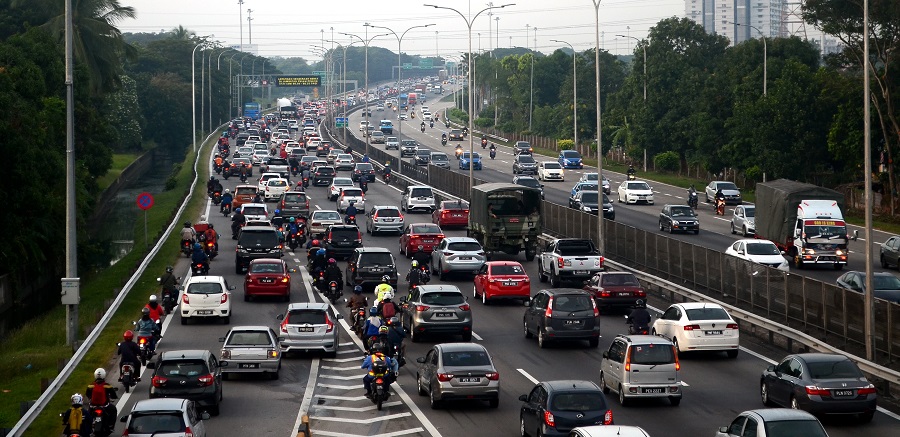
1. Solving the Urban Traffic Puzzle
Motorcycles are incredibly effective in navigating congested streets. Unlike cars, they require less space on the road, which allows riders to move through traffic jams quickly and efficiently. In cities where traffic congestion is a daily headache, motorcycles help maintain a smoother traffic flow, reducing overall commute times for both riders and other road users.
Beyond just convenience, motorcycles affect urban planning. City authorities sometimes consider motorcycles in lane allocation, parking policies, and traffic management strategies because they take up less space and can reduce the problem of road congestion compared to cars. This makes motorcycles not just a personal commuting solution, but a key component of city mobility strategies.
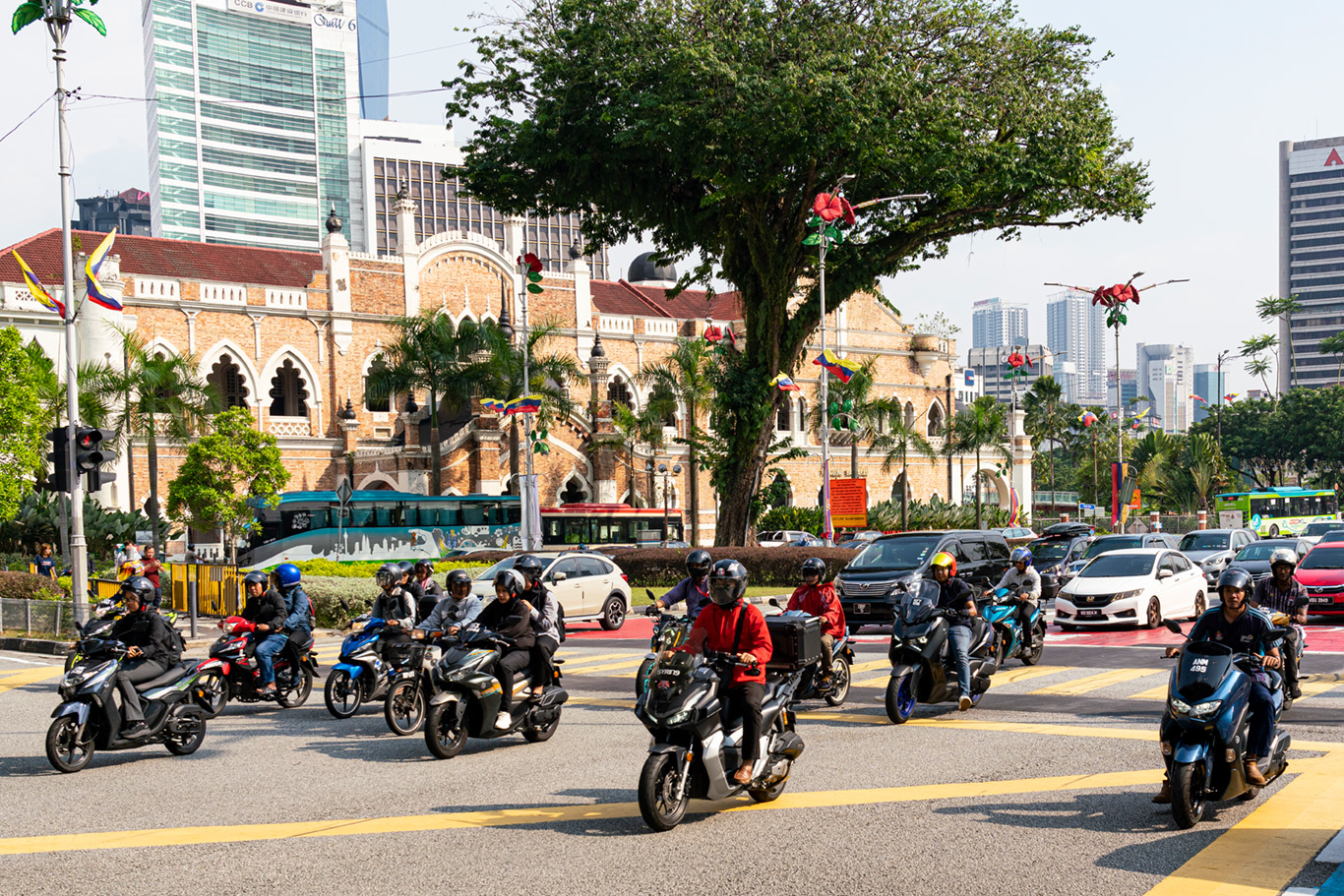
2. Affordable and Efficient Commuting
The high cost of car ownership, combined with rising fuel prices, makes motorcycles an economical alternative. Riders spend significantly less on fuel, toll, parking, and maintenance compared to car owners, which makes motorcycles a practical choice for students, young professionals, and gig economy workers.
Motorcycles also provide time efficiency, especially during peak hours. Riders can bypass heavy traffic, access shortcuts, and reach destinations faster than cars. For urban Malaysians with tight schedules, motorcycles are often the most practical and cost-effective mode of transportation, making them a crucial part of daily life.

3. The Parking Advantage
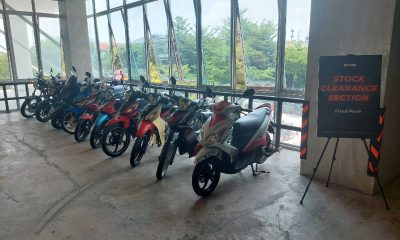
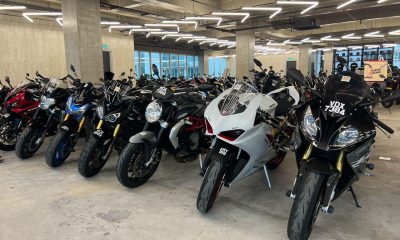
Parking in urban centers is notoriously difficult, especially in commercial districts. Motorcycles, on the other hand, can fit into smaller spaces, often closer to workplaces, shopping centers, or public transport hubs. This proximity saves time and reduces the stress of searching for parking, which is a daily challenge for car owners.
The compact nature of motorcycles also means cities can accommodate more vehicles in limited parking spaces, indirectly reducing traffic caused by vehicles circling for parking. In this way, motorcycles improve urban accessibility and convenience, making them a lifeline for busy city dwellers.
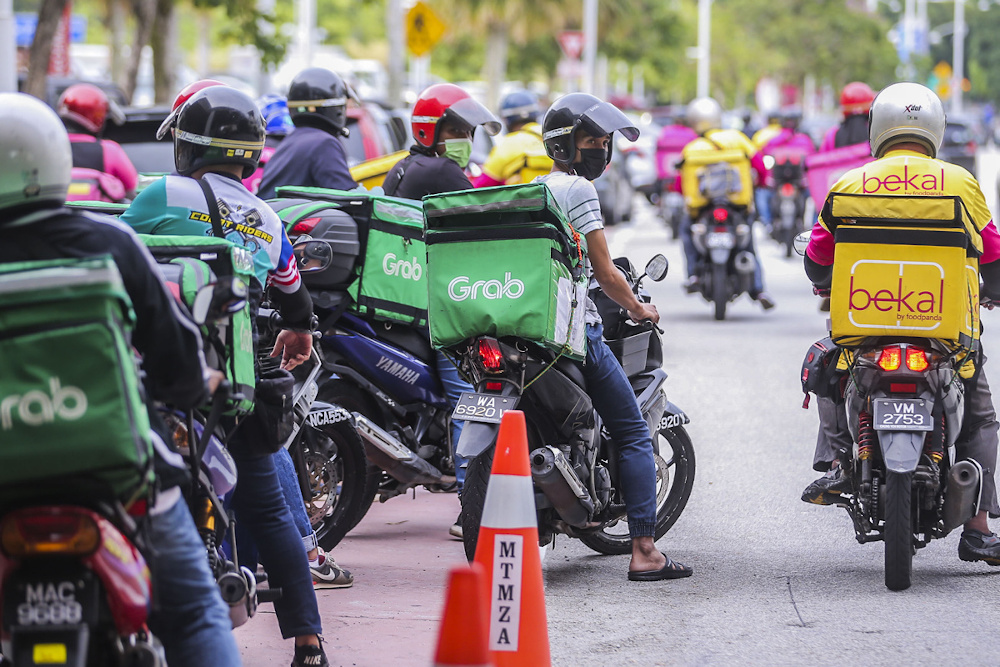
4. Boosting the Urban Economy
Motorcycles play a critical role in Malaysia’s urban economy. They are the backbone of delivery services, courier operations, and gig economy platforms, ensuring that food, parcels, and essential goods reach customers quickly and efficiently. Without motorcycles, urban logistics would slow down, and service providers would face increased operational challenges.
Additionally, motorcycles support small businesses by providing affordable, flexible transportation for employees, deliveries, and errands. Their impact on the economy extends beyond convenience, they enable millions of urban Malaysians to earn a living and sustain businesses.

5. Shaping Urban Culture
Motorcycles are deeply embedded in Malaysian urban culture. They influence fashion trends, social interactions, and recreational activities. Motorcycle clubs, weekend rides, street events, and community meetups show that motorcycles are more than just a tool for commuting, they are a symbol of identity and lifestyle.
Riders often develop a sense of community, sharing knowledge about bikes, maintenance, and riding tips. Motorcycles also inspire creative expressions through modifications, gear, and accessories. In this sense, motorcycles shape both the social and cultural fabric of urban life, connecting people and defining city subcultures.
Conclusion
Motorcycles are more than convenient vehicles, they are an essential part of urban life in Malaysian cities. From reducing traffic congestion and enabling efficient commuting to supporting the economy and shaping urban culture, motorcycles have a profound impact on the way people live, work, and interact in cities. Understanding this influence helps us appreciate why motorcycles are not just a means of transport, but a lifeline for millions of Malaysians navigating modern urban life.













Facebook
Instagram
X (Twitter)
YouTube
LinkedIn
RSS