

Understanding a Key Safety Feature Before Buying a Motorcycle.
Subscribe to our Instagram Channel for instant news & updates!
When shopping for a motorcycle, especially a used one, you may notice that some models come with ABS while others do not. This small detail often raises a big question for riders, particularly beginners. Is ABS really necessary, or is a non-ABS motorcycle good enough for daily riding?
Understanding the difference between ABS and non-ABS motorcycles can help you make a smarter and safer decision. In this article, we explain how both systems work, their real-world differences, and which option may suit your riding needs better.
What Is ABS on a Motorcycle?
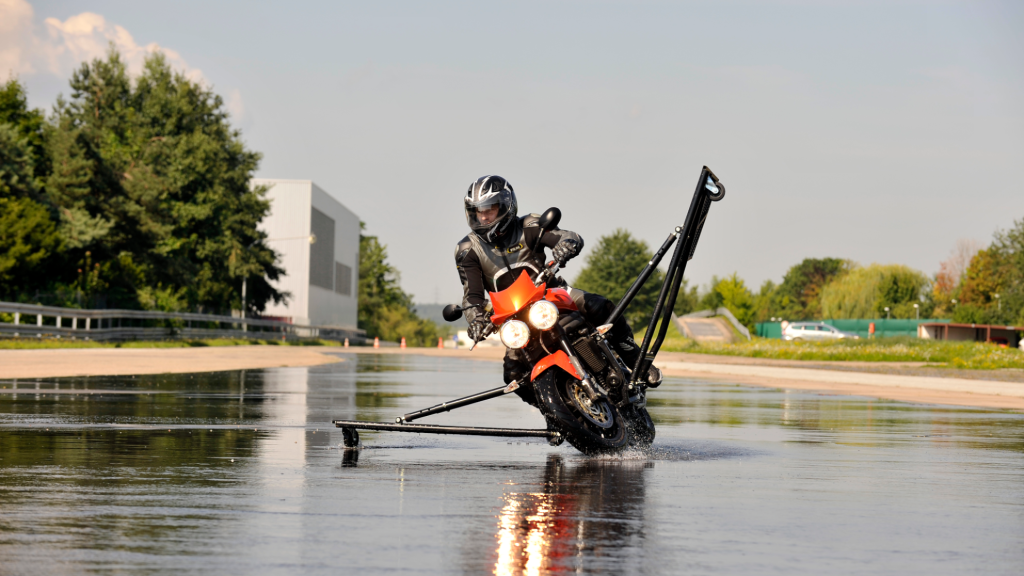
ABS stands for Anti-lock Braking System. It is a safety feature that is designed to prevent the wheels from locking up during sudden or hard braking. When a wheel locks, the motorcycle can skid and lose stability, especially on wet or slippery roads. This poses as a big risk to the safety of the rider.
On an ABS-equipped motorcycle, sensors monitor wheel speed. If the system detects that a wheel is about to lock, it automatically releases and reapplies brake pressure within milliseconds. This allows the rider to maintain better control while braking, even in emergency situations.
How Does a Non-ABS Motorcycle Work?
A non-ABS motorcycle relies entirely on the rider’s braking skill. When braking hard, especially in panic situations, it is possible for the wheels to lock if too much brake pressure is applied. Once this happens, the motorcycle may skid and become difficult to control.
Experienced riders can manage braking on non-ABS motorcycles with proper technique. However, in real-world traffic conditions where sudden stops are common, avoiding wheel lock-up can be challenging, especially for new riders.
The Difference in Real Riding Conditions
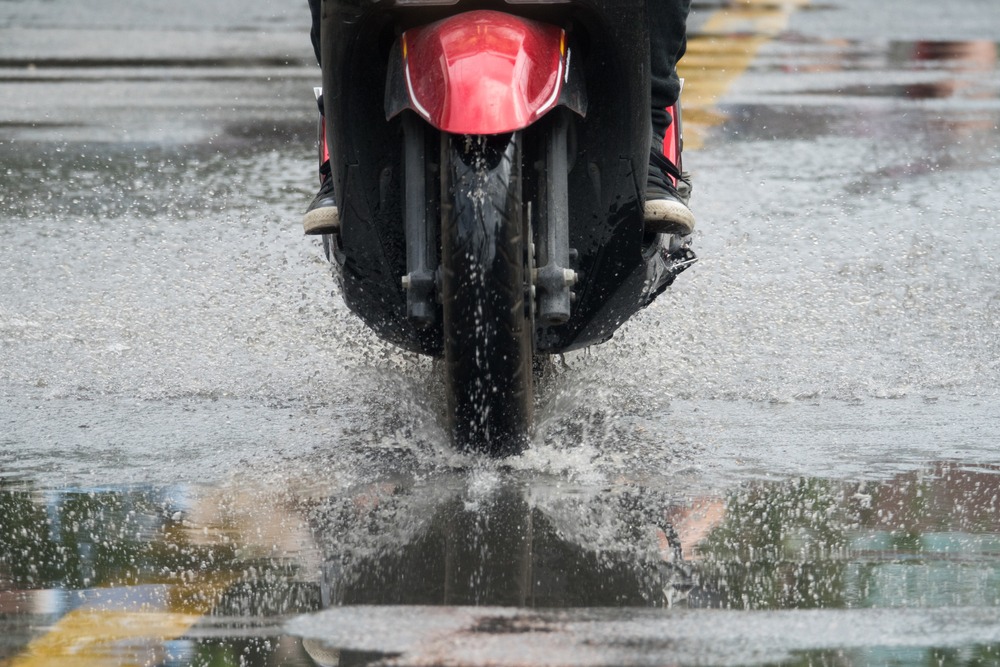
The biggest difference between ABS and non-ABS motorcycles becomes clear during emergency braking. ABS helps keep the motorcycle stable and reduces the chances of losing control when braking suddenly. This is particularly useful on wet roads, uneven surfaces, or when encountering unexpected obstacles.
On non-ABS motorcycles, riders must carefully modulate the brakes to avoid locking the wheels. While this offers a more direct braking feel, it also requires better control and experience. In stressful situations, mistakes can happen easily which leads to costly consequences.
Is ABS Better for Daily Riding?
For daily commuting, ABS offers an added layer of safety. City riding often involves unpredictable traffic, sudden stops, and slippery road conditions during rain. In these situations, ABS can help reduce the risk of accidents caused by braking errors.
That said, non-ABS motorcycles are still widely used and can be perfectly safe when ridden responsibly. Many riders prefer them for their simplicity, lower maintenance costs, and more affordable price, especially in the used motorcycle market.
Cost, Maintenance, and Availability
Motorcycles equipped with ABS usually cost more than non-ABS models, whether new or used. Maintenance costs can also be slightly higher due to the additional components involved in the braking system.
However, ABS has become increasingly common, even on smaller-capacity motorcycles. A lot of countries have now mandated for newly released motorcycles to have ABS equipped on the motorcycle as standard. This means buyers now have more affordable ABS-equipped options compared to back in the day when ABS is only offered on premium motorcycles.
Which One Should You Choose?
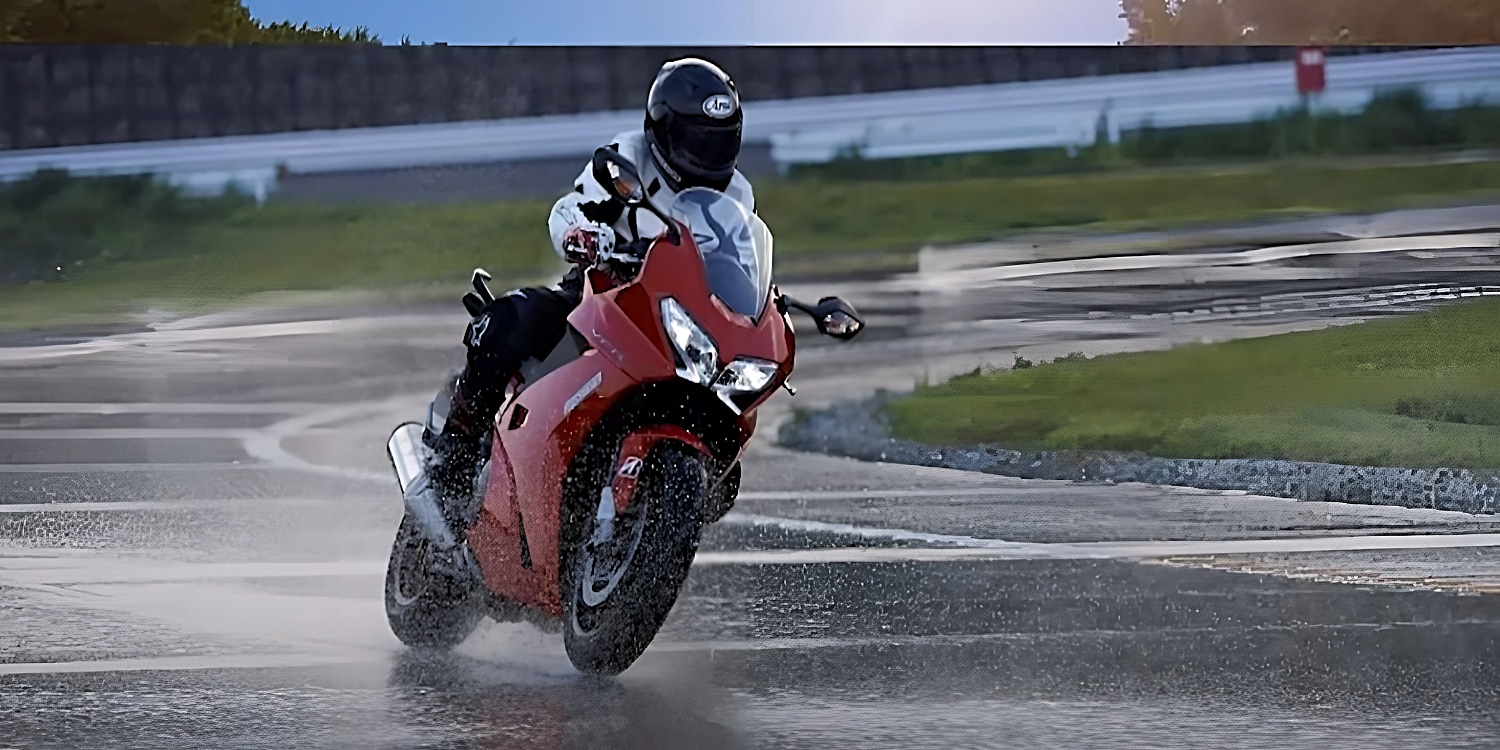
If you are a beginner rider or use your motorcycle daily in traffic, an ABS-equipped motorcycle is generally the safer choice. It provides extra confidence and helps reduce the risk of braking-related accidents.
For experienced riders who are comfortable with proper braking techniques, a non-ABS motorcycle can still be a practical and enjoyable option. Also if you often go for track days, experienced riders would opt for a non-ABS motorcycle because it provides a much better braking feel. The key is understanding your riding style, experience level, and daily usage.
Conclusion
The difference between ABS and non-ABS motorcycles lies mainly in safety and control during braking. ABS helps to prevent the wheel from locking up and improves stability, especially in emergency situations. Non-ABS motorcycles, while simpler and often more affordable, rely heavily on rider skill.
Choosing between ABS and non-ABS ultimately depends on your experience, riding environment, and budget. Understanding how both systems work will help you make a more informed decision when buying your next motorcycle.














Facebook
Instagram
X (Twitter)
YouTube
LinkedIn
RSS